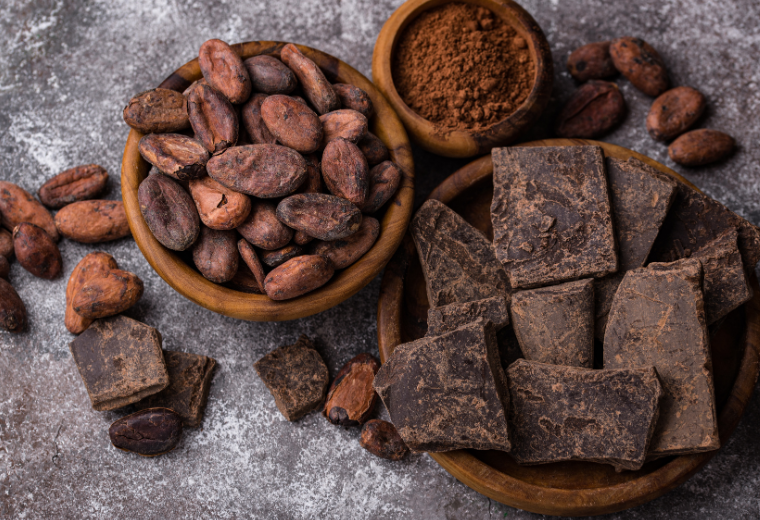
Cocoa, the essential ingredient in chocolate, has always been a valuable commodity. In 2024, cocoa futures markets have reached unprecedented highs, reflecting a combination of supply chain challenges, speculative trading, and evolving market dynamics. This article delves into the mechanics of cocoa futures, their significance, and their far-reaching impacts on producers, traders, and consumers.
What Are Cocoa Futures?
Cocoa futures are financial contracts that enable buyers and sellers to agree on the price of cocoa beans for delivery on a predetermined future date. These instruments are distinct from physical cocoa beans harvested from the cacao tree, primarily grown in West Africa (Ghana and Ivory Coast) and Latin America.
While cocoa beans are central to chocolate manufacturing, cocoa futures are crucial for managing price risks and maintaining market stability. Companies like Cargill, Olam, and Barry Callebaut, major players in the cocoa trade, use futures markets to hedge against price volatility. By locking in prices through futures contracts, these companies ensure operational continuity despite fluctuations in global cocoa prices.



How Do Cocoa Futures Work?

Futures markets allow traders and investors to speculate on the future price of cocoa. A trader might take a “long” position, purchasing futures with the expectation of a price increase, enabling them to profit when prices rise. Conversely, they may take a “short” position, selling futures contracts in anticipation of a price drop. This strategy is often used to mitigate risks associated with adverse price movements.
In addition to speculators, futures markets are integral for buyers of physical commodities. For cocoa, these buyers include trading houses, food manufacturers, and chocolate producers. Futures prices help these entities stabilise their operations by providing a benchmark for negotiating prices in the physical market. Ultimately, the prices established in futures markets trickle down the supply chain, influencing the incomes of cocoa farmers and the retail cost of chocolate.
The Role of Speculators
Speculators, particularly hedge funds, play a significant role in cocoa futures markets. Unlike traditional traders who engage in the physical exchange of goods, speculators focus solely on financial gains. These entities rely on sophisticated tools, such as weather data and market algorithms, to predict price movements and place strategic bets.
However, speculative activity has its drawbacks. In 2024, hedge funds began withdrawing from cocoa futures markets amid heightened price volatility and reduced liquidity. This withdrawal exacerbated market fluctuations, compounding the challenges faced by producers and traders alike. Reduced speculative activity also impacts market liquidity, which is essential for smooth trading operations.
A Challenging Year for Cocoa
The 2023/24 cocoa growing season has been one of the most tumultuous in recent memory. Adverse weather conditions and widespread disease outbreaks have severely impacted cocoa production in Ghana and Ivory Coast, the world’s largest producers. These nations, which collectively supply over 60% of global cocoa, have also faced systemic challenges such as illegal gold mining, smuggling, and rising production costs.
The result has been a historic reduction in cocoa supplies, pushing futures prices to record highs. New York cocoa futures recently reached unprecedented levels, a reflection of both supply shortages and the speculative dynamics of the market. Ghana’s delayed bean deliveries, resulting from a poor harvest, have further strained the global cocoa supply chain, amplifying price pressures.
Broader Implications for the Industry
The implications of soaring cocoa futures prices are far-reaching. For cocoa-producing nations like Ghana and Ivory Coast, higher prices could translate into increased revenues. However, these potential gains are tempered by the logistical and production challenges that continue to plague the industry. Farmers, often at the bottom of the supply chain, may not see proportional benefits due to entrenched inequalities in profit distribution.
For chocolate manufacturers and consumers, the rise in cocoa futures prices signals higher production costs and, consequently, more expensive chocolate products. The interconnected nature of global markets ensures that these price fluctuations are felt across the world, from small-scale farmers in Africa to consumers in Europe and beyond.
Cocoa futures markets are a complex yet essential component of the global cocoa industry. While they provide mechanisms for managing price risks and stabilising markets, they also reflect and amplify the challenges within the supply chain. As the world grapples with record-high cocoa prices in 2024, the interplay between supply constraints, speculative trading, and market volatility continues to shape the future of this indispensable commodity.