Senegal will have to wait until at least June 2025 for any decision regarding its International Monetary Fund (IMF) lending programme, according to sources close to the process. The delay in resolving Senegal’s $1.9 billion programme comes after a government audit last year revealed significant misreporting of debt and deficit data by the previous administration.
The IMF lending arrangement, originally agreed in June 2023, has been suspended since an audit revealed that Senegal’s public debt and fiscal deficit figures were larger than previously disclosed. This discrepancy led to increased yields on the country’s international bonds and downgraded credit ratings, creating further fiscal challenges for the government of President Bassirou Diomaye Faye.
Senegal’s government has formally requested a new programme, but any progress will be contingent on the IMF’s assessment of the audit, which is set to be certified by the national court of auditors by mid-December. Following certification, the IMF’s executive board is expected to undertake a review, a process projected to take up to six months.



The finance ministry has yet to comment on the prospective delay, which will add strain to an already stretched fiscal framework. With rising public debt—averaging 76.3% of GDP, up from the previously reported 65.9%—and a 2023 budget deficit exceeding 10%, the country’s economic outlook has become increasingly challenging. Last month, Senegal reopened a $300 million international bond issuance to bolster its finances.
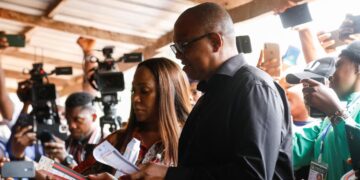
President Faye, who assumed office with the backing of youth voters dissatisfied with the prior government’s policies, has called a snap legislative election to secure parliamentary support for his economic reforms. His Pastef party is seeking a majority in the 165-seat National Assembly to pass key reforms aimed at stabilising Senegal’s economy.
Historical Context and Investor Concerns

Senegal is not the first country in recent history to encounter issues with the IMF due to data misreporting. Similar situations have previously led to the IMF suspending disbursements, as in the case of Mozambique in 2016. Market reaction to Senegal’s audit findings has been swift, with yields on its 2048 bond rising above 10% for the first time since August.
As Senegal awaits the IMF’s final decision, the global financial community remains cautious. The IMF board will be considering various remedies for the misreporting, including potential reimbursements for funds disbursed based on inaccurate data.