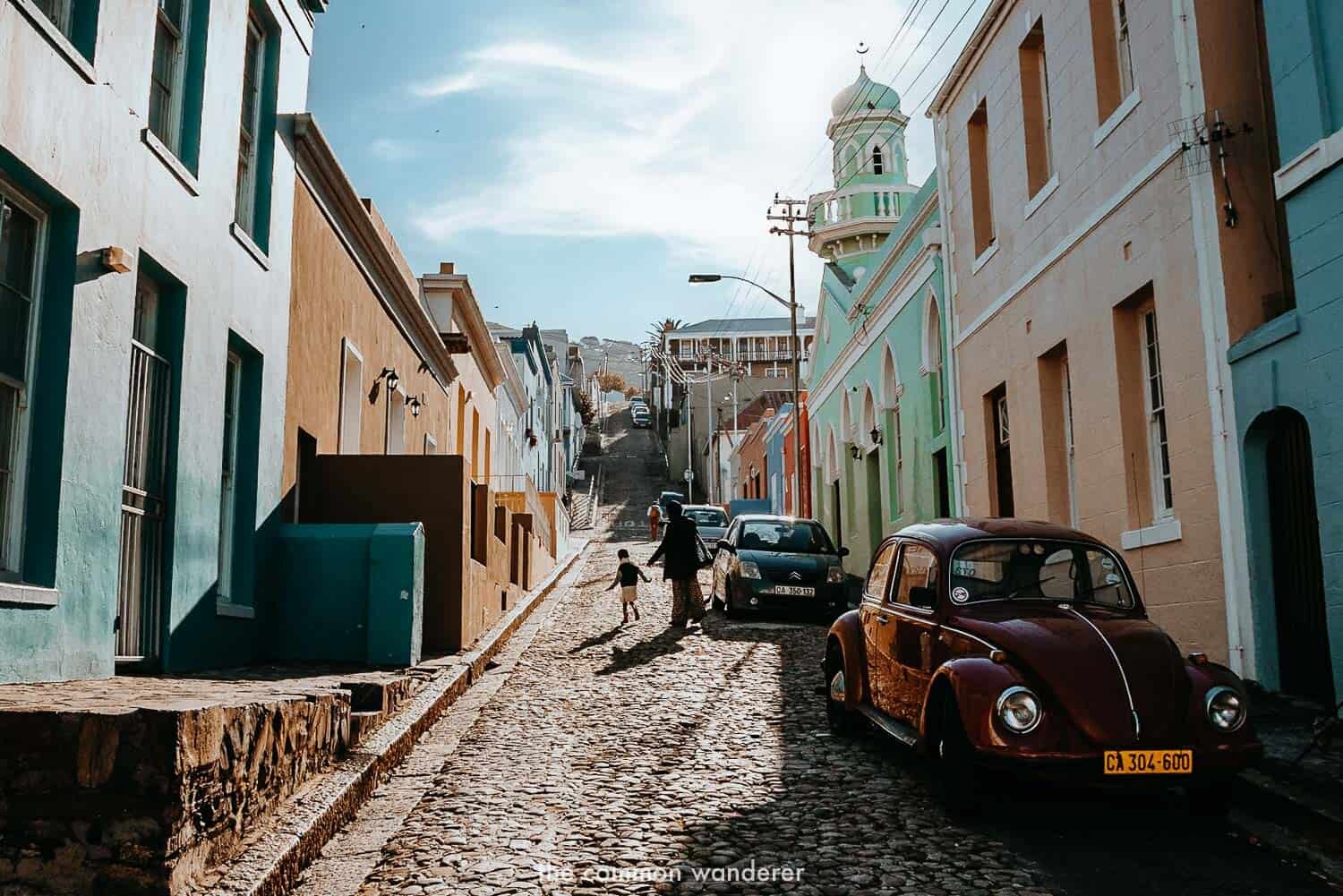
Africa is often viewed through a prism of misconceptions and stereotypes, yet these myths are rarely aligned with the continent’s complex realities. In recent decades, Africa has emerged as a significant player in global economics, culture, and innovation. Here, we examine ten persistent myths about Africa, providing a fact-based look to paint a fuller picture.
1. Myth: Africa is a Country
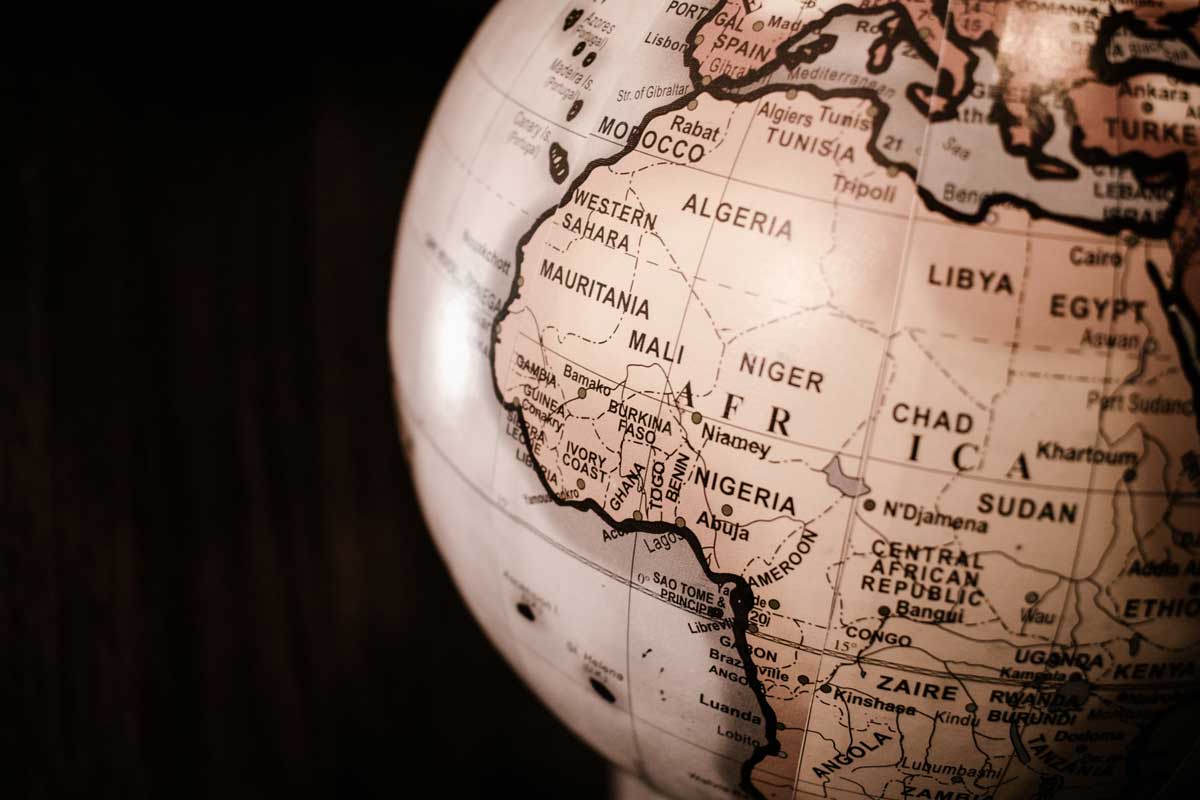



Reality: Africa is a diverse continent comprising 54 countries, each with its own unique culture, government, and economy. This misconception flattens a continent rich in ethnic, linguistic, and political diversity. For instance, Nigeria alone has over 250 ethnic groups, while Mauritius exemplifies a multicultural heritage that blends African, Indian, and French influences. Reducing this complexity to a single entity obscures the vibrant individuality of each nation.
2. Myth: Africa is Overwhelmingly Poor and Underdeveloped
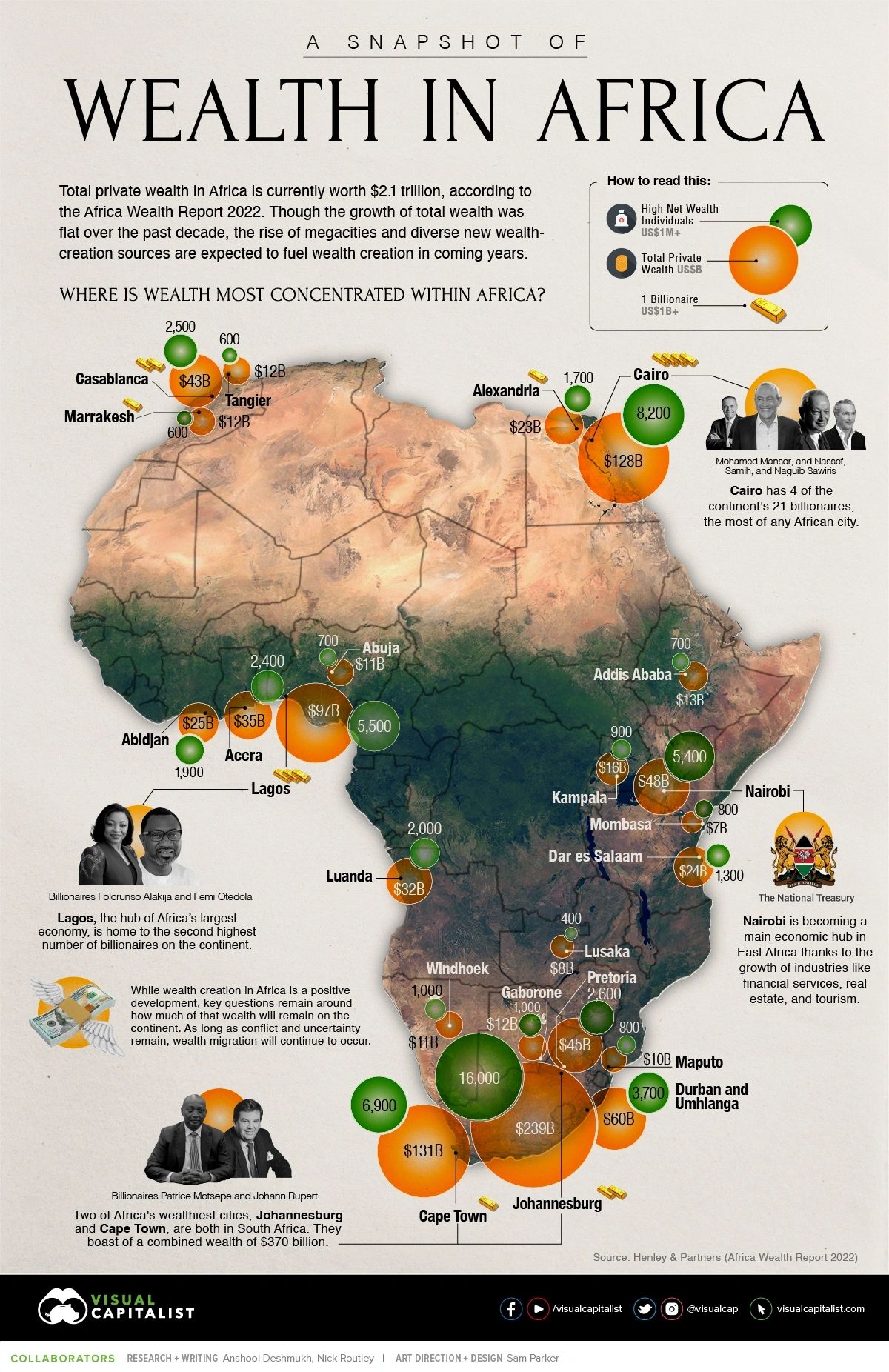
Reality: While some African countries face economic challenges, Africa is also home to several of the world’s fastest-growing economies. Nations like Rwanda, Ethiopia, and Ghana have posted impressive GDP growth, with sectors such as telecommunications, finance, and renewable energy on the rise. South Africa’s economy is among the most advanced on the continent, and Nigeria’s Nollywood film industry is the world’s second largest by volume. A burgeoning middle class is reshaping consumer markets, challenging outdated perceptions of poverty and underdevelopment.
3. Myth: Africa is Constantly in Conflict
Reality: Although parts of Africa have experienced conflict, the continent as a whole is not perpetually at war. Most African countries enjoy peace and stability. Ghana, Botswana, and Namibia, for example, have experienced long periods of political stability. Rwanda, once defined by its tragic genocide, is now one of Africa’s most stable and fastest-growing nations, with peacebuilding and economic growth at its core.
4. Myth: All African Governments are Corrupt
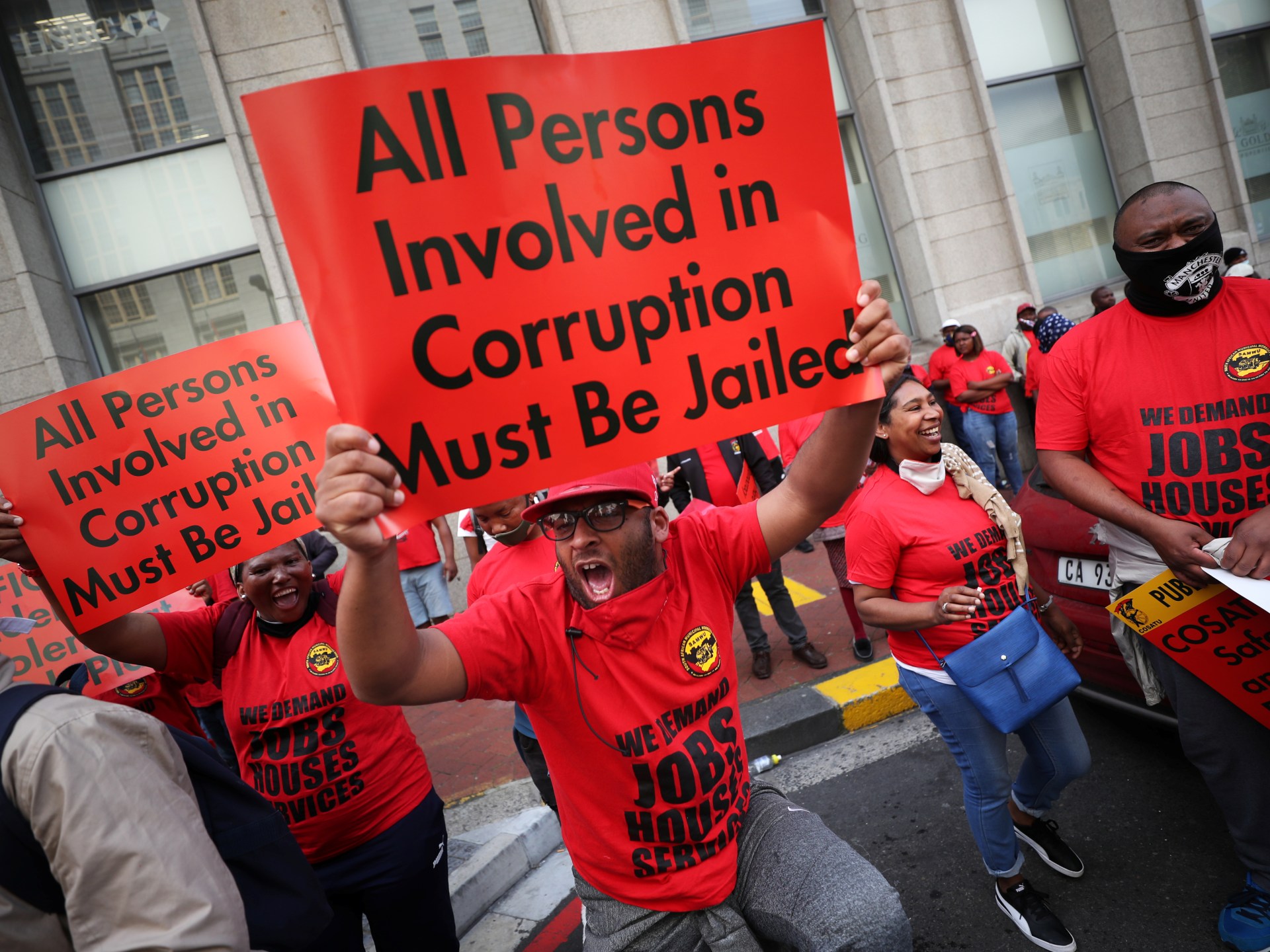
Reality: While corruption exists, as it does globally, it is by no means universal across Africa. Many African nations have implemented transparent governance practices. Botswana is frequently cited for its low levels of corruption, while nations such as Cape Verde and Seychelles perform well on global transparency indexes. Organisations like the African Union are actively addressing corruption, underscoring the commitment to improve governance continent-wide.

5. Myth: Africans Live in Primitive Conditions

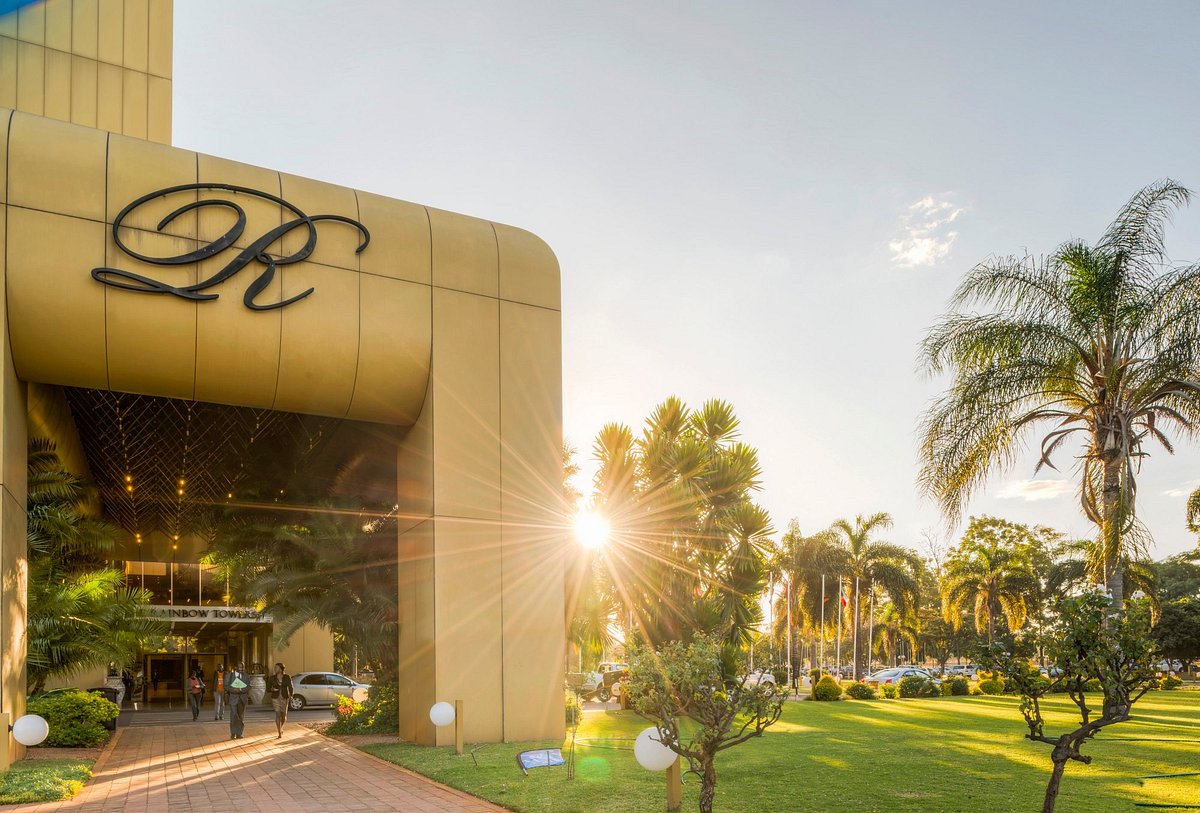
Reality: Rapid urbanisation has transformed many African cities into economic and technological hubs. Cities like Nairobi, Lagos, and Johannesburg boast modern infrastructure, technology parks, and world-class universities. Nairobi’s “Silicon Savannah” is a burgeoning tech hub, while Cape Town’s creative and digital sectors draw international talent. Luxurious resorts, cutting-edge architecture, and modern amenities further counter outdated stereotypes about living conditions.
6. Myth: Africa’s Wildlife is Constantly at Risk
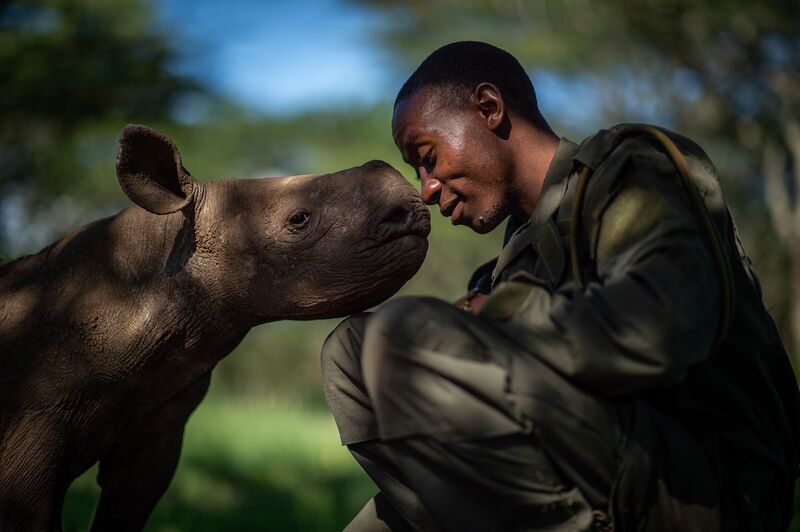
Reality: While Africa’s wildlife faces challenges, conservation efforts are robust and often successful. Countries like Kenya, Namibia, and Botswana have implemented effective policies and sustainable tourism models to protect their wildlife. Kenya’s elephant population, for example, increased by 12% in the last decade due to rigorous anti-poaching laws and community conservation programmes. Such successes demonstrate Africa’s leadership in conservation, challenging narratives of unchecked environmental degradation.
7. Myth: Africa is Technologically Backward

Reality: Africa has become a leader in innovation, particularly in mobile banking and telecommunications. Kenya’s M-Pesa mobile money platform revolutionised banking for millions, and Nigeria’s tech start-up scene now attracts substantial international investment. Africa’s youth-led tech boom is redefining the continent’s future and debunking outdated perceptions of technological lag.
8. Myth: All Africans Share the Same Ethnic and Cultural Background
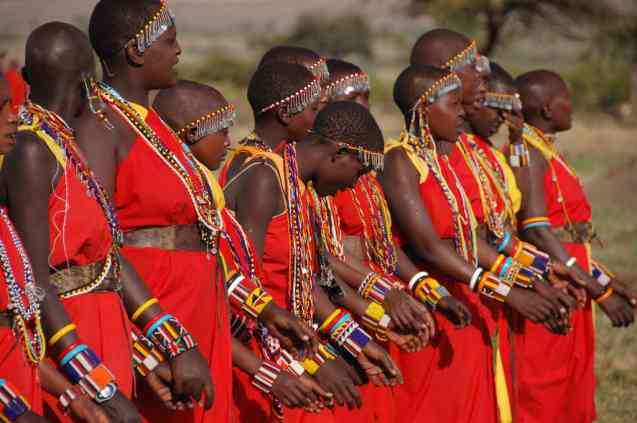
Reality: Africa is home to over 3,000 ethnic groups and 2,000 languages, with cultures varying widely across the continent. From the Zulu in Southern Africa to the Berbers in North Africa, Africa’s ethnic diversity is among the richest in the world. Nigeria, for example, has over 500 languages spoken within its borders. This cultural plurality is intrinsic to Africa, challenging simplistic views of identity.

9. Myth: Africa is a Hot, Arid Desert

Reality: Although deserts like the Sahara are iconic, Africa’s geography is incredibly diverse, with rainforests, savannahs, highlands, and coastal regions. The Congo Basin is one of the world’s largest rainforests, and Mount Kilimanjaro rises from the savannah in Tanzania, crowned with snow. Africa spans multiple climate zones, from tropical rainforests to Mediterranean regions, offering a variety of ecosystems beyond the desert landscape.
10. Myth: Africa Depends on Foreign Aid
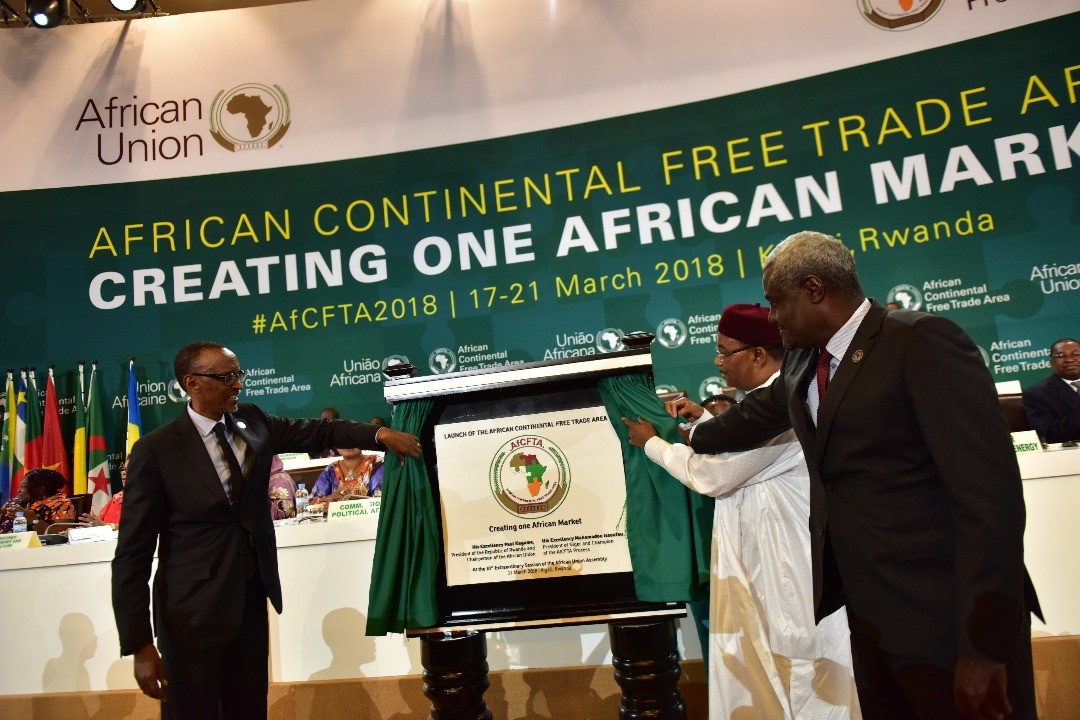 Reality: Africa’s relationship with foreign aid is evolving, with many countries focusing on economic independence and regional trade. Rwanda, for example, has significantly reduced its reliance on foreign aid by fostering innovation, investment, and efficient resource management. The African Continental Free Trade Area (AfCFTA) is set to create the world’s largest free trade zone by number of countries, boosting intra-African trade and promoting economic self-reliance. Growing entrepreneurship and investment initiatives further counter the notion of aid dependency.
A New Lens for Viewing Africa
These myths paint an outdated picture of Africa that fails to capture its progress, diversity, and potential. As the continent continues to redefine itself, a fact-based understanding is essential for an accurate and respectful global perception. Africa is not merely a region to be categorised but a complex tapestry of people, cultures, landscapes, and ideas, each contributing to a dynamic continent that deserves to be understood on its own terms.