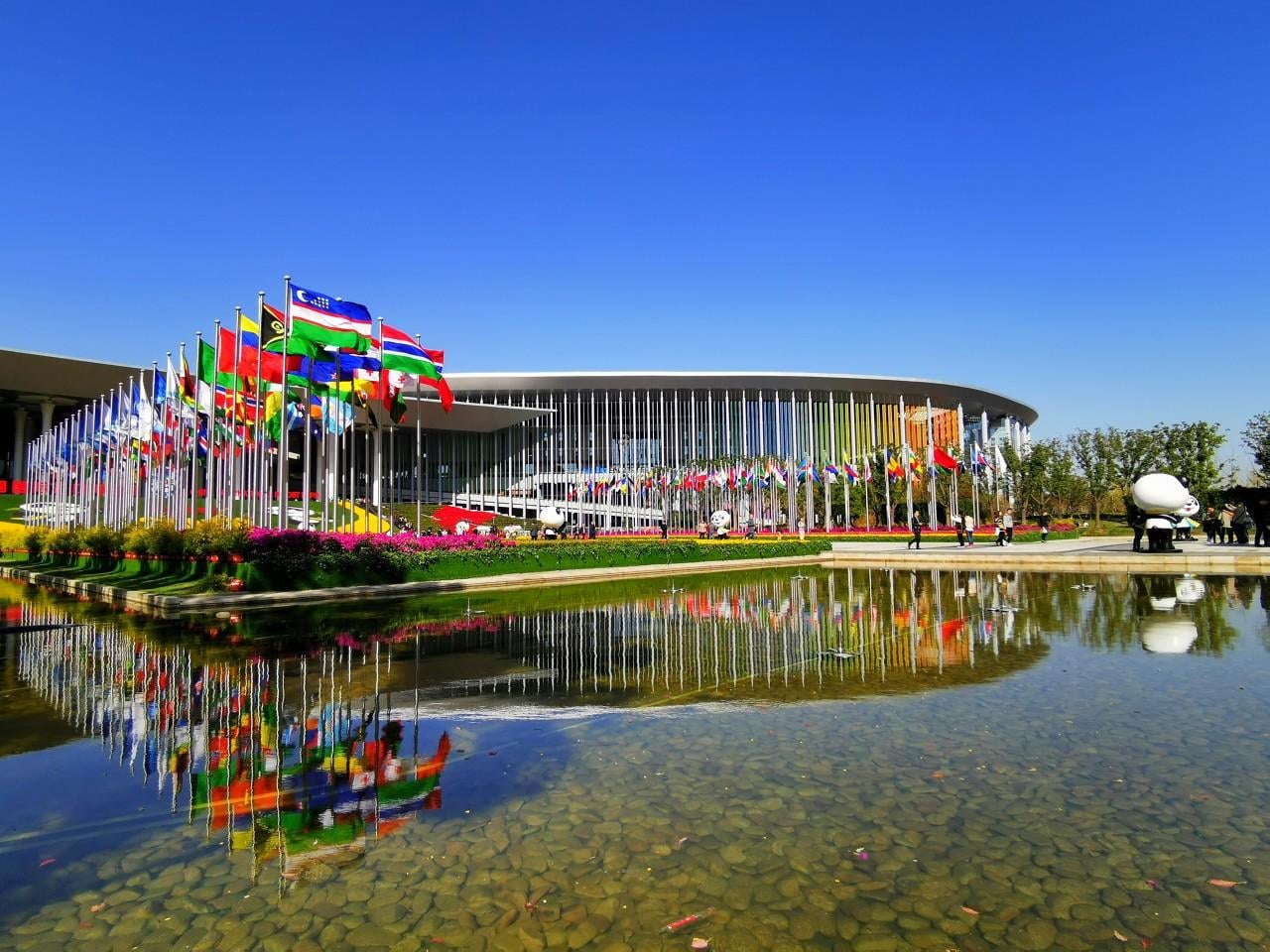
The China International Import Expo (CIIE) has emerged as a key trading platform for African enterprises aiming to access the Chinese market and showcase their products on an international stage. As the seventh CIIE prepares to open in Shanghai from Tuesday, experts emphasise its role in strengthening economic ties and fostering trade between Africa and China.
“China has an important and attractive market, and the CIIE is incredibly big and diverse,” noted Philip Myburgh, group head of trade at Standard Bank Business and Commercial Banking, in an interview with SAT. “It’s a wonderful opportunity for African businesses to tap into the Chinese market and understand what’s happening in the global market.”
Myburgh observed that African markets, which sometimes receive limited attention at global forums, are gaining increased prominence at the CIIE. The Africa Pavilion, which highlights a wide range of “Made-in-Africa” products, is expected to draw notable interest from international buyers. “We are certainly getting a stronger presence at the CIIE, with the Africa Pavilion bringing all made-in-Africa products together,” he added, citing a welcome shift towards greater inclusivity.



Standard Bank, which has participated in the CIIE since its inception, has taken proactive steps to foster trade links between African businesses and China. Myburgh expressed optimism regarding this year’s event, anticipating increased transactions, new partnerships, and a rising demand for African products.
The strengthening trade relations between Africa and China reflect the commitments made at the recent Forum on China-Africa Cooperation (FOCAC) held in Beijing. China has pledged to open its market further to African agricultural products, with specific protocols signed for South African dairy products and greasy wool. Myburgh highlighted that the CIIE serves as a practical extension of FOCAC’s policy commitments, bringing these agreements closer to economic reality.
China’s high-level opening-up strategy is seen by African stakeholders as a supportive factor for economic recovery across the continent, with potential gains in foreign exchange driven by a robust export market to China. As a major consumer of African raw materials and agricultural goods, China’s import policies play an important role in aiding Africa’s growth and economic diversification.

Beyond trade, Myburgh pointed to the opportunities for knowledge exchange, especially in sectors critical to sustainable development. “Africa could benefit from China’s advancements in renewable energy and water-saving technologies,” he said, emphasising that the CIIE provides a valuable venue for African countries to explore collaboration with international stakeholders on these fronts.
In an increasingly interconnected global economy, the CIIE stands out as a vital platform not only for trade transactions but for the exchange of technological expertise, offering African nations a means to strengthen their industrialisation efforts while promoting sustainable growth.