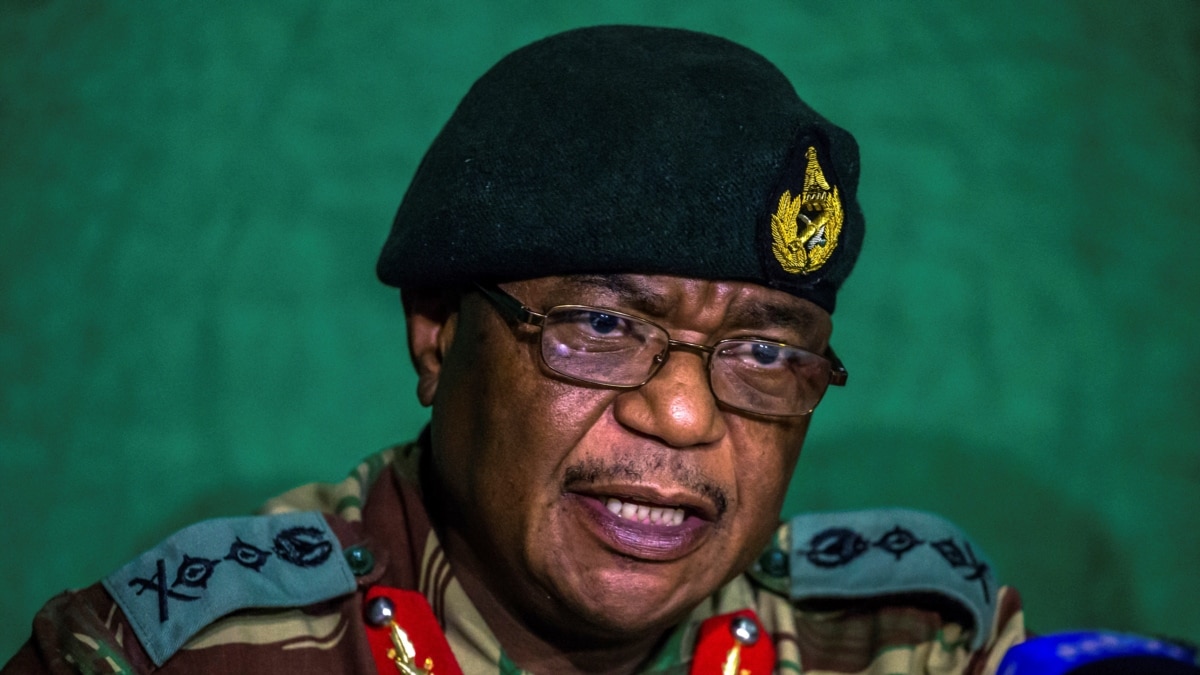
As Zimbabwe faces complex political, economic, and social challenges, some voices are calling for a shift in the country’s leadership style, suggesting it may be time to look beyond traditional, civilian-led governance. This viewpoint raises the question of whether Zimbabwe might benefit from the disciplined approach often associated with military leadership. Among potential leaders, Vice President Constantino Chiwenga, a retired military general with years of command experience, stands out as a figure who could reshape Zimbabwe’s leadership with an emphasis on discipline, structure, and efficiency.
The Case for Military-Style Leadership in Civil Government
Proponents of Chiwenga’s leadership cite his extensive experience in military command, emphasizing decisive action, strategic planning, and organizational discipline. They argue that these qualities are essential for addressing Zimbabwe’s persistent challenges, including a struggling economy, public sector inefficiency, pervasive corruption, and political discord. Military leadership is rooted in principles such as accountability, discipline, and structure—all of which may be valuable in steering Zimbabwe towards greater stability.
Military training fosters expertise in resource management, crisis response, and a no-nonsense approach to organizational challenges. With Zimbabwe facing economic uncertainty, rampant inflation, and social unrest, some believe Chiwenga’s skills might help transform government institutions into efficient, results-oriented entities. His military background may also equip him with the authority to address corruption more decisively, free from partisan loyalty and personal interest.



Examining Military Influence in Global Leadership
Globally, leaders with military backgrounds have often brought transformative styles to governance. For instance, many U.S. presidents and members of Congress have had military experience, which some argue strengthens national security and strategic decision-making. In Africa, leaders like Rwanda’s Paul Kagame, Egypt’s Abdel Fattah El-Sisi, and Ethiopia’s Abiy Ahmed have used their military backgrounds to guide national development and enhance security.
Kagame’s leadership in Rwanda, for example, has brought a top-down, disciplined approach that has promoted economic growth and stability in a region often plagued by conflict. Similarly, El-Sisi has applied military-style leadership to improve infrastructure and security in Egypt, bringing relative stability to a country once marked by revolutionary turbulence. These examples suggest that a disciplined, command-oriented approach, when balanced with a commitment to civilian welfare, can effectively address a nation’s pressing issues.

The Concerns: Balancing Discipline with Civil Liberties
The prospect of military leadership in Zimbabwe is not without concern. Critics point to Zimbabwe’s own history of military involvement in civil matters, particularly in elections and public demonstrations. While proponents believe military discipline could curb corruption and enhance efficiency, it must be implemented alongside strong protections for civil liberties, democratic freedoms, and public accountability.
Critics worry that increased military influence could lead to governance that suppresses dissent or overrides democratic processes in the name of efficiency. Military leadership relies on order and obedience, which, if unchecked, could undermine open discourse and individual rights. For military leadership to succeed in a civil context, leaders must remain sensitive to the diverse needs and rights of citizens.
Military Principles in Modern Management
Interestingly, modern management practices—up to 80%, by some estimates—originate from military principles. Strategic planning, hierarchical organization, and resource management, common in corporate governance, all draw from military practices. Leaders in both military and corporate sectors face similar challenges, such as coordinating complex systems, managing human resources, and maintaining efficiency. Thus, a leader like Chiwenga could theoretically introduce these tested methods into the public sector, promoting accountability, measurable results, and strategic planning, which Zimbabwe urgently needs.
However, there are significant differences between managing a military organization and leading a nation. Military institutions emphasize unity and obedience, whereas civil governance requires accommodating a variety of perspectives, stakeholders, and interests. Leaders like Kagame have successfully adapted their military experience to civil governance by incorporating more inclusive, responsive practices. Chiwenga or any other military-trained leader would need to adopt a similar approach, respecting Zimbabwe’s democratic structures and the voices of its citizens.
The Way Forward: Can Chiwenga Offer What Zimbabwe Needs?
As Zimbabwe continues to navigate political and economic challenges, the possibility of military influence in leadership deserves careful consideration, particularly given the successes of leaders with similar backgrounds elsewhere in Africa. Chiwenga’s military background could provide a disciplined, results-oriented approach to governance that could address long-standing inefficiencies.
However, any shift toward military leadership would require strong safeguards to protect democracy, civil liberties, and political diversity. Zimbabweans deserve a government that operates efficiently while respecting and serving their rights, upholding the rule of law, and fostering open dialogue. A leader like Chiwenga could potentially bring these qualities to governance, but this transition would demand a commitment to democratic values and robust civilian oversight.
The notion of military-influenced leadership in Zimbabwe remains intriguing and complex. While military discipline might enhance efficiency, its success would depend on a leader’s ability to balance command with compassion, control with consultation, and order with openness. Whether or not Chiwenga deserves a chance to lead Zimbabwe is ultimately a question for the Zimbabwean people, but any future leader must strive to integrate military discipline with the inclusiveness of civilian governance to build a Zimbabwe that is both strong and free.
Written By Brighton Musonza who is a United Kingdom based Business Analyst. The views expressed in this article are solely those of the writer and do not necessarily represent the opinions of The Southern African Times.

Published by The Southern African Times
This article was initially published by The Zimbabwe Mail.