Sunday, May 17, 2026
  • Login
The Southern African Times
  • Home
  • Southern Africa
  • Business
    • African Start ups
    • African Continental Free Trade Area
  • Technology
    • Lifestyle
      • Health
      • Culture
      • Food and Drink
      • Entertainment
  • Opinion
  • Sports
  • SAT Jobs
    • Events
  • About Us
    • Advertise with Us
    • Contact Us
No Result
View All Result
  • Home
  • Southern Africa
  • Business
    • African Start ups
    • African Continental Free Trade Area
  • Technology
    • Lifestyle
      • Health
      • Culture
      • Food and Drink
      • Entertainment
  • Opinion
  • Sports
  • SAT Jobs
    • Events
  • About Us
    • Advertise with Us
    • Contact Us
No Result
View All Result
The Southern African Times
No Result
View All Result
Home Analysis

Biodiversity Credits: Unlocking Billions or Risking Greenwashing?

The nascent market in biodiversity credits faces significant challenges and uncertainties, raising questions about its capacity to drive meaningful conservation.

by SAT Reporter
October 21, 2024
in Analysis
0
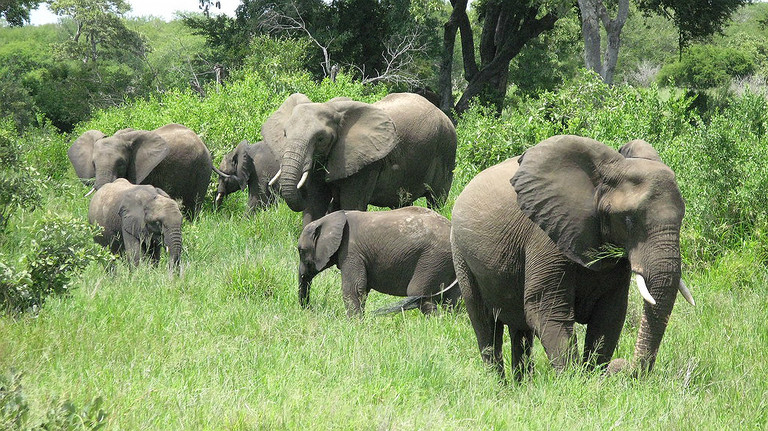
Biodiversity Credits: Unlocking Billions or Risking Greenwashing?

The emergence of biodiversity credits as a potential financial instrument for conservation has attracted both interest and scepticism. Proponents argue that these credits, which monetise efforts to protect or restore ecosystems, could unlock billions of dollars in funding for nature conservation. Critics, however, express deep concerns about the risks of greenwashing and the lack of regulatory frameworks.

The debate surrounding biodiversity credits will take centre stage at this month’s United Nations COP16 biodiversity summit in Cali, Colombia. This event, which begins on October 21, is expected to host over 12,000 participants, including business leaders, policymakers, and environmental advocates. Central to the discussions will be whether biodiversity credits can deliver on their promise or whether they are destined to replicate the failures of earlier environmental financial schemes, such as carbon offsets.

Biodiversity credits operate on the principle that industries causing ecological damage, such as mining or infrastructure projects, can offset their impact by purchasing credits. These credits would be generated by organisations actively engaged in conservation, such as reforestation or wetland restoration.

However, unlike the relatively mature carbon offset market, biodiversity credits are still in their infancy. The market remains largely unregulated, with no universal standards or metrics to measure the ecological benefits delivered by these credits. Alain Karsenty, an economist at the French agricultural research organisation CIRAD, highlights a crucial distinction: “For carbon, we have a clear, consistent unit — a tonne of carbon dioxide either removed or prevented from being emitted. For biodiversity, there is no such universal metric, making the creation of an international trading framework far more complex.”

The voluntary market for carbon credits, once seen as a promising solution to reducing greenhouse gas emissions, has been plagued by scandals and accusations of failing to deliver the environmental benefits promised. Some of the most widely traded carbon credits have been criticised for having little impact on emissions reduction. Biodiversity credits, still in their formative stage, risk facing similar credibility challenges if clear standards and robust governance are not established from the outset.

At the last biodiversity COP, participating nations committed to mobilising $200 billion per year for nature by 2030, a target seen as essential to addressing the ongoing degradation of ecosystems worldwide. Biodiversity credits are one of the key mechanisms being considered to achieve this ambitious financial goal. The agreement also encouraged countries to adopt innovative financial instruments, including biodiversity offsets and credits.

Yet the challenges remain formidable. Many environmental groups fear that biodiversity credits will fail to benefit local communities and indigenous peoples who live in close connection with nature. The commodification of biodiversity could further exacerbate inequalities if the financial benefits of such credits are captured by corporations and governments, with minimal trickle-down to those on the ground.

The International Advisory Panel on Biodiversity Credits, an independent body supported by the governments of France and the United Kingdom, will present a “global roadmap” for the sector at COP16. This roadmap is designed to promote the development of national biodiversity credit schemes rather than striving for a global standard, which many believe is unfeasible due to the vast ecological and economic disparities between countries.

In parallel, the Alliance for Biodiversity Credits, an initiative backed by the United Nations and the World Economic Forum, is working to boost confidence in the sector by promoting pilot projects and encouraging greater corporate involvement. Meanwhile, European Commission president Ursula von der Leyen has called for the creation of a “nature credits” market that would reward those engaged in sustainable agriculture and other conservation activities. Brazilian president Luiz Inacio Lula da Silva has similarly proposed a global fund to pay countries for protecting or restoring their rainforests.

The task of ensuring the integrity of biodiversity credits is no small feat. As the experience with carbon credits has shown, markets for environmental offsets are fraught with difficulties, from ensuring transparency and accountability to verifying the actual impact of funded projects. Without a reliable and consistent metric to measure biodiversity gains, the risk of greenwashing — where companies or governments exaggerate or misrepresent their environmental efforts — looms large.

For businesses, biodiversity credits offer the potential to demonstrate corporate responsibility and meet growing consumer demand for sustainable practices. But without stronger oversight, there is a danger that these credits could become a mere marketing tool, rather than a genuine driver of ecological restoration.

Despite these concerns, COP16 offers a critical opportunity to advance the conversation and lay the groundwork for a functional biodiversity credit market. If nations and businesses can agree on a set of guiding principles and ensure rigorous monitoring and verification mechanisms, biodiversity credits could yet play a pivotal role in financing the global conservation effort.

But the road ahead is uncertain. As the market gains traction, it remains to be seen whether biodiversity credits will fulfil their promise of unlocking billions for nature, or if they will become the latest in a series of well-meaning but ultimately flawed financial tools in the battle to save the planet.

Tags: biodiversity creditsconservation financeCOP16 biodiversity summitenvironmental offsetsglobal conservationgreenwashingnature creditssustainable development
Previous Post

OPINION: Africa and the Caribbean: A Partnership Poised to Transform Global Industry

Next Post

Kenyan Court Blocks Deputy President Appointment Following Gachagua’s Impeachment Challenge

SAT Reporter

Related Posts

Approaching Equity Investing During High Geopolitical and Stagflation Risks
Analysis

Approaching Equity Investing During High Geopolitical and Stagflation Risks

by SAT Reporter
April 27, 2026
Zimbabwe’s Fuel Boom Masks a Laundering Economy
Analysis

Zimbabwe’s Fuel Boom Masks a Laundering Economy

by SAT Reporter
April 22, 2026
LONG READ: Why Sanctions Will Not Solve the Rwanda–DRC Conflict
Analysis

LONG READ: Why Sanctions Will Not Solve the Rwanda–DRC Conflict

by The Editorial Board
April 12, 2026
Kagame’s Wake Up Call: The End of Leadership Without Consequence?
Analysis

Kagame’s Wake Up Call: The End of Leadership Without Consequence?

by Farai Muvuti
April 4, 2026
UPDATED: Leveraging AfCFTA for Continental Trade Integration: Lessons from KEDA Ceramics
Analysis

UPDATED: Leveraging AfCFTA for Continental Trade Integration: Lessons from KEDA Ceramics

by Development Reimagined
March 12, 2026
Next Post
Kenyan Court Blocks Deputy President Appointment Following Gachagua’s Impeachment Challenge

Kenyan Court Blocks Deputy President Appointment Following Gachagua's Impeachment Challenge

Browse by Category

  • Africa AI
  • African Continental Free Trade Area
  • African Debt
  • African Start ups
  • Agriculture
  • AI Africa
  • Algeria
  • All News
  • Analysis
  • Angola
  • Arts / Culture
  • Asia
  • Botswana
  • BOTSWANA
  • BREAKING NEWS
  • BRICS
  • Burkina Faso
  • Burundi
  • Business
  • Business
  • Business Wire
  • Cameroon
  • Central Africa
  • Chad
  • China
  • Climate Change
  • Climate Changev
  • Community
  • Congo Republic
  • Conservation
  • Côte d’Ivoire
  • COVID 19
  • CRYPTOCURRENCY
  • Culture
  • Democratic Republic of Congo
  • Diplomacy
  • Eastern Africa
  • Economic Development
  • Economy
  • Education
  • Egypt
  • Elections 2024
  • Energy
  • Entertainment
  • Environment
  • Eritrea
  • Ethiopia
  • Europe
  • Fashion
  • Feature
  • Finance
  • Financial Inclusion
  • Food
  • Food and Drink
  • Foods
  • GABON
  • Ghana
  • Global
  • Global Africa
  • Guinea
  • Health
  • Humanitarian Aid
  • Immigration
  • in Southern Africa
  • International news
  • International Relations
  • Investment
  • Ivory Coast
  • Just In
  • Kenya
  • Lesotho
  • Libya
  • Life Style
  • Lifestyle
  • Literature
  • Malawi
  • Malawi
  • Mali
  • Markets
  • Mauritius
  • Middle East
  • Mining in Africa
  • Morocco
  • Mozambique
  • Namibia
  • Niger
  • niger
  • Nigeria
  • North Africa
  • North-Eastern Africa
  • Obituaries
  • Obituary
  • Opinion
  • PARTNER CONTENT
  • Politics
  • Property
  • Racism
  • Rwanda
  • Rwanda
  • SADC
  • SAT Interviews
  • SAT Investigation
  • SAT Jobs
  • Saudi Arabia
  • Senegal
  • Seychelles
  • Somaliland
  • South Africa
  • South Sudan
  • Sports
  • Startup Africa
  • STOCK EXCHANGE
  • Sudan
  • Sustainability
  • Sustainablity
  • Tanzania
  • Technology
  • Telecommunications
  • The Editorial Board
  • The Power Of She
  • Togo
  • Trade
  • Travel
  • Travel
  • Tunisia
  • Uganda
  • Uncategorized
  • Wealth
  • West Africa
  • World
  • World
  • ZAMBIA
  • Zambia
  • Zimbabwe
  • ZIMBABWE

Browse by Tags

#NewsUpdate #SouthAfrica #SouthernAfricanTimes #TheSouthernAfricanTimes AfCFTA africa African Continental Free Trade Area African development African Development Bank African economies African economy African Union Agriculture Angola Botswana Business China Climate change Cyril Ramaphosa Economic Development economic growth energy transition Ghana industrialisation Inflation Infrastructure Infrastructure Development International relations Investment Kenya Mozambique Namibia news Nigeria Regional Integration renewable energy Rwanda SADC South Africa Southern Africa sustainable development Tanzania United States Zambia Zimbabwe
ADVERTISEMENT

WHO WE ARE

The Southern African Times is a regional bloc digital newspaper that covers Southern African and world news. The paper also gives a nuanced analysis on news and covers a wide range of reporting which include sports, entertainment, foreign affairs, arts and culture.

Welcome Back!

Login to your account below

Forgotten Password?

Retrieve your password

Please enter your username or email address to reset your password.

Log In

  • Home
  • Southern Africa
  • Business
    • African Start ups
    • African Continental Free Trade Area
  • Technology
    • Lifestyle
      • Health
      • Culture
      • Food and Drink
      • Entertainment
  • Opinion
  • Sports
  • SAT Jobs
    • Events
  • About Us
    • Advertise with Us
    • Contact Us
Are you sure want to unlock this post?
Unlock left : 0
Are you sure want to cancel subscription?