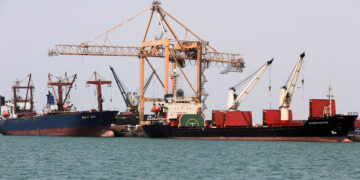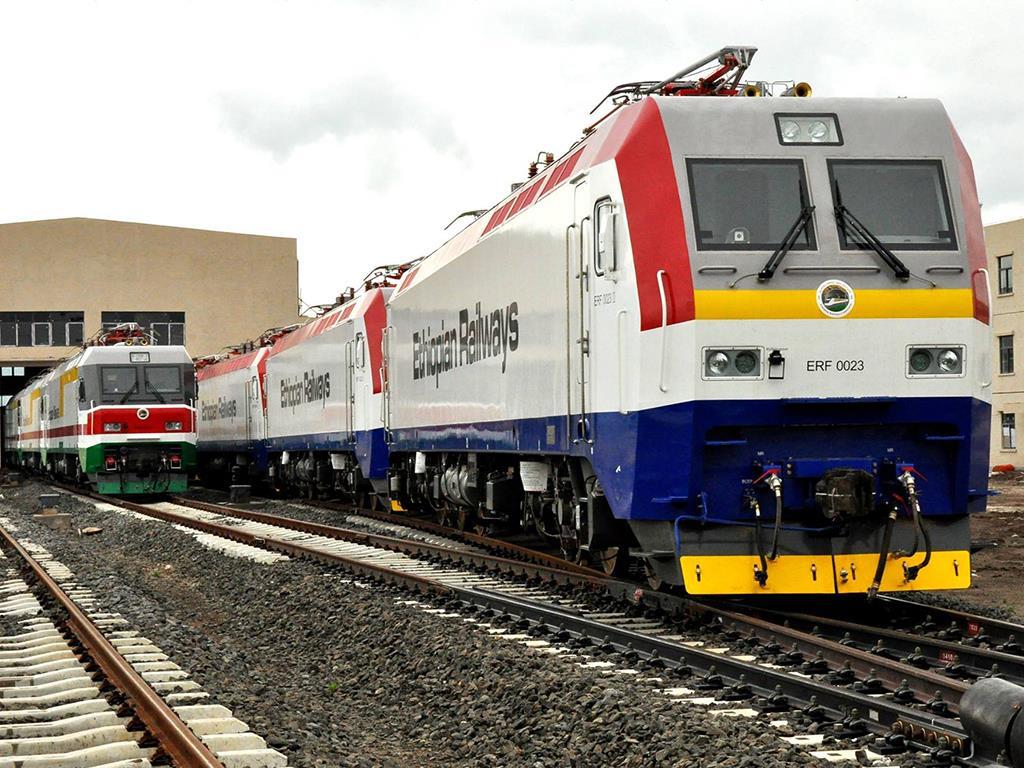
The Ethiopia-Djibouti railway, spanning 752 kilometres, has commenced the transportation of livestock from central Ethiopia to Djibouti’s ports, marking a key expansion in the rail network’s services. The Ethio-Djibouti Standard Gauge Railway Share Company (EDR) announced on Monday that this new service aims to facilitate Ethiopia’s export trade, maximising the utility of open wagons previously used primarily for imports.
Takele Uma, Chief Executive Officer of EDR, expressed optimism about the impact of the initiative, noting that the railway’s increased versatility will benefit Ethiopia’s export economy. “This approach will maximise the use of our open wagons and help improve the quality of exported meat by reducing transport stress on the animals, underscoring our commitment to efficient and sustainable trade,” Uma remarked.
The newly launched service will boost Ethiopia’s livestock exports, building on the country’s status as Africa’s largest livestock producer. Ethiopia is home to approximately 70.3 million cattle, 95.4 million sheep and goats, and 8.1 million camels, according to recent data from the World Bank. As the second-most populous nation in Africa, Ethiopia’s livestock sector represents a significant pillar of its economy, with efforts in recent years aimed at overcoming logistical and infrastructural challenges to unlock its full export potential.
The railway, which was handed over to Ethiopian and Djiboutian authorities in May 2024 following six years of external management, has played a pivotal role in the movement of goods and passengers between the two nations. Official data shows that by May 2024, the railway had transported 680,000 passengers and 9.5 million metric tons of cargo, achieving a steady 39% annual increase in transportation revenue since its inception in 2018.
In addition to its freight services, the railway has expanded to offer commuter trains, cold-chain transportation, and special services for automobile shipments. This livestock transportation service marks the latest development in the railway’s ongoing efforts to diversify and strengthen Ethiopia’s export economy, particularly its agricultural output.