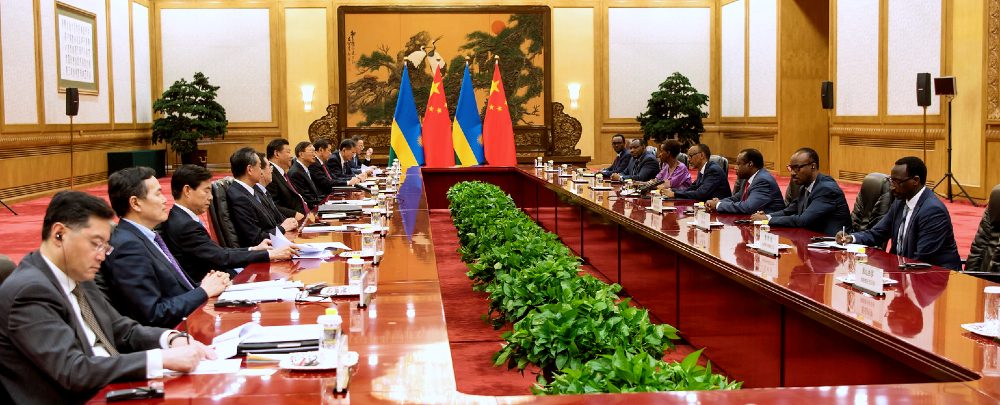
As China convenes the ninth Forum on China-Africa Co-operation (FOCAC) Summit this week in Beijing, the Chinese government is set to urge 50 African nations to absorb more of its goods, particularly in the advanced technology sectors of electric vehicles (EVs) and solar panels. This push comes ahead of anticipated Western restrictions on Chinese exports, which are poised to affect key industries where China has overcapacity. However, the African leaders attending the three-yearly event may prove to be discerning partners, focusing their demands on unfulfilled commitments from previous summits and seeking clarity on stalled infrastructure projects.
China’s shift in strategy, favouring the export of advanced green technologies over the financing of large-scale infrastructure projects, represents a significant realignment of its engagement with the African continent. This move, driven by both geopolitical and economic considerations, underscores Beijing’s intent to find new markets for its burgeoning industries in the face of growing international trade barriers.
Unfulfilled Pledges and New Priorities
Central to the discussions will be China’s unmet promise from the 2021 FOCAC summit to purchase $300 billion worth of African goods, a commitment that remains largely unrealised. The African leaders, representing a continent rich in natural resources but grappling with significant development challenges, are likely to press for concrete steps from Beijing on how it intends to fulfil this pledge. Additionally, there will be scrutiny over incomplete Chinese-funded infrastructure projects, such as the ambitious railway project intended to connect the greater East African region, which remains in limbo.



“The prize is going to go to those countries who have carefully studied the changes in China and align their proposals with China’s new slimmed-down priorities,” said Eric Olander, co-founder of the China-Global South Project. However, he noted the challenge for African nations, where understanding of China’s evolving domestic and international strategies is often limited.
A Changing Landscape of Sino-African Relations
China’s role as Africa’s largest two-way lender, investor, and trade partner is increasingly nuanced. Beijing is recalibrating its approach to the continent, moving away from funding infrastructure projects, which have historically been the hallmark of its engagement, towards exporting green technologies in which it has heavily invested. This shift is partly driven by the looming Western curbs, which aim to limit China’s dominance in sectors like EVs and solar energy.
In 2023, China extended only 13 loans totalling $4.2 billion to African states, a stark contrast to previous years, with a significant portion earmarked for renewable energy projects. This marked reduction reflects Beijing’s cautious stance on further financing, particularly in nations with ongoing debt restructuring processes, such as Chad, Ethiopia, Ghana, and Zambia.
Geopolitical Jostling for African Influence
As President Xi Jinping opens the summit, his emphasis will likely be on integrating African economies into China’s green energy supply chains. Delegates from nations including Gambia, Kenya, Nigeria, South Africa, and Zimbabwe will be in attendance, alongside representatives from all African countries except Eswatini, which does not have diplomatic ties with Beijing.
The geopolitical significance of the FOCAC summit cannot be overstated. While other global powers, including the United States, Britain, and Russia, have increased their engagement with Africa in recent years, China’s role remains unparalleled. “There is no other development partner that does that much,” said Hannah Ryder, founder of Development Reimagined, an African-owned consultancy. Nevertheless, she questioned whether African leaders could secure a more balanced outcome from their negotiations with China.
Balancing Ambitions with Prudence
China’s ambitions for the summit are clear: to secure access to Africa’s vast mineral resources, essential for the production of batteries and other green technologies, while promoting its own technological exports. Countries such as Botswana, Namibia, and Zimbabwe, rich in minerals like copper, cobalt, and lithium, are likely to be key targets for Chinese investment.

However, with rising concerns over debt sustainability and regional security, Beijing is expected to exercise caution in making new financial commitments. The recent tensions in Niger, where a security incident involving a PetroChina-backed pipeline led to the deaths of six Nigerien soldiers, and violent protests in Kenya, highlight the risks associated with deepening Chinese involvement in volatile regions.
As the summit unfolds, the focus will be on how China and its African partners navigate this complex landscape of mutual interests and emerging challenges. The outcomes of this pivotal meeting will shape the future trajectory of Sino-African relations, with significant implications for both sides.
Meta Description: Tags: China-Africa relations, Forum on China-Africa Co-operation, Beijing Summit, electric vehicles, solar panels, Chinese loans, African infrastructure, Western export curbs, Sino-African trade, green technology.