Monday, May 25, 2026
  • Login
The Southern African Times
  • Home
  • Southern Africa
  • Business
    • African Start ups
    • African Continental Free Trade Area
  • Technology
    • Lifestyle
      • Health
      • Culture
      • Food and Drink
      • Entertainment
  • Opinion
  • Sports
  • SAT Jobs
    • Events
  • About Us
    • Advertise with Us
    • Contact Us
No Result
View All Result
  • Home
  • Southern Africa
  • Business
    • African Start ups
    • African Continental Free Trade Area
  • Technology
    • Lifestyle
      • Health
      • Culture
      • Food and Drink
      • Entertainment
  • Opinion
  • Sports
  • SAT Jobs
    • Events
  • About Us
    • Advertise with Us
    • Contact Us
No Result
View All Result
The Southern African Times
No Result
View All Result
Home Finance

Infrastructure Investment Takes Centre Stage in Zimbabwe’s Budget Review

by SAT Reporter
July 25, 2024
in Finance
0
Infrastructure Investment Takes Centre Stage in Zimbabwe’s Budget Review

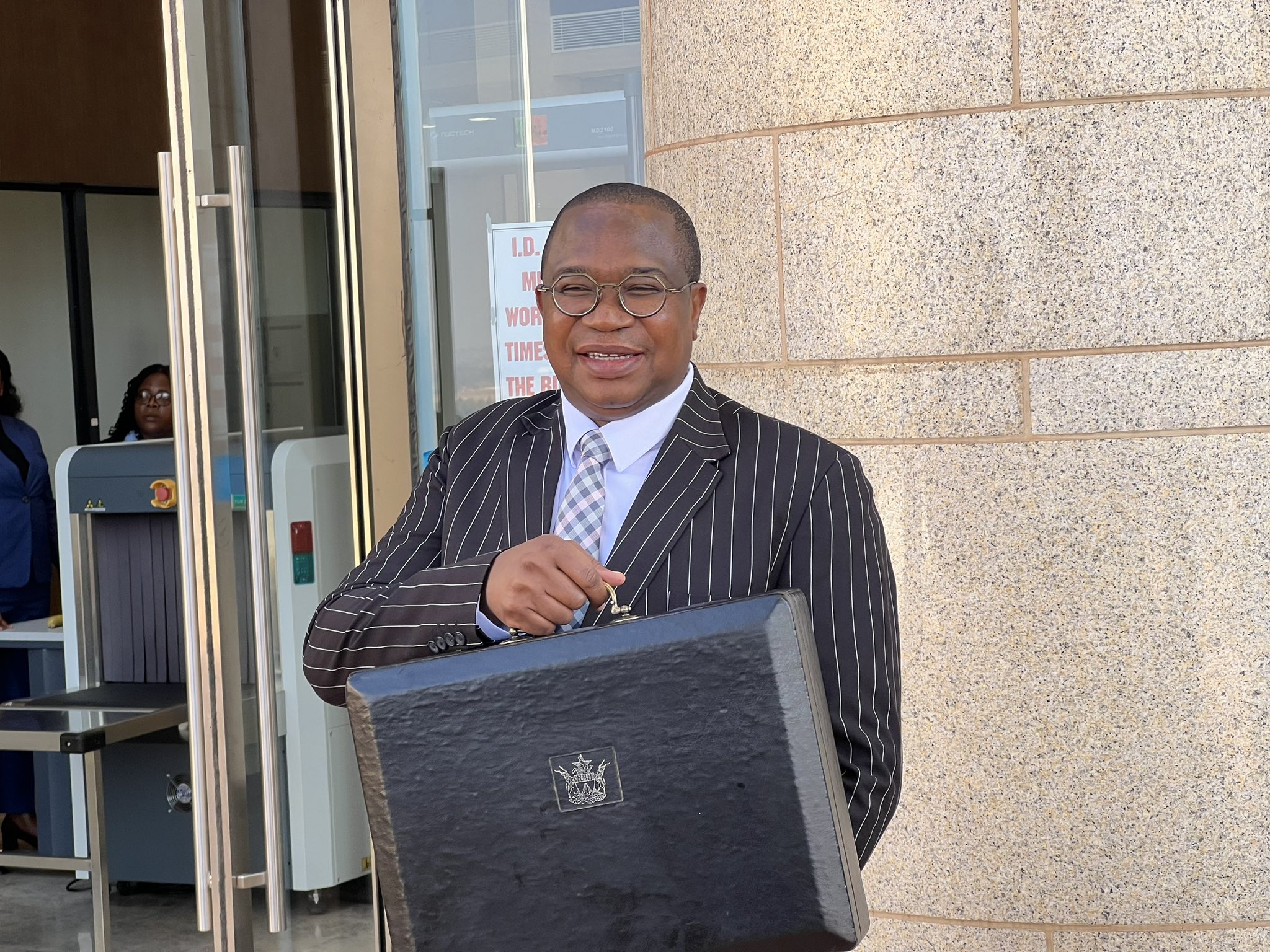
In Thursday’s  (today) mid -year budget review presented by Finance Minister Hon. Prof. Mthuli Ncube, significant emphasis was placed on infrastructure development as a key driver of Zimbabwe’s economic strategy. The review outlines a substantial allocation of funds towards upgrading critical infrastructure, including roads, railways, and energy projects, aiming to rejuvenate the country’s economic landscape.

The budget reveals that the government has earmarked approximately Z$450 billion (about US$3.5 billion) for infrastructure projects in the 2024 fiscal year. This allocation reflects an increase of 20% compared to the previous year’s budget. The review highlights several major projects, including the expansion of the Harare-Beitbridge highway and the construction of new railway lines to enhance connectivity between major economic hubs.

The Harare-Beitbridge highway, a crucial transport artery, will receive Z$150 billion (around US$1.1 billion) in funding. This project is expected to reduce transportation costs and travel time, thereby boosting trade and economic activity. The government projects that the completed highway will enhance regional trade links with South Africa and facilitate smoother logistics for both domestic and international businesses.


ADVERTISEMENT

Another significant component of the infrastructure investment is the Z$100 billion (approximately US$750 million) allocated for the development of new railway lines. The new lines are planned to connect industrial centres with the main ports and agricultural zones, thereby addressing bottlenecks in the transport sector that have historically hampered economic growth.

Energy infrastructure also features prominently in the budget. The review indicates that Z$80 billion (around US$600 million) will be invested in upgrading the national power grid and expanding renewable energy projects. This includes the construction of solar and hydroelectric power plants designed to address the frequent power shortages that have adversely affected industrial productivity.

The government’s focus on infrastructure is underscored by its long-term vision to foster economic growth and improve the quality of life for Zimbabweans. Minister Ncube stated, “Investing in infrastructure is crucial for unlocking economic potential and creating a conducive environment for business growth and job creation.”

However, the ambitious infrastructure plan comes with its own set of challenges. The budget highlights the need for effective project management and the prevention of cost overruns, which have historically plagued large-scale infrastructure projects in Zimbabwe. The successful execution of these projects will require transparency, robust planning, and adequate oversight to ensure that funds are utilised efficiently.

The budgetary review also notes that the infrastructure investment strategy is expected to stimulate both domestic and foreign investment. By improving connectivity and reducing logistical costs, the government hopes to attract more investors and encourage economic activities across various sectors.

Yet, there are concerns regarding the financing of these infrastructure projects. The government intends to source funds from a combination of domestic revenue, international loans, and public-private partnerships. Critics point out that reliance on external debt could increase Zimbabwe’s already substantial debt burden, potentially affecting fiscal stability.

In addition, the budget underscores the need for complementary reforms to support infrastructure development. These include regulatory improvements to streamline project approvals and enhance the business environment. The effectiveness of these reforms will play a crucial role in determining the overall success of the infrastructure investment strategy.

In summary, Zimbabwe’s mid-year budget review places significant emphasis on infrastructure development as a cornerstone of its economic strategy. While the planned investments hold the promise of stimulating economic growth and improving regional connectivity, the successful implementation of these projects will hinge on effective management and prudent financial planning. The international community and local stakeholders will be closely observing how these ambitious plans unfold in the coming months.


Tags: BudgetDevelopmenteconomic growtheconomic policyFinanceHarareInfrastructureInvestmentPublic WorksZimbabwe
Previous Post

First Quantum Minerals Declares Commercial Production at Zambian Nickel Mine

Next Post

Angola’s Cabinda Refinery Set to Begin Operations by Year-End

SAT Reporter

Related Posts

Standard Chartered Appoints Manus Costello as Chief Financial Officer
Finance

Standard Chartered Appoints Manus Costello as Chief Financial Officer

by SAT Reporter
May 18, 2026
Fitch Upgrades Ghana’s Sovereign Rating Following Fiscal Reforms
Finance

Fitch Upgrades Ghana’s Sovereign Rating Following Fiscal Reforms

by SAT Reporter
May 11, 2026
IMF Warns Africa’s Economic Gains Remain Vulnerable Amid Global Uncertainty
Finance

IMF Warns Africa’s Economic Gains Remain Vulnerable Amid Global Uncertainty

by SAT Reporter
May 8, 2026
Mozambique’s Debt Crisis Deepens as Economic and Climate Pressures Grow
Finance

Mozambique’s Debt Crisis Deepens as Economic and Climate Pressures Grow

by SAT Reporter
May 7, 2026
Africa Urged to Close Insurance Gap as Leaders Call for Stronger Financial Resilience
Finance

Africa Urged to Close Insurance Gap as Leaders Call for Stronger Financial Resilience

by SAT Reporter
May 6, 2026
Next Post
Angola’s Cabinda Refinery Set to Begin Operations by Year-End

Angola's Cabinda Refinery Set to Begin Operations by Year-End

Browse by Category

  • Africa AI
  • African Continental Free Trade Area
  • African Debt
  • African Start ups
  • Agriculture
  • AI Africa
  • Algeria
  • All News
  • Analysis
  • Angola
  • Arts / Culture
  • Asia
  • BOTSWANA
  • Botswana
  • BREAKING NEWS
  • BRICS
  • Burkina Faso
  • Burundi
  • Business
  • Business
  • Business Wire
  • Cameroon
  • Central Africa
  • Chad
  • China
  • Climate Change
  • Climate Changev
  • Community
  • Congo Republic
  • Conservation
  • Côte d’Ivoire
  • COVID 19
  • CRYPTOCURRENCY
  • Culture
  • Democratic Republic of Congo
  • Diplomacy
  • Eastern Africa
  • Economic Development
  • Economy
  • Education
  • Egypt
  • Elections 2024
  • Energy
  • Entertainment
  • Environment
  • Eritrea
  • Ethiopia
  • Europe
  • Fashion
  • Feature
  • Finance
  • Financial Inclusion
  • Food
  • Food and Drink
  • Foods
  • GABON
  • Ghana
  • Global
  • Global Africa
  • Guinea
  • Health
  • Humanitarian Aid
  • Immigration
  • in Southern Africa
  • International news
  • International Relations
  • Investment
  • Ivory Coast
  • Just In
  • Kenya
  • Lesotho
  • Libya
  • Life Style
  • Lifestyle
  • Literature
  • Malawi
  • Malawi
  • Mali
  • Markets
  • Mauritius
  • Middle East
  • Mining in Africa
  • Morocco
  • Mozambique
  • Namibia
  • Niger
  • niger
  • Nigeria
  • North Africa
  • North-Eastern Africa
  • Obituaries
  • Obituary
  • Opinion
  • PARTNER CONTENT
  • Politics
  • Property
  • Racism
  • Rwanda
  • Rwanda
  • SADC
  • SAT Interviews
  • SAT Investigation
  • SAT Jobs
  • Saudi Arabia
  • Senegal
  • Seychelles
  • Somaliland
  • South Africa
  • South Sudan
  • Sports
  • Startup Africa
  • STOCK EXCHANGE
  • Sudan
  • Sustainability
  • Sustainablity
  • Tanzania
  • Technology
  • Telecommunications
  • The Editorial Board
  • The Power Of She
  • Togo
  • Trade
  • Travel
  • Travel
  • Tunisia
  • Uganda
  • Uncategorized
  • Wealth
  • West Africa
  • World
  • World
  • Zambia
  • ZAMBIA
  • ZIMBABWE
  • Zimbabwe

Browse by Tags

#NewsUpdate #SouthAfrica #SouthernAfricanTimes #TheSouthernAfricanTimes AfCFTA africa African Continental Free Trade Area African development African Development Bank African economies African economy African Union Agriculture Angola Botswana China Climate change Cyril Ramaphosa Economic Development economic growth energy transition governance IMF industrialisation Inflation Infrastructure Infrastructure Development International relations Investment Kenya Mozambique Namibia news Nigeria Regional Integration renewable energy Rwanda SADC South Africa Southern Africa sustainable development Tanzania United States Zambia Zimbabwe
ADVERTISEMENT

WHO WE ARE

The Southern African Times is a regional bloc digital newspaper that covers Southern African and world news. The paper also gives a nuanced analysis on news and covers a wide range of reporting which include sports, entertainment, foreign affairs, arts and culture.

Welcome Back!

Login to your account below

Forgotten Password?

Retrieve your password

Please enter your username or email address to reset your password.

Log In
  • Home
  • Southern Africa
  • Business
    • African Start ups
    • African Continental Free Trade Area
  • Technology
    • Lifestyle
      • Health
      • Culture
      • Food and Drink
      • Entertainment
  • Opinion
  • Sports
  • SAT Jobs
    • Events
  • About Us
    • Advertise with Us
    • Contact Us
Not enough quota to unlock this post
Unlock left : 0
Are you sure want to cancel subscription?