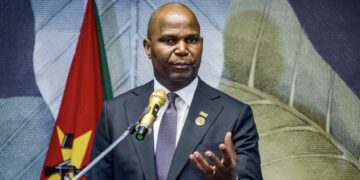
An International Monetary Fund (IMF) team, led by Mr Wojciech Maliszewski, has concluded its second mission to Zimbabwe, marking the completion of the 2024 Article IV Consultation. Despite numerous economic challenges, including a severe El Niño-induced drought, the IMF acknowledges Zimbabwe’s economic resilience but underscores the need for sustained reforms to ensure future stability and growth.
Mr Maliszewski reported that Zimbabwe’s economic growth is projected to slow significantly to 2 percent in 2024, down from 5.3 percent in 2023. This downturn is attributed primarily to the adverse effects of the drought, which has exacerbated the nation’s balance-of-payments situation due to increased import costs. However, a robust recovery is anticipated in 2025, with growth expected to rebound to approximately 6 percent, driven by a resurgence in the agricultural sector and continued capital investment in manufacturing.
In response to recent economic instability, the Reserve Bank of Zimbabwe (RBZ) introduced a new currency, the Zimbabwe Gold (ZiG), in April 2024. The ZiG has thus far maintained a stable official exchange rate, helping to alleviate the significant macroeconomic instability experienced earlier in the year, when the Zimbabwean dollar depreciated by around 260 percent. Provided that macroeconomic stabilisation efforts are maintained, cumulative inflation for the remainder of the year is projected to be about 7 percent.




The IMF mission commended improvements in monetary policy discipline but recommended further enhancements to the policy framework. Mr Maliszewski suggested that price stability could be best achieved by pegging the ZiG’s exchange rate to a basket of currencies, reflecting the predominance of the US dollar in Zimbabwe’s economy. This would necessitate controlling base money growth, initially through unremunerated Non-Negotiable Certificates of Deposits (NNCDs), and eventually through indirect monetary instruments to enhance the new currency’s attractiveness. Additionally, the IMF advised deepening the foreign exchange market to ensure effective price discovery and inform monetary policy decisions.
Fiscal discipline remains critical for stabilising the new currency. The transfer of past debt obligations from the RBZ’s quasi-fiscal operations to the Treasury is seen as a vital step towards reinforcing financial discipline. However, the IMF highlighted a substantial financing gap in the 2024 budget, driven by the costs of servicing this debt, issuance of Treasury bills amounting to approximately 8 percent of GDP in the previous year, and weaker-than-expected revenues amidst drought-related expenditures. The IMF urged Zimbabwe to close this gap without undermining monetary policy efforts and pledged support to the authorities in identifying viable solutions.
The newly established Mutapa Investment Fund is also expected to play a significant role in economic stabilisation. The IMF recommended defining the fund’s mandate clearly, aligning it with the National Development Strategy, enhancing transparency, and ensuring full integration into the budget process. This includes subjecting the fund’s operating budget, capital investment, asset sales, and borrowing plans to approval by the Ministry of Finance, Economic Development and Investment Promotion (MoFEDIP).
Structural reforms aimed at improving the business climate, strengthening economic governance, and reducing corruption vulnerabilities were also discussed. The IMF emphasised that addressing weaknesses in economic governance and combating corruption are essential for achieving sustained and inclusive growth.
International re-engagement is deemed crucial for debt resolution and arrears clearance, which would enable access to external financing. The IMF encouraged Zimbabwe to continue its efforts through the Structured Dialogue Platform, aiming for debt sustainability and access to concessional financial support. Transparency in public debt management was highlighted as a key component of this process.
While the IMF remains actively engaged with Zimbabwe, providing policy advice and technical assistance, it is currently precluded from offering financial support due to Zimbabwe’s unsustainable debt situation and official external arrears. Any future financial arrangement with the IMF would require a comprehensive debt restructuring plan and a commitment to reforms aimed at restoring macroeconomic stability and promoting inclusive growth.
The IMF mission involved meetings with several high-level officials, including the Minister of Finance, Economic Development and Investment Promotion, Honourable Professor Mthuli Ncube, and RBZ Governor Dr John Mushayavanhu, as well as representatives from the private sector, civil society, and Zimbabwe’s development partners.
The IMF expressed gratitude to the Zimbabwean authorities and other stakeholders for their constructive discussions and support throughout the consultation process.