The Zimbabwean Government has called for an inclusive approach in managing the Kavango Zambezi Transfrontier Conservation Area (KAZA TFCA). Speaking at the unveiling of a new brand for the KAZA TFCA, dubbed “Rivers of Life”, which aims to transform regional tourism, Minister of Environment, Climate, and Wildlife, Dr Sithembiso Nyoni, emphasised the importance of involving people at the grassroots level as well as other stakeholders in the planning, implementation, and decision-making processes.
“The stakeholders should be involved in the planning, implementation, and decision-making processes. Zimbabwe is already on the drive to roll out the devolution programme, which affords an opportunity for an inclusive approach in decision-making and developmental agenda,” said Minister Nyoni. She further highlighted the importance of creating an environment that strengthens programmes at a local level. “There is a need to strengthen coordinating programmes at the local level. The national structures should create an enabling environment to allow the establishment of local structures for the effective implementation of programmes and policies. This will assist in mainstreaming trans-boundary strategies into local development projects and activities so that they do not remain at a high level; our people need to participate,” the Minister emphasised.



In addition, Minister of Tourism and Hospitality Industry, Barbra Rwodzi, said the KAZA UniVisa is key to facilitating smooth travel between the five countries and to the rest of the world. “The KAZA UniVisa is very important; it has to work for this brand to be flawless. It will allow smooth transition from one country to another among the five countries, and most of all, it will open our countries to the rest of the world. In terms of the visa requirements for other countries, we have to consider security, as it is important before we open the visas to the world,” said Minister Rwodzi.

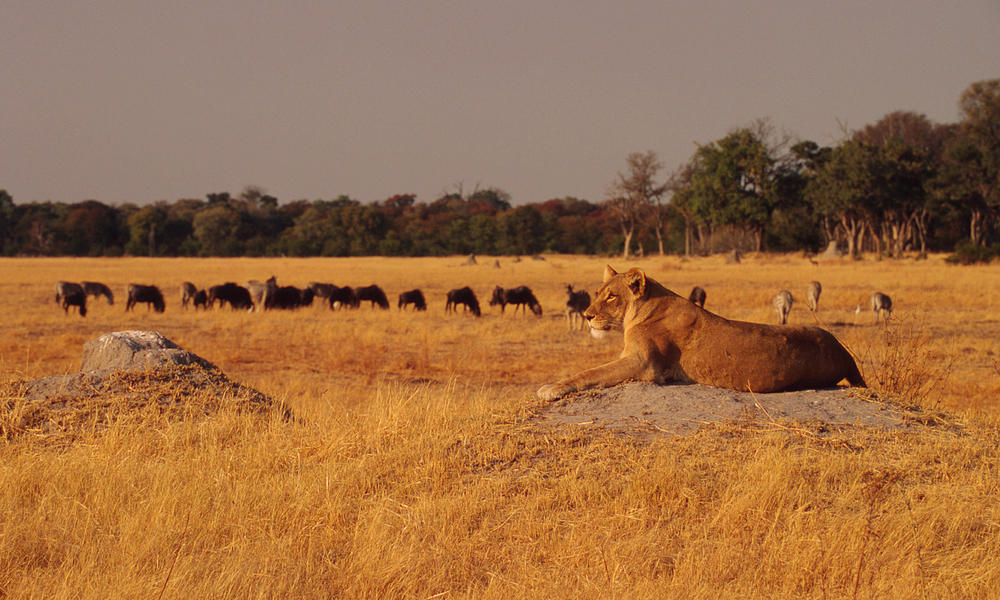
The KAZA TFCA is a vast conservation area spanning five Southern African countries: Angola, Botswana, Namibia, Zambia, and Zimbabwe. It encompasses a population of over two million people and an estimated 227,900 elephants, centred around the Caprivi-Chobe-Victoria Falls corridor.