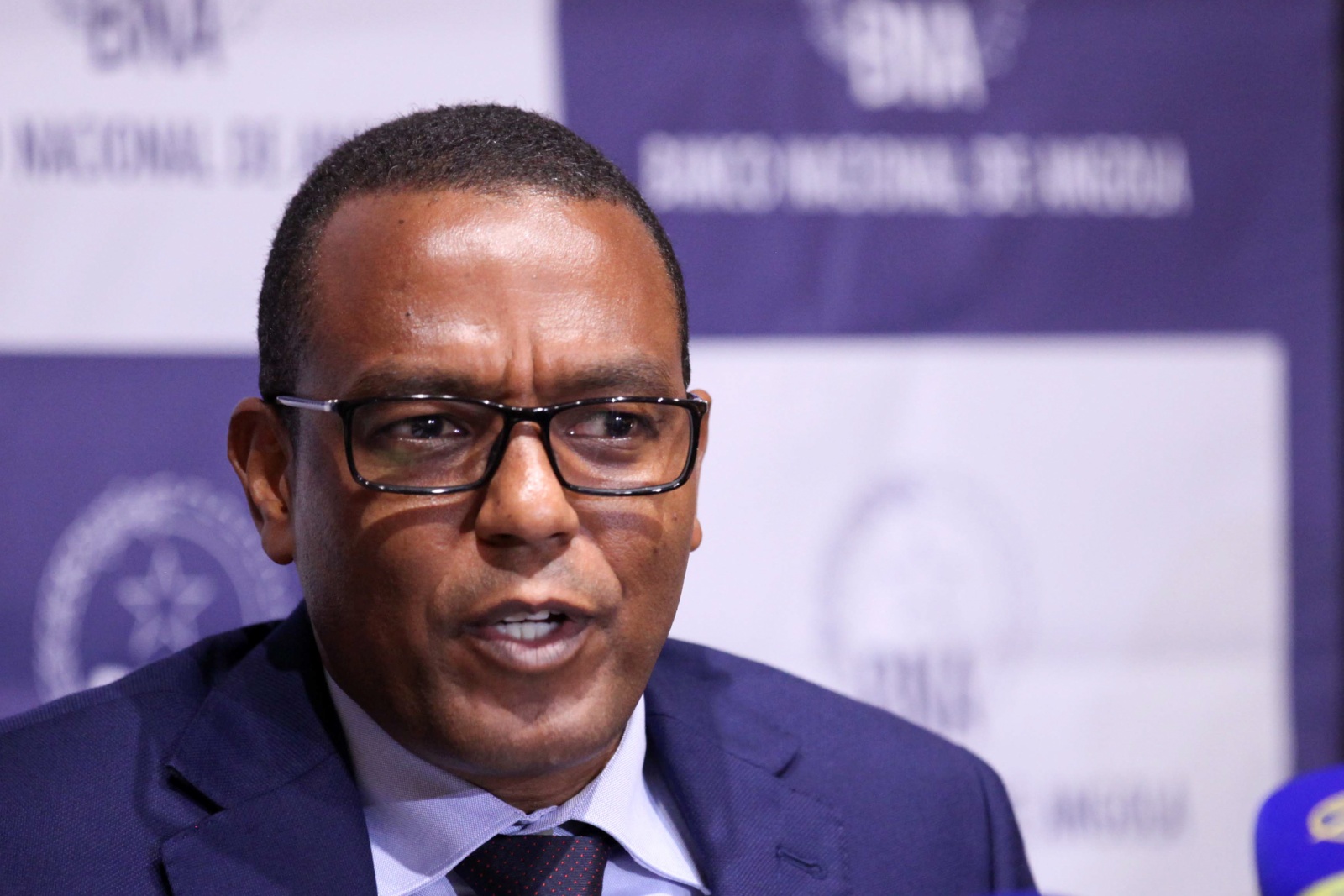
Angola, a significant player in Africa’s economic landscape, is confronting a challenging scenario of dwindling foreign exchange resources, primarily attributed to a decline in oil trade revenue. According to a report by the Angola Press Agency, the country’s Minister of State for Economic Coordination, Jose de Lima Massano, highlighted the pressing issue during a recent press briefing.
Massano underscored the fact that Angola heavily relies on oil trade, which accounts for a staggering 95 percent of its foreign exchange income. However, the minister candidly acknowledged a noticeable downturn in this vital revenue stream. “Due to the commitments the country has made, using external financing, we have moments when we must make debt service payments, which puts pressure on foreign exchange management,” he elucidated.
The gravity of the situation is further compounded by the necessity to fulfill debt obligations, which exerts additional strain on foreign exchange management. In response to these challenges, Massano announced plans for another foreign exchange sale operation by the National Treasury, slated for this month. Emphasizing the importance of conducive market conditions, he stressed the imperative for increased production and services to alleviate foreign exchange pressures.



Amidst these economic exigencies, Massano highlighted the pivotal role of promoting local production as a means to curtail imports and mitigate the reliance on foreign exchange. This strategic shift towards bolstering domestic productivity aligns with Angola’s broader economic diversification agenda, aimed at reducing vulnerability to external shocks.

Notably, data from the National Bank of Angola reveals that the country’s international reserves stood at 14.17 billion U.S. dollars in February, covering 7.21 months of imports of goods and services. While this underscores Angola’s concerted efforts to maintain fiscal stability, it also underscores the imperative for proactive measures to safeguard against further erosion of foreign exchange resources.
As Angola navigates these economic headwinds, stakeholders are called upon to collaborate in fostering resilience and sustainable growth. The imperative lies in adopting prudent fiscal policies, fostering a conducive business environment, and nurturing a vibrant ecosystem conducive to local production and economic diversification.
Angola’s proactive measures underscore its commitment to weathering the challenges posed by declining foreign exchange resources. By prioritizing economic diversification and bolstering domestic productivity, Angola endeavors to fortify its resilience and emerge stronger amidst the prevailing global economic uncertainties.