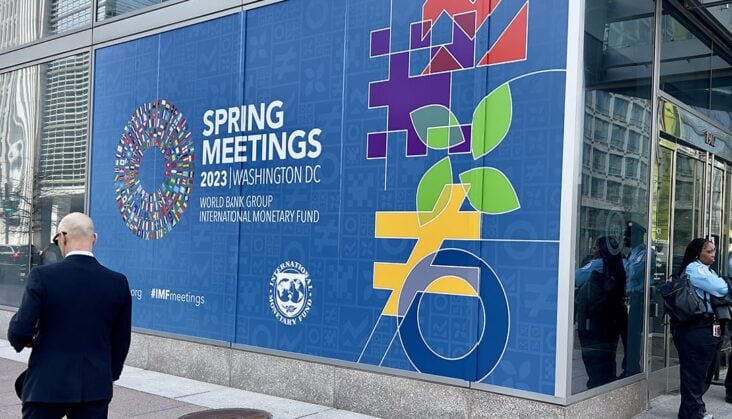
As the International Monetary Fund (IMF) and the World Bank gear up for their annual meetings in Marrakech, Morocco, a critical issue takes center stage: the urgent need to address illicit financial flows that continue to drain Africa of vital resources. Transparency International is calling for increased ambition in the fight against corruption and highlights the crucial role of these global institutions in curbing the plundering of the continent.
I. The Pressing Issue of Illicit Financial Flows
Africa suffers a staggering loss of approximately US$98 billion annually due to illicit financial flows, undermining its economic development. These funds, as Transparency International reveals, are facilitated by professional enablers operating in major financial centers and secrecy jurisdictions abroad.




II. The Call for Action
Rueben Lifuka, Vice Chair of Transparency International, emphasizes the necessity for immediate action. He states that policymakers cannot afford to ignore the issue of illicit financial flows, especially given Africa’s vulnerability. The IMF and World Bank have a crucial role in preventing the continued depletion of the continent’s resources and must work towards fixing the global financial system.
III. Specific Actions Urged
To address this challenge effectively, Transparency International proposes specific actions for the IMF and World Bank:
- Strengthen Beneficial Ownership Transparency: Both institutions should prioritize measures that enhance transparency in beneficial ownership, making it harder for corrupt actors to hide behind shell companies.
- Improved Regulation and Supervision of Professional Enablers: It is essential to regulate and supervise the professional enablers operating in major financial centers who facilitate the outflow of illicit funds.
- Capacity Building of Financial Intelligence Units: Strengthening the capacity of financial intelligence units can help in detecting and preventing illicit financial flows more effectively.
IV. IMF’s Commitment to Combat Corruption
The IMF has previously committed to examining the transnational aspects of corruption, including the role of advanced economies in perpetuating cross-border financial crime. Transparency International encourages the IMF to conduct further analysis on money laundering threats and vulnerabilities, building upon recent assessments conducted in Northern Europe. This analysis will provide valuable insights for the international community to combat the flow of dirty money.
The annual meetings of the IMF and World Bank in Marrakech present a unique opportunity for policymakers to address global challenges, particularly those affecting Africa. To make meaningful progress on issues like poverty eradication, climate action, aid effectiveness, and pandemic preparedness, it is imperative that these institutions, along with national governments, take more serious measures to combat corruption, enhance transparency, and hold accountable those enabling illicit financial flows. Only by doing so can Africa’s economic development be safeguarded from further harm.