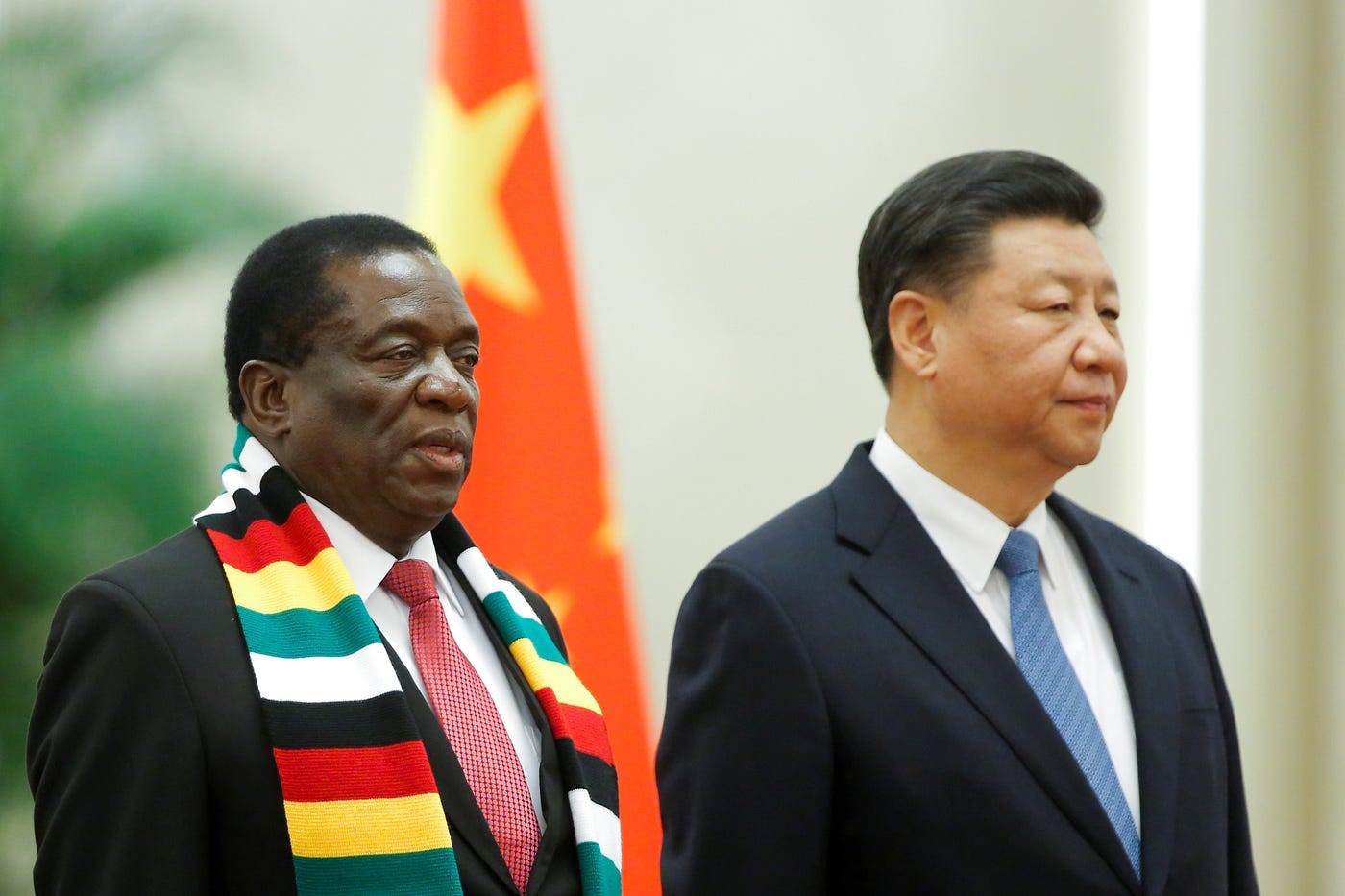
Zimbabwe’s trade relations with China have shown significant growth, with exports to the Asian nation reaching a record high of US$585 million. This noteworthy increase over the past five years reflects the efforts of both countries to strengthen economic ties. Dating back to Zimbabwe’s colonial era, the bilateral relations between Zimbabwe and China have steadily improved, particularly after China’s relations with the West deteriorated around the turn of the millennium.
The trade promotion agency ZimTrade reports a considerable surge in local exports to China, highlighting the collaborative efforts to expand the presence of Zimbabwean products in the Chinese market. The figures indicate that local exports to China have grown from US$960 thousand in 2017 to US$585 million in 2022, demonstrating the diversity of products, including tobacco, pearls, precious stones, and vegetable fats, among others.
On one hand, supporters of this growing trade partnership argue that it opens up opportunities for Zimbabwean businesses and helps diversify the country’s exports, reducing dependence on traditional markets. They contend that China’s vast market offers a promising avenue for Zimbabwean products, providing economic benefits to the nation.



However, some experts express concerns about the potential trade imbalance between the two countries. With Zimbabwe’s exports to China surpassing imports significantly, there are worries that the country might become increasingly reliant on the Asian market, potentially leading to challenges in maintaining economic sovereignty.
The relationship between Zimbabwe and the United Arab Emirates (UAE) has also strengthened, with exports to the UAE soaring almost tenfold, crossing the US$2 billion mark in 2022, up from US$223 million in 2017. Active participation in trade exhibitions in Dubai has played a crucial role in enhancing bilateral trade ties, unlocking opportunities for horticultural produce, value-added products, arts, crafts, cigars, and leather goods, which further contribute to Zimbabwean exports in the UAE market.

Similarly, Zimbabwe has experienced positive growth in exports to Europe, specifically Belgium and Italy. Exports to Belgium have escalated from around US$52 million in 2017 to US$215 million in 2022, providing an important gateway for Zimbabwean products into the European Union market. Additionally, exports to Italy surged from US$2.5 million in 2017 to US$61 million in 2022, contributing significantly to meeting national export targets.
Critics argue that while this growth in exports to multiple markets is promising, Zimbabwe should remain cautious and not overly rely on any single trading partner. They stress the importance of diversifying trading relationships to mitigate potential risks and ensure sustainable economic growth.
Despite the positive developments, it is essential for Zimbabwe to address concerns related to trade imbalances and focus on building a diverse and resilient economy. Balanced economic diplomacy and prudent trade policies are crucial for the country’s long-term stability and prosperity in the global market. Both Zimbabwe and its trading partners need to work collaboratively to ensure a mutually beneficial and sustainable trade relationship.