The African Development Bank Group (AfDB) is currently in discussions to support a debt-for-nature exchange as a move to enter the rapidly expanding sector of the sustainable debt market. The proposed debt restructuring agreements would require participating nations to allocate a portion of their savings to fund environmental initiatives. This initiative comes in response to African countries’ pressing needs to address rising debt costs, climate finance requirements, and environmental challenges.
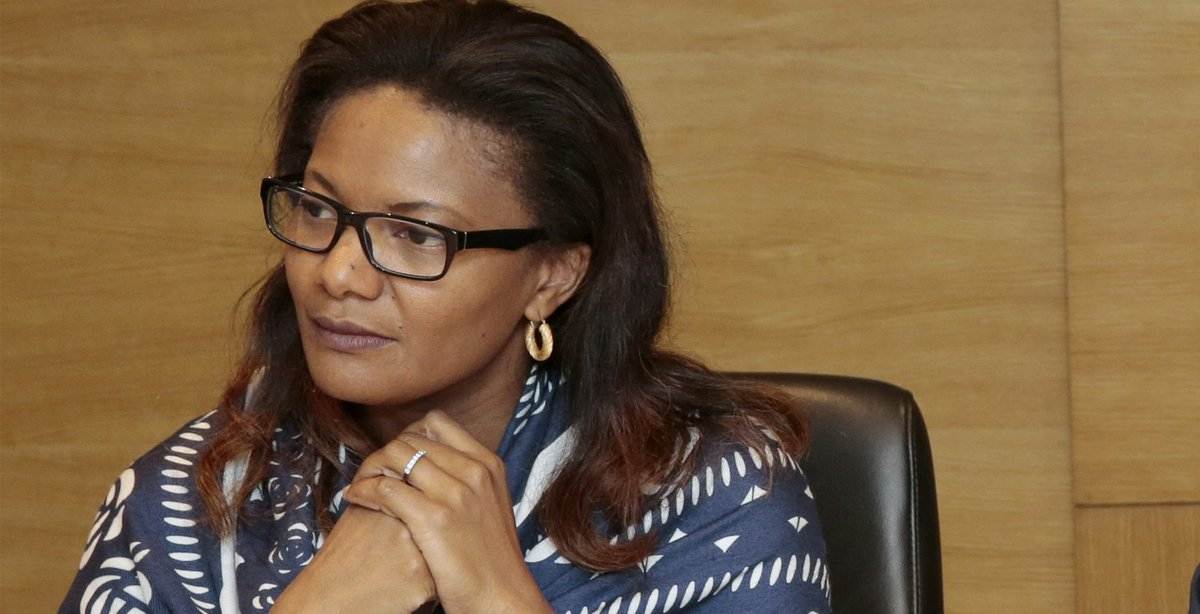
Hassatou Diop N’Sele, the Vice President for Finance and Chief Financial Officer at AfDB, disclosed in an interview that they are currently considering one transaction and carefully discussing the parameters. She refrained from naming the nation that proposed the agreement, where the debt would be restructured in exchange for commitments to environmental preservation and conservation.
According to N’Sele, African countries have a strong case for adopting such financial arrangements, given the multiple challenges the continent faces, including escalating debt costs, the urgent need for climate finance, and the critical issues of land degradation and biodiversity loss. Debt-for-nature swaps offer a promising start towards addressing these challenges.



The concept of debt-for-nature swaps is not entirely new, with Belize completing the first debt exchange in the modern era in 2021, backed by the US International Development Finance Corporation. The Nature Conservancy, a charitable organization, and the Inter-American Development Bank have also played significant roles, providing repayment guarantees for a contract in Barbados. Additionally, the IDB has supported the third and largest deal in history in Ecuador.

The primary objective of such transactions is to achieve an extension of maturity and a reduction in overall debt service, as highlighted by N’Sele. As low-income nations increasingly seek assistance from development banks and wealthy lenders to tackle climate change, financial distress, and poverty rates, debt-for-nature swaps have become instrumental in climate finance meetings.
However, there are concerns about the transaction costs and potential impacts on the economies and ecological systems of other nations. N’Sele emphasized that for these swaps to make a real difference, they must be conducted at scale despite the significant effort and expenses involved in structuring such deals.

Historically, debt-for-nature swaps have been utilized by Latin American governments with business creditors. Still, African nations are now displaying interest and commitment to exploring these arrangements. Gabon is anticipated to finalize the first such agreement on the continent shortly, with Gambia, Eswatini, and Kenya also expressing their support.
The AfDB, established in 1963 and headquartered in Abidjan, Ivory Coast, offers project financing to its member nations. By engaging in discussions for debt-for-nature exchanges, the AfDB seeks to play a pivotal role in promoting sustainable development, fostering environmental conservation, and mitigating climate change challenges on the African continent.