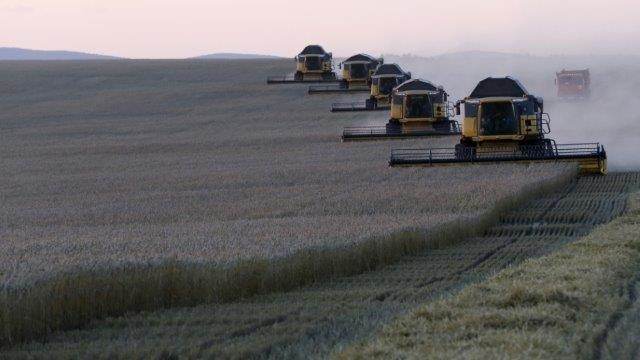
Russia has supplied wheat to Mali amidst rising food prices triggered by Russia’s invasion. The shipment of 50,000 tons of grain arrived at the port of Conakry in Guinea about a month ago, destined for Mali, as confirmed by Alfousseyni Sidibé, a spokesman for Mali’s foreign affairs ministry.
According to Salif Fofana, an official at a Malian association of grain millers, the wheat has been sold to five different mills. Another shipment of 25,000 tons is expected to reach Bamako, the capital of Mali, shortly.
The cost of the wheat supplied to Mali was approximately $220 per ton, as reported by Africa Intelligence. This price significantly undercuts European rates, which are currently around $292 per ton.



Mali, a nation grappling with both a jihadist militant insurgency and the impact of erratic weather, has been hit hard by the surge in food prices caused by Russia’s actions. The provision of wheat offers some relief to a country facing a growing number of people in need of food due to insecurity and adverse climatic conditions.
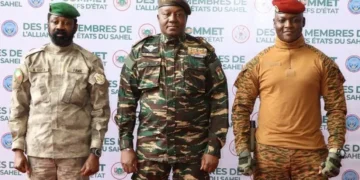
It is noteworthy that these grain shipments come at a time when Mali’s military government is moving away from its former western allies and aligning itself more closely with Russia. Last year, France withdrew thousands of troops from Mali, and a 13,000-strong United Nations mission is set to depart by January at the insistence of the Malian government. Consequently, more than 1,000 fighters from Russia’s Wagner mercenary operation will remain to assist the Malian army in its fight against militants, as reported by the International Crisis Group.
Earlier this year, Mali stood alongside just six other countries in voting with Russia against a UN resolution for its withdrawal from Ukrainian territory.

The wheat supplies, while addressing immediate food needs, underscore the complex geopolitical shifts taking place in the region. As Mali looks to diversify its alliances, the impact of Russia’s actions and the response of other nations continue to shape the dynamics in this part of Africa.
It is essential to recognize the multifaceted nature of this situation, where humanitarian aid meets political realignments, and the implications extend far beyond the provision of wheat to the shores of Mali.