Friday, June 26, 2026
  • Login
The Southern African Times
  • Home
  • Southern Africa
  • Business
    • African Start ups
    • African Continental Free Trade Area
  • Technology
    • Lifestyle
      • Health
      • Culture
      • Food and Drink
      • Entertainment
  • Opinion
  • Sports
  • SAT Jobs
    • Events
  • About Us
    • Advertise with Us
    • Contact Us
No Result
View All Result
  • Home
  • Southern Africa
  • Business
    • African Start ups
    • African Continental Free Trade Area
  • Technology
    • Lifestyle
      • Health
      • Culture
      • Food and Drink
      • Entertainment
  • Opinion
  • Sports
  • SAT Jobs
    • Events
  • About Us
    • Advertise with Us
    • Contact Us
No Result
View All Result
The Southern African Times
No Result
View All Result
Home Opinion

Where is the Global South’s rescue brigade?

by SAT Reporter
March 28, 2023
in Opinion
0
Where is the Global South’s rescue brigade?

Over the last few months, a G7 economy (the United Kingdom), a midsize U.S. bank (Silicon Valley Bank), a small African economy (Ghana), a lower-middle-income South Asian economy (Pakistan), and the fastest-growing global services sector (technology) have all faced short-term cash constraints.

Monetary-policy tightening in the United States – where the Federal Reserve raised interest rates by 475 basis points in the space of a year – has produced knock-on effects around the world. But the stark disparities in how these effects are being treated speak volumes about current global financial arrangements.

The decade of low interest rates prior to 2022 led many countries and businesses to amass debt in the interest of boosting economic growth and creating jobs. But no bonanza lasts forever, and this one came to a halt when inflation began rising in the U.S. Now, interest-rate hikes in the U.S and Europe are causing severe credit distress in developing countries.


ADVERTISEMENT

Many currencies have depreciated against the dollar by over 30 percent, as investors have withdrawn from emerging and frontier markets in a flight to safety. Emerging-market economies’ debt-servicing costs have increased by more than $1 trillion in less than a year. Reserves as a share of imports have dropped, and inflation in Africa has risen to over 14 percent in the low-income countries in 2022.

Worse, the rate hikes are compounding a pre-existing “polycrisis” that also includes COVID-19, climate change, violent conflict, and higher costs of living (owing to the conflict in Ukraine and other factors).

In developed and developing economies alike, the technology sector had remained an oasis of robust growth, helping to provide resilience during the pandemic. Startups have multiplied, and most have been funded by affordable resources. But now, SVB’s collapse is hitting this sector globally, and Africa is not exempt.

But while U.S. regulators rush to protect domestic depositors, startups and many others have not received such assistance. For the past three years, emerging-market economies have been calling for swift action to address debt distress and contain the pandemic’s economic fallout. But these pleas have received little attention.

Once again, Africa and the rest of the developing world are left to stand by and watch as the Bank of England and the Fed take swift action to contain the domestic effects of their own policies. As always, pressures imposed on emerging-market economies by exogenous decisions are seen not as liquidity events but as insolvency issues born of those countries’ poor macroeconomic fundamentals.

And, as always, the prescribed treatment will involve a protracted visit from the doctor – the International Monetary Fund – rather than a quick liquidity injection. We already know from history that this unequal treatment will have huge consequences for development and financial stability across the Global South.
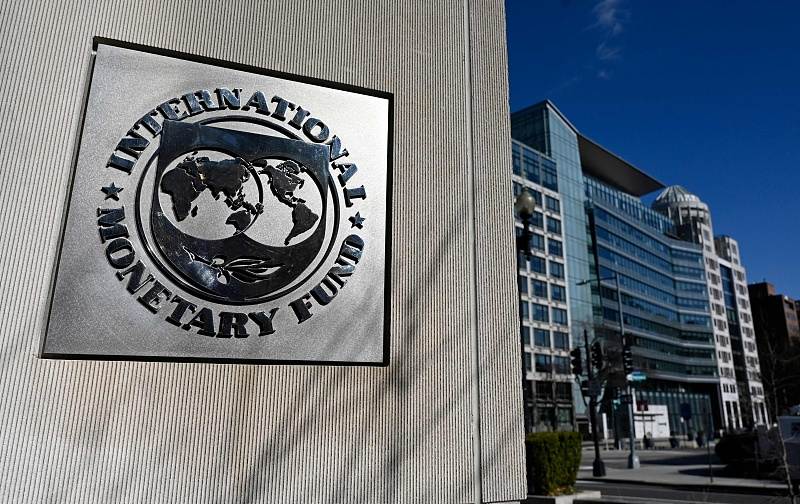
The seal for the International Monetary Fund (IMF) in Washington, D.C., the U.S., January 26, 2022. /CFP

This latest episode offers several lessons for African countries and emerging and developing economies more generally. First, since a liquidity crisis can come on suddenly, and with serious consequences for the real economy, we must provide the appropriate remedies, which requires distinguishing between liquidity problems and genuine solvency issues and creating the appropriate instruments.

Second, when treated immediately and with the right remedy, confidence can be restored quickly, allowing growth to recover. To provide today’s global economy with sufficient liquidity to prevent another escalating crisis, the G7 and other major IMF shareholders should consider a new issuance of special drawing rights (SDRs, the Fund’s reserve asset) to serve this liquidity purpose.

Third, like everyone else, emerging-market economies need support to build the financial infrastructure required to address rapidly escalating liquidity problems in the future. Among other things, this means deepening capital markets and strengthening financial-sector regulation. As the Basel Committee meets to consider revisions to the prevailing macroprudential bank regulations, it should pay more attention to the contagion effects of developed-market crises on emerging and frontier economies.

Fourth, as the Fed and the European Central Bank contemplate the pace and magnitude of future interest-rate hikes, they must recognize how their policies affect frontier economies both directly and indirectly. There is a clear need for coordination beyond just the G20 countries and their central banks.

Finally, as the international financial system becomes more deeply integrated, we must develop truly inclusive tools to protect all economies. Innovations to preserve financial stability will need to be extended to Africa and other emerging markets. The ECB’s program of buying bonds from Italy, Spain, Portugal, and Greece to keep capital costs in check represents one such innovation. And now, the Fed has stepped in to help make all SVB depositors whole. It is possible to slow some parts of the global economy through policy tightening while still protecting growth in other parts. But this will require a clearly articulated shared objective.

In each case, eliminating the vast disparities in how we respond to systemic crises will require new and deeper forms of coordination between the IMF, central banks, finance ministries, and the international donor community. There is no better time than now to start exploring our options.

Vera Songwe, Chair of the Liquidity and Sustainability Facility, is a non-resident senior fellow at the Brookings Institution. The article reflects the authors’ opinions and necessarily the views of The Southern African Times.

Previous Post

Kenya shilling seen firmer, Zambia, Uganda and Nigeria units to fall

Next Post

What does the TikTok hearing convey to the world?

SAT Reporter

Related Posts

The Insurance Hack More Drivers Should Know
Opinion

The Insurance Hack More Drivers Should Know

by Times Reporter
June 22, 2026
Southern African Times Announces Brendan Amadi as Recipient of the 2026 Editorial Recognition of the Year Award
The Editorial Board

Southern African Times Announces Brendan Amadi as Recipient of the 2026 Editorial Recognition of the Year Award

by The Editorial Board
June 19, 2026
LONG READ | No Longer the World’s Dustbin: China’s Waste Ban and Africa’s Circular Economy Moment
Opinion

LONG READ | No Longer the World’s Dustbin: China’s Waste Ban and Africa’s Circular Economy Moment

by Times Reporter
June 12, 2026
OPINION | The Investors Southern Africa Refuses to See
Opinion

OPINION | The Investors Southern Africa Refuses to See

by Times Reporter
June 14, 2026
Faith, Miracles and the Crisis of Religious Authenticity
Opinion

Faith, Miracles and the Crisis of Religious Authenticity

by Brendan Amadi
June 10, 2026
Next Post
What does the TikTok hearing convey to the world?

What does the TikTok hearing convey to the world?

Browse by Category

  • Africa AI
  • African Continental Free Trade Area
  • African Debt
  • African Start ups
  • Agriculture
  • AI Africa
  • Algeria
  • All News
  • Analysis
  • Angola
  • Arts / Culture
  • Asia
  • Botswana
  • BOTSWANA
  • BREAKING NEWS
  • BRICS
  • Burkina Faso
  • Burundi
  • Business
  • Business
  • Business Wire
  • Cameroon
  • Central Africa
  • Chad
  • China
  • Climate Change
  • Climate Changev
  • Community
  • Congo Republic
  • Conservation
  • Côte d’Ivoire
  • COVID 19
  • CRYPTOCURRENCY
  • Culture
  • Democratic Republic of Congo
  • Diplomacy
  • Eastern Africa
  • Economic Development
  • Economy
  • Education
  • Egypt
  • Elections 2024
  • Energy
  • Entertainment
  • Environment
  • Eritrea
  • Ethiopia
  • Europe
  • Fashion
  • Feature
  • Finance
  • Financial Inclusion
  • Food
  • Food and Drink
  • Foods
  • GABON
  • Ghana
  • Global
  • Global Africa
  • Guinea
  • Health
  • Humanitarian Aid
  • Immigration
  • in Southern Africa
  • International news
  • International Relations
  • Investment
  • Ivory Coast
  • Just In
  • Kenya
  • Lesotho
  • Libya
  • Life Style
  • Lifestyle
  • Literature
  • Malawi
  • Malawi
  • Mali
  • Markets
  • Mauritius
  • Middle East
  • Mining in Africa
  • Morocco
  • Mozambique
  • Namibia
  • niger
  • Niger
  • Nigeria
  • North Africa
  • North-Eastern Africa
  • Obituaries
  • Obituary
  • Opinion
  • PARTNER CONTENT
  • Politics
  • Property
  • Racism
  • Rwanda
  • Rwanda
  • SADC
  • SAT Interviews
  • SAT Investigation
  • SAT Jobs
  • Saudi Arabia
  • Senegal
  • Seychelles
  • Somaliland
  • South Africa
  • South Sudan
  • Sports
  • Startup Africa
  • STOCK EXCHANGE
  • Sudan
  • Sustainability
  • Sustainablity
  • Tanzania
  • Technology
  • Telecommunications
  • The Editorial Board
  • The Power Of She
  • Togo
  • Trade
  • Travel
  • Travel
  • Tunisia
  • Uganda
  • Uncategorized
  • Wealth
  • West Africa
  • World
  • World
  • ZAMBIA
  • Zambia
  • ZIMBABWE
  • Zimbabwe

Browse by Tags

#NewsUpdate #SouthAfrica #SouthernAfricanTimes #TheSouthernAfricanTimes AfCFTA africa African Continental Free Trade Area African development African Development Bank African economies African economy African Union Agriculture Angola Botswana China Climate change Cyril Ramaphosa Economic Development economic growth energy transition fiscal policy governance industrialisation Inflation Infrastructure Infrastructure Development International relations Investment Kenya Mozambique Namibia news Nigeria Regional Integration renewable energy Rwanda SADC South Africa Southern Africa sustainable development Tanzania United States Zambia Zimbabwe
ADVERTISEMENT

WHO WE ARE

The Southern African Times is a regional bloc digital newspaper that covers Southern African and world news. The paper also gives a nuanced analysis on news and covers a wide range of reporting which include sports, entertainment, foreign affairs, arts and culture.

Welcome Back!

Login to your account below

Forgotten Password?

Retrieve your password

Please enter your username or email address to reset your password.

Log In
  • Home
  • Southern Africa
  • Business
    • African Start ups
    • African Continental Free Trade Area
  • Technology
    • Lifestyle
      • Health
      • Culture
      • Food and Drink
      • Entertainment
  • Opinion
  • Sports
  • SAT Jobs
    • Events
  • About Us
    • Advertise with Us
    • Contact Us
Not enough quota to unlock this post
Unlock left : 0
Are you sure want to cancel subscription?