Wednesday, July 1, 2026
  • Login
The Southern African Times
  • Home
  • Southern Africa
  • Business
    • African Start ups
    • African Continental Free Trade Area
  • Technology
    • Lifestyle
      • Health
      • Culture
      • Food and Drink
      • Entertainment
  • Opinion
  • Sports
  • SAT Jobs
    • Events
  • About Us
    • Advertise with Us
    • Contact Us
No Result
View All Result
  • Home
  • Southern Africa
  • Business
    • African Start ups
    • African Continental Free Trade Area
  • Technology
    • Lifestyle
      • Health
      • Culture
      • Food and Drink
      • Entertainment
  • Opinion
  • Sports
  • SAT Jobs
    • Events
  • About Us
    • Advertise with Us
    • Contact Us
No Result
View All Result
The Southern African Times
No Result
View All Result
Home Opinion

Opinion – If Britain Is Serious About Ending Trafficking, We Must Learn From Mo Farah

The UK government's response to Olympic champion's case is welcome, but we must learn how to treat those with no public platform with as much understanding

by SAT Reporter
July 23, 2022
in Opinion
0
Opinion – If Britain Is Serious About Ending Trafficking, We Must Learn From Mo Farah

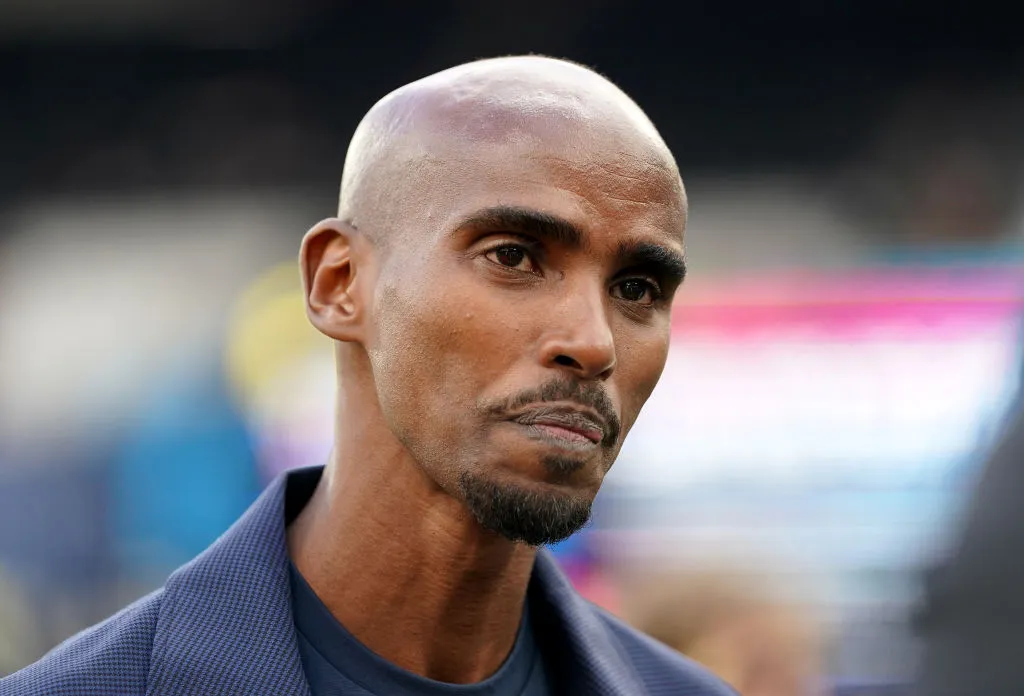
Last week, Olympic and world champion British runner Mo Farah revealed that he was trafficked to the UK as a child. His courageous decision to share his experiences has led to widespread support from media and the public – and from the Home Office (UK interior ministry), who described him as “truly inspirational”.

However, if the UK government is serious about ending trafficking, it must do more than praise Farah as an individual. As a country, we need to learn from his case and take action. The government’s ongoing review of its modern slavery strategy and upcoming Modern Slavery Bill present great opportunities to do so: here are the four key lessons we need to implement.

1. We need a trauma-informed system which doesn’t penalise survivors for late disclosure.

As Farah’s case shows, it can take a long time for survivors to disclose their experiences. For him, it has taken thirty years. This can happen for several reasons. Sometimes, survivors of trafficking keep quiet because of the fear of stigma, or of not being believed. Survivors who were trafficked as children may not fully understand what has happened to them until they are adults, making it difficult to disclose their exploitation until after the fact. Trauma can complicate the process further because it affects memory, and even the process of sharing a traumatic experience can itself be retraumatising, creating another disincentive to disclose.

We need to see a system which acknowledges that delays are not evidence of deception or inaccuracy. We also need trauma-informed processes for disclosure, making it easier for people to share their experiences.

2. We need to create a culture of support, not fear.

Trafficking victims in the UK are at risk of criminalisation, even if the crime they committed was as a result of being trafficked and therefore outside of their control. For example, Farah’s case involved an immigration offence. Other trafficking victims in the UK are forced to take part in criminal activities such as growing cannabis.

Traffickers know how to manipulate victims’ fear of being penalised for these offences. They use it to make sure that victims don’t seek help from authorities, warning them that if they report what has happened, they could be deported or otherwise punished. This means trafficking cases slip under the radar as victims and survivors are afraid to come forward.

We need to create a safe environment for victims and survivors – one in which their immigration status is secure and they know they will be treated with dignity and respect if they disclose.

While the Home Office was quick to assure Farah that no action would be taken against him, we need to see the same protection extended to survivors who have no public platform.

3. We need a humane and dignified approach to immigration – to take power out of the hands of traffickers.

Like Farah, many vulnerable people in the world today are made susceptible to trafficking, often by situations outside of their control – like conflict. He was living in war-torn Somalia, where conflict had recently claimed his father’s life. This conflict made him vulnerable to trafficking.

We’re seeing similar vulnerabilities right now with refugees who have fled Ukraine and other conflict zones. Many women and children who have escaped Ukraine are running low on resources, making them more vulnerable to false offers of work and accommodation from traffickers. We need to ensure there are safe, legal and accessible immigration routes that prevent people being targeted by traffickers.

4. We need to listen to survivors – not only those with public platforms.

It is right that Farah’s courage is acknowledged and celebrated – he’s made a powerful impact by sharing his story and putting a spotlight on this issue. It is now time for the UK government to pay similar attention to the experiences of trafficking survivors who are not public figures. Without understanding the reality of survivors’ experiences, it will not be possible to create a modern slavery strategy which effectively addresses the problem of trafficking. The UK government now has an opportunity to listen to survivors and create strong solutions.

International Justice Mission has supported survivors of trafficking who were exploited in the UK, and we have seen firsthand the need for robust, trauma-informed support which protects survivors’ rights. We know that stopping trafficking is possible – but it can only happen if, as a country, we are prepared to acknowledge the reality of how trafficking happens, and develop robust, humane solutions which protect the rights of victims and survivors.

Previous Post

Nigerian recruitment startup Terawork launches app to help employers hire on the go

Next Post

Under threat of subpoena, S.Africa’s Ramaphosa responds to graft watchdog

SAT Reporter

Related Posts

LONG READ | The Oldest Alibi: South Africa’s Xenophobia and the Economic Ruin It Presages
Opinion

LONG READ | The Oldest Alibi: South Africa’s Xenophobia and the Economic Ruin It Presages

by Times Reporter
June 30, 2026
President Cyril Ramaphosa’s Opinion: How South Africa’s Natural Splendour Can Drive Inclusive Growth
Opinion

Op-Ed by President Ramaphosa | Protest Is Both a Right and a Responsibility

by Times Reporter
June 29, 2026
The Insurance Hack More Drivers Should Know
Opinion

The Insurance Hack More Drivers Should Know

by Times Reporter
June 22, 2026
Southern African Times Announces Brendan Amadi as Recipient of the 2026 Editorial Recognition of the Year Award
The Editorial Board

Southern African Times Announces Brendan Amadi as Recipient of the 2026 Editorial Recognition of the Year Award

by The Editorial Board
June 19, 2026
LONG READ | No Longer the World’s Dustbin: China’s Waste Ban and Africa’s Circular Economy Moment
Opinion

LONG READ | No Longer the World’s Dustbin: China’s Waste Ban and Africa’s Circular Economy Moment

by Times Reporter
June 12, 2026
Next Post
Under threat of subpoena, S.Africa’s Ramaphosa responds to graft watchdog

Under threat of subpoena, S.Africa's Ramaphosa responds to graft watchdog

Browse by Category

  • Africa AI
  • African Continental Free Trade Area
  • African Debt
  • African Start ups
  • Agriculture
  • AI Africa
  • Algeria
  • All News
  • Analysis
  • Angola
  • Arts / Culture
  • Asia
  • Botswana
  • BOTSWANA
  • BREAKING NEWS
  • BRICS
  • Burkina Faso
  • Burundi
  • Business
  • Business
  • Business Wire
  • Cameroon
  • Central Africa
  • Chad
  • China
  • Climate Change
  • Climate Changev
  • Community
  • Congo Republic
  • Conservation
  • Côte d’Ivoire
  • COVID 19
  • CRYPTOCURRENCY
  • Culture
  • Democratic Republic of Congo
  • Diplomacy
  • Eastern Africa
  • Economic Development
  • Economy
  • Education
  • Egypt
  • Elections 2024
  • Energy
  • Entertainment
  • Environment
  • Eritrea
  • Ethiopia
  • Europe
  • Fashion
  • Feature
  • Finance
  • Financial Inclusion
  • Food
  • Food and Drink
  • Foods
  • GABON
  • Ghana
  • Global
  • Global Africa
  • Guinea
  • Health
  • Humanitarian Aid
  • Immigration
  • in Southern Africa
  • International news
  • International Relations
  • Investment
  • Ivory Coast
  • Just In
  • Kenya
  • Lesotho
  • Libya
  • Life Style
  • Lifestyle
  • Literature
  • Malawi
  • Malawi
  • Mali
  • Markets
  • Mauritius
  • Middle East
  • Mining in Africa
  • Morocco
  • Mozambique
  • Namibia
  • Niger
  • niger
  • Nigeria
  • North Africa
  • North-Eastern Africa
  • Obituaries
  • Obituary
  • Opinion
  • PARTNER CONTENT
  • Politics
  • Property
  • Racism
  • Rwanda
  • Rwanda
  • SADC
  • SAT Interviews
  • SAT Investigation
  • SAT Jobs
  • Saudi Arabia
  • Senegal
  • Seychelles
  • Somaliland
  • South Africa
  • South Sudan
  • Sports
  • Startup Africa
  • STOCK EXCHANGE
  • Sudan
  • Sustainability
  • Sustainablity
  • Tanzania
  • Technology
  • Telecommunications
  • The Editorial Board
  • The Power Of She
  • Togo
  • Trade
  • Travel
  • Travel
  • Tunisia
  • Uganda
  • Uncategorized
  • Wealth
  • West Africa
  • World
  • World
  • ZAMBIA
  • Zambia
  • ZIMBABWE
  • Zimbabwe

Browse by Tags

#NewsUpdate #SouthAfrica #SouthernAfricanTimes #TheSouthernAfricanTimes AfCFTA africa African Continental Free Trade Area African development African Development Bank African economies African economy African Union Agriculture Angola Botswana China Climate change critical minerals Cyril Ramaphosa Economic Development economic growth energy transition governance industrialisation Inflation Infrastructure Infrastructure Development International relations Investment Kenya Mozambique Namibia news Nigeria Regional Integration renewable energy Rwanda SADC South Africa Southern Africa sustainable development Tanzania United States Zambia Zimbabwe
ADVERTISEMENT

WHO WE ARE

The Southern African Times is a regional bloc digital newspaper that covers Southern African and world news. The paper also gives a nuanced analysis on news and covers a wide range of reporting which include sports, entertainment, foreign affairs, arts and culture.

Welcome Back!

Login to your account below

Forgotten Password?

Retrieve your password

Please enter your username or email address to reset your password.

Log In
  • Home
  • Southern Africa
  • Business
    • African Start ups
    • African Continental Free Trade Area
  • Technology
    • Lifestyle
      • Health
      • Culture
      • Food and Drink
      • Entertainment
  • Opinion
  • Sports
  • SAT Jobs
    • Events
  • About Us
    • Advertise with Us
    • Contact Us
Not enough quota to unlock this post
Unlock left : 0
Are you sure want to cancel subscription?