Wednesday, July 1, 2026
  • Login
The Southern African Times
  • Home
  • Southern Africa
  • Business
    • African Start ups
    • African Continental Free Trade Area
  • Technology
    • Lifestyle
      • Health
      • Culture
      • Food and Drink
      • Entertainment
  • Opinion
  • Sports
  • SAT Jobs
    • Events
  • About Us
    • Advertise with Us
    • Contact Us
No Result
View All Result
  • Home
  • Southern Africa
  • Business
    • African Start ups
    • African Continental Free Trade Area
  • Technology
    • Lifestyle
      • Health
      • Culture
      • Food and Drink
      • Entertainment
  • Opinion
  • Sports
  • SAT Jobs
    • Events
  • About Us
    • Advertise with Us
    • Contact Us
No Result
View All Result
The Southern African Times
No Result
View All Result
Home Opinion

‘Phasing out’ or ‘phasing down’: The politics of coal in COP26

by SAT Reporter
November 15, 2021
in Opinion
0
‘Phasing out’ or ‘phasing down’: The politics of coal in COP26

As keen observers of global environmental politics would have predicted, the 26th UN Climate Change Conference of the Parties (COP26) in Glasgow, Scotland did not end without controversy. And, as it is often the case, it had to do with the obligations of fighting climate change between the developed and developing countries.

Developing countries have decried what they see, yet again, as the undermining of their efforts toward economic development by making them play on both the same perennial skewed field and terms with the developed world whose economies long took off after over-exploiting their environment.

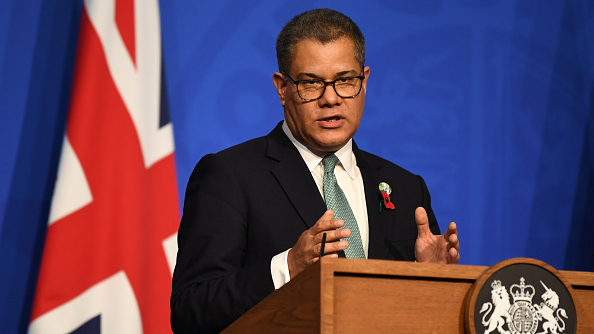
COP26 President Alok Sharma put India and China on the spot over the wording of the clause on the ban on coal. India lobbied for the language change in the communique from “phase out” to “phase down,” which was backed by China and other coal-reliant developing nations. This is a sensible proposal because countries that have been heavily dependent on coal in the last few decades cannot simply wake up one day and close all systems that depend on fossil fuels.


ADVERTISEMENT

It is a divide-and-rule tactic aimed at intimidating and isolating the two countries from their counterparts in the developing world. It was most definitely meant to dissuade them from forming a coalition of countries that might feel shortchanged by some of the agreements to fight climate change, both current and past.

It also acts as a distraction from the real historical culprits, who have left scorched earth in several resource-rich but still poor countries after exploiting their raw materials, exposing them to grave environmental degradation.

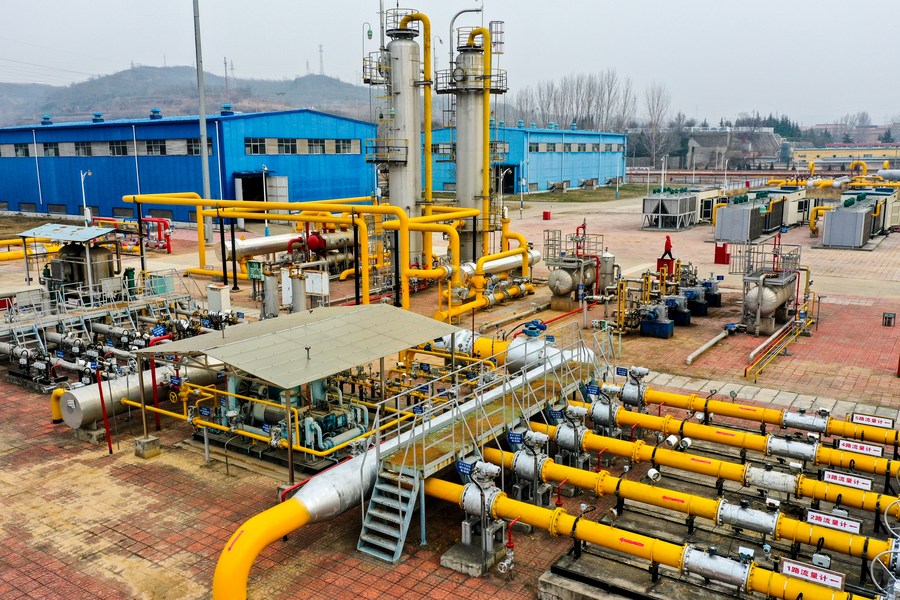
China and India are the leading coal-producing countries in the world at 3.7 billion tonnes and 783 million tonnes, respectively. In 2020, China’s coal use accounted for 56.8 percent of its total energy consumption.
According to a November 10 article published by Paul Driessen on The Heartland Institute’s website titled “Lethal carbon-imperialism in Glasgow and DC,” climate alarmists intend to keep poor nations energy-deprived, impoverished, jobless and dying. He was referring to the fact that the transition to green energy will require massive amounts of metals, minerals, other materials and, of course, time.

The immediate withdrawal of coal would affect millions of livelihoods in developing countries, those who depend on coal either directly in the coal mines or in industries that use coal energy. Over one-third of global electricity is produced by coal, which is the highest share of all fuels. It will take at least another decade to totally “phase out” coal economically. 

The above are facts that were deliberately not canvassed during the just-ended COP26 since the issues touch on the hitherto nerve center of the developed world’s economies whose production systems have now outgrown coal’s input. But it is selfish to deny developing countries affordable power, which is a major factor in industrialization.

Again, developed countries were still evasive about financing both climate change adaptation and mitigation measures. The United Nations Framework Convention on Climate Change termed their failure to commit to the $100 billion climate finance pledge to vulnerable economies as “disappointing.” Without this money, poor countries will continue to depend heavily on fossil fuel-based energy, which means carbon emissions reduction targets will remain a mirage in the near future.

But like in a few other things, China can make the U.S. keep to the straight and narrow by calling out its double standards. For starters, one of the outcomes of the summit was the two largest economies vowing to work together in addressing the scourge.

The U.S. must be made accountable to its climate commitments and made to show a clear road map of how it plans to meet its overall obligations. It is an issue that will definitely crop up during the upcoming virtual meeting between U.S. President Joe Biden and Chinese President Xi Jinping. 

The condescending attitude by the developed North toward the Global South goes beyond environmental issues. It is also pervasive in economic relations where the former and their Bretton Woods institutions dictate socioeconomic models. The geopolitical system has long been calibrated to suit the interests of a few to the detriment of the majority.

The answer to this bullying and betrayal would be closer cooperation between developing countries at regional, continental and global levels. Maybe there could even be better coal technologies that would curb much of the carbon emissions through more efficient burning.

Stephen Ndegwa is a Nairobi-based communication expert, lecturer-scholar at the United States International University-Africa, author and international affairs columnist.

Previous Post

South Africa is facing a ‘talent tsunami’, experts warn

Next Post

China: Tennis Body Calls for Probe into Peng Shuai’s Sex Assault Claims

SAT Reporter

Related Posts

LONG READ | The Oldest Alibi: South Africa’s Xenophobia and the Economic Ruin It Presages
Opinion

LONG READ | The Oldest Alibi: South Africa’s Xenophobia and the Economic Ruin It Presages

by Times Reporter
June 30, 2026
President Cyril Ramaphosa’s Opinion: How South Africa’s Natural Splendour Can Drive Inclusive Growth
Opinion

Op-Ed by President Ramaphosa | Protest Is Both a Right and a Responsibility

by Times Reporter
June 29, 2026
The Insurance Hack More Drivers Should Know
Opinion

The Insurance Hack More Drivers Should Know

by Times Reporter
June 22, 2026
Southern African Times Announces Brendan Amadi as Recipient of the 2026 Editorial Recognition of the Year Award
The Editorial Board

Southern African Times Announces Brendan Amadi as Recipient of the 2026 Editorial Recognition of the Year Award

by The Editorial Board
June 19, 2026
LONG READ | No Longer the World’s Dustbin: China’s Waste Ban and Africa’s Circular Economy Moment
Opinion

LONG READ | No Longer the World’s Dustbin: China’s Waste Ban and Africa’s Circular Economy Moment

by Times Reporter
June 12, 2026
Next Post
China: Tennis Body Calls for Probe into Peng Shuai’s Sex Assault Claims

China: Tennis Body Calls for Probe into Peng Shuai’s Sex Assault Claims

Browse by Category

  • Africa AI
  • African Continental Free Trade Area
  • African Debt
  • African Start ups
  • Agriculture
  • AI Africa
  • Algeria
  • All News
  • Analysis
  • Angola
  • Arts / Culture
  • Asia
  • Botswana
  • BOTSWANA
  • BREAKING NEWS
  • BRICS
  • Burkina Faso
  • Burundi
  • Business
  • Business
  • Business Wire
  • Cameroon
  • Central Africa
  • Chad
  • China
  • Climate Change
  • Climate Changev
  • Community
  • Congo Republic
  • Conservation
  • Côte d’Ivoire
  • COVID 19
  • CRYPTOCURRENCY
  • Culture
  • Democratic Republic of Congo
  • Diplomacy
  • Eastern Africa
  • Economic Development
  • Economy
  • Education
  • Egypt
  • Elections 2024
  • Energy
  • Entertainment
  • Environment
  • Eritrea
  • Ethiopia
  • Europe
  • Fashion
  • Feature
  • Finance
  • Financial Inclusion
  • Food
  • Food and Drink
  • Foods
  • GABON
  • Ghana
  • Global
  • Global Africa
  • Guinea
  • Health
  • Humanitarian Aid
  • Immigration
  • in Southern Africa
  • International news
  • International Relations
  • Investment
  • Ivory Coast
  • Just In
  • Kenya
  • Lesotho
  • Libya
  • Life Style
  • Lifestyle
  • Literature
  • Malawi
  • Malawi
  • Mali
  • Markets
  • Mauritius
  • Middle East
  • Mining in Africa
  • Morocco
  • Mozambique
  • Namibia
  • Niger
  • niger
  • Nigeria
  • North Africa
  • North-Eastern Africa
  • Obituaries
  • Obituary
  • Opinion
  • PARTNER CONTENT
  • Politics
  • Property
  • Racism
  • Rwanda
  • Rwanda
  • SADC
  • SAT Interviews
  • SAT Investigation
  • SAT Jobs
  • Saudi Arabia
  • Senegal
  • Seychelles
  • Somaliland
  • South Africa
  • South Sudan
  • Sports
  • Startup Africa
  • STOCK EXCHANGE
  • Sudan
  • Sustainability
  • Sustainablity
  • Tanzania
  • Technology
  • Telecommunications
  • The Editorial Board
  • The Power Of She
  • Togo
  • Trade
  • Travel
  • Travel
  • Tunisia
  • Uganda
  • Uncategorized
  • Wealth
  • West Africa
  • World
  • World
  • Zambia
  • ZAMBIA
  • ZIMBABWE
  • Zimbabwe

Browse by Tags

#NewsUpdate #SouthAfrica #SouthernAfricanTimes #TheSouthernAfricanTimes AfCFTA africa African Continental Free Trade Area African development African Development Bank African economies African economy African Union Agriculture Angola Botswana China Climate change critical minerals Cyril Ramaphosa Economic Development economic growth energy transition governance industrialisation Inflation Infrastructure Infrastructure Development International relations Investment Kenya Mozambique Namibia news Nigeria Regional Integration renewable energy Rwanda SADC South Africa Southern Africa sustainable development Tanzania United States Zambia Zimbabwe
ADVERTISEMENT

WHO WE ARE

The Southern African Times is a regional bloc digital newspaper that covers Southern African and world news. The paper also gives a nuanced analysis on news and covers a wide range of reporting which include sports, entertainment, foreign affairs, arts and culture.

Welcome Back!

Login to your account below

Forgotten Password?

Retrieve your password

Please enter your username or email address to reset your password.

Log In
  • Home
  • Southern Africa
  • Business
    • African Start ups
    • African Continental Free Trade Area
  • Technology
    • Lifestyle
      • Health
      • Culture
      • Food and Drink
      • Entertainment
  • Opinion
  • Sports
  • SAT Jobs
    • Events
  • About Us
    • Advertise with Us
    • Contact Us
Not enough quota to unlock this post
Unlock left : 0
Are you sure want to cancel subscription?