Rwanda, often referred to as the “Land of a Thousand Hills,” is experiencing a remarkable resurgence in its tourism industry, poised to return to pre-pandemic levels this year. Clare Akamanzi, the Chief Executive Officer of the Rwanda Development Board (RDB), unveiled these encouraging figures during the “Business of Conservation Conference” held in Kigali, a two-day event dedicated to “Building Resilient and Sustainable Wildlife Economies.”
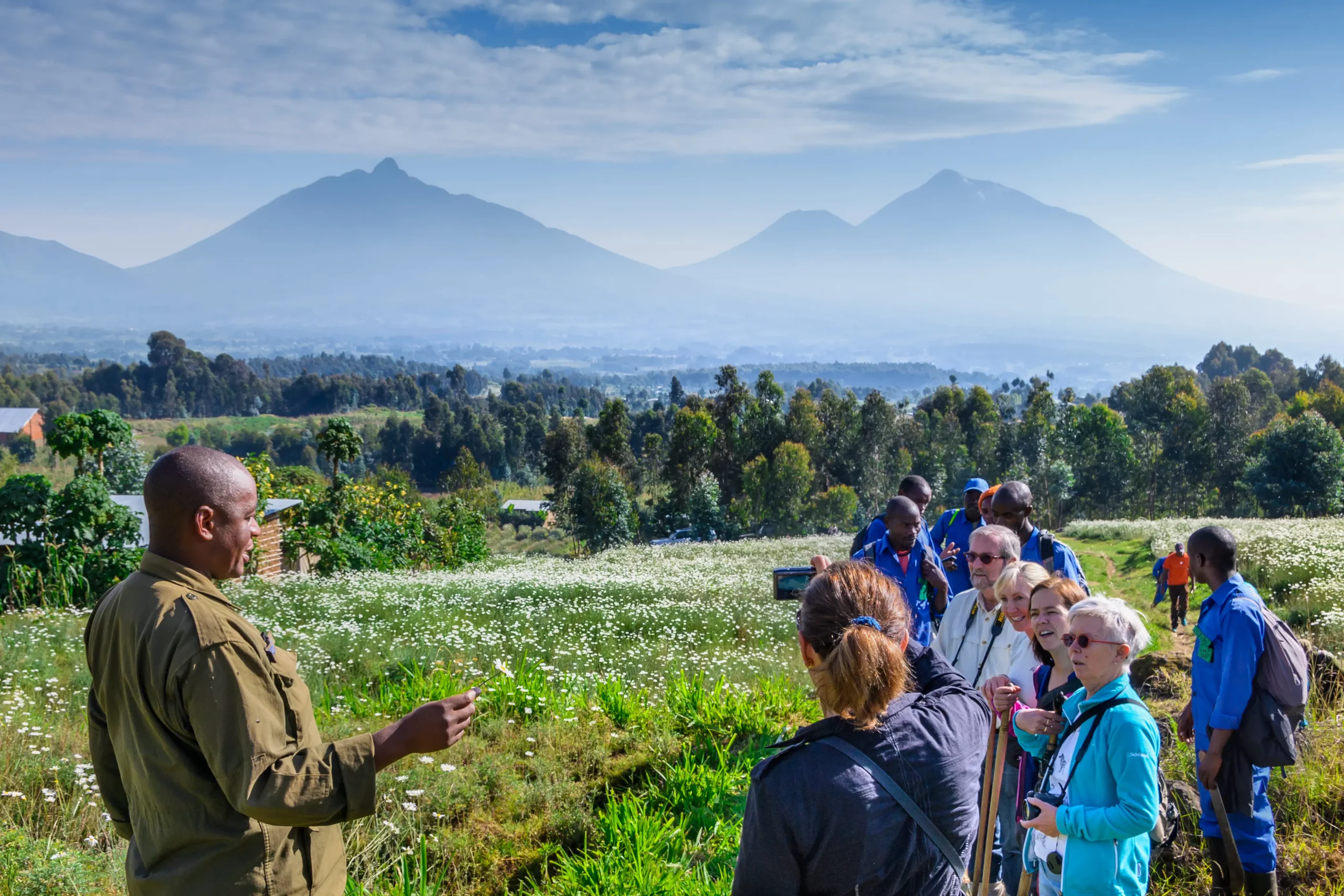
The half-year results revealed an impressive 56 percent growth in tourism compared to the same period last year. A standout contributor to this resurgence is gorilla tracking, which has seen a staggering 70 percent increase in visitors. These positive trends are a testament to the effectiveness of Rwanda’s focus on nature-based eco-tourism.
Before the pandemic, in 2019, Rwanda’s tourism sector generated $498 million in revenue. However, the COVID-19 crisis dealt a severe blow, with earnings plummeting to $121 million in 2020. By 2022, the country had made a significant recovery, with tourism bringing in $445 million, though still below pre-pandemic levels, according to data from the RDB.



Clare Akamanzi attributes this remarkable rebound to dedicated conservation efforts, which include the effective management of national parks and the preservation of natural landscapes. Rwanda’s commitment to conservation aligns with its broader vision of promoting eco-tourism as a key driver of economic growth and job creation in the country.

Indeed, nature-based tourism holds immense potential for Rwanda, not only in terms of revenue but also in the creation of employment opportunities. However, achieving this potential requires innovative strategies to secure resources beyond government budgets and foster greater private sector involvement in safeguarding natural assets and developing vital infrastructure. This advice comes from a recent economic report by the World Bank, underlining the importance of sustainable practices for Rwanda’s flourishing tourism sector.
As the country prepares for the annual gorilla naming ceremony, locally known as Kwita Izina, scheduled for Friday in the district of Musanze, it’s evident that Rwanda’s commitment to eco-tourism and conservation is not only revitalizing its tourism industry but also paving the way for a sustainable and prosperous future.