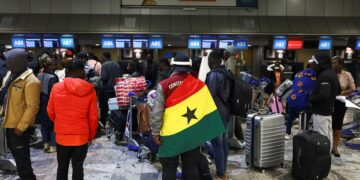
Zimbabwean authorities say nearly 100,000 citizens have returned home from South Africa following renewed tensions linked to anti migrant protests, with the government coordinating transport, humanitarian assistance and reintegration support for those affected.
According to Zimbabwe’s Minister of Information, Publicity and Broadcasting Services, Dr Zhemu Soda, 99,418 Zimbabweans were assisted to return between 28 May and 10 July 2026 through a coordinated programme involving government agencies, development partners and private sector actors. The figures were presented during a post Cabinet media briefing, where officials outlined measures aimed at supporting citizens arriving through border points and reception centres.
The reported returns come amid renewed tensions in parts of South Africa involving demonstrations targeting foreign nationals, a recurring issue that has affected migrant communities from across the African continent over several years. Zimbabwe, which has deep historical, economic and social links with South Africa, has responded by establishing mechanisms to support citizens seeking assistance to return.



The government said the majority of those returning are women and children, with more than 70 percent of returnees falling within these groups. Authorities have deployed 50 buses operated through Zimbabwe United Passenger Company to assist with transportation from South Africa to reception centres and onward journeys to communities across Zimbabwe.
The repatriation programme is being coordinated through an inter ministerial structure involving departments responsible for emergency preparedness, border management, health and social welfare. The initiative includes support at the Beitbridge Border Post, one of the busiest crossings in Africa, which serves as a major movement corridor for trade, tourism and family connections between the two countries.

Dr Soda said border agencies had introduced measures to improve the movement of returning citizens, with the Border Management Committee working alongside immigration officials, the Zimbabwe Revenue Authority, the Vehicle Inspection Department and ZimBorders to streamline processing for buses and trucks carrying returnees.
Humanitarian assistance has also been provided at reception centres, with the Ministry of Health and Child Care working alongside organisations including Médecins Sans Frontières and Higherlife Foundation to provide healthcare services.
Government officials said more than 191,000 people had accessed healthcare services during the response period, while 870 children were screened for malnutrition. Authorities also reported that 15 diarrhoea cases had been identified and treated.
The response has included support from various stakeholders, including a donation by Zimbabwe’s First Lady, Dr Auxillia Mnangagwa, following a visit to the Beitbridge Repatriation Centre. According to officials, the assistance included food supplies, clothing and sanitary materials intended to support people during their transition period.
While the immediate focus has been on safe transportation and humanitarian assistance, authorities have indicated that longer term reintegration will require economic opportunities and community based support. Many returnees have highlighted the need for employment opportunities and programmes that allow them to use skills gained while living abroad.
Migration between Zimbabwe and South Africa has historically been shaped by economic opportunities, family networks and regional labour movements. Millions of Southern Africans have moved across borders over generations, contributing to economies in neighbouring countries while maintaining links with their countries of origin.
The latest developments have renewed discussions across the region about the need for coordinated approaches to migration, including addressing economic pressures, protecting vulnerable communities and strengthening pathways for safe and dignified movement within Africa.
Zimbabwean officials said support measures would continue for citizens requiring assistance, while security agencies would maintain monitoring efforts to prevent irregular border crossings through unofficial routes.
The situation also highlights the interconnected nature of Southern Africa’s economies and societies, where migration remains a central feature of regional life rather than an isolated national issue. As governments respond to immediate humanitarian concerns, questions around employment, social protection and regional cooperation remain central to managing migration in a sustainable manner.