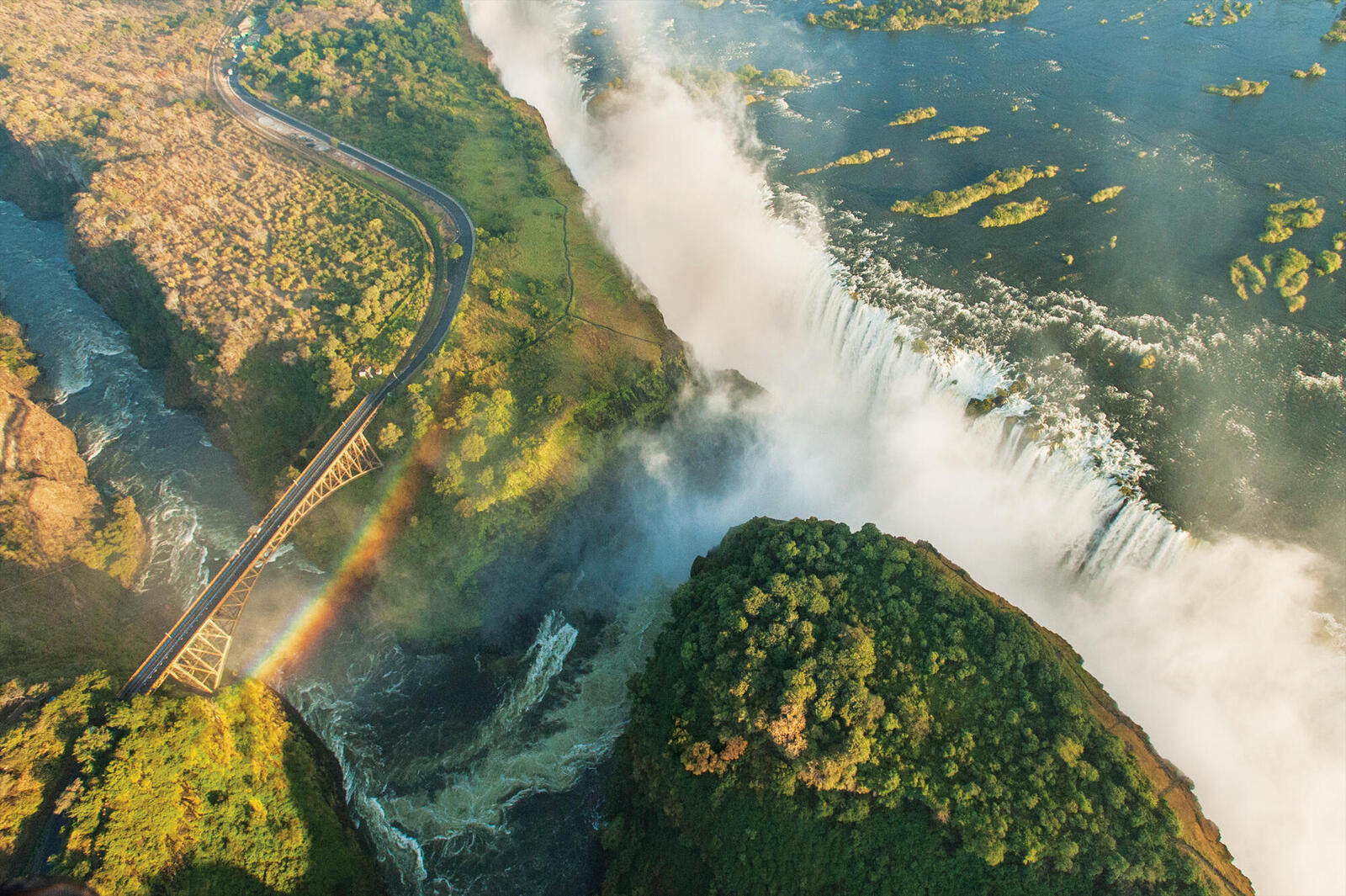
The World Wide Fund for Nature (WWF) has joined forces with the Zambian government to initiate two significant climate adaptation projects aimed at preserving the ecosystem along one of the nation’s major rivers and a national park.*
The initiatives, known as the Kafue Flats Climate Resilience and Adaptation project and the Kafue Flats Wildlife, Habitat, Health and Livelihood project, will be implemented over a five-year period at a cost of 9 million USD. The funding is provided by the Global Environment Facility (GEF), a multilateral environmental fund established in 1991, which supports projects related to biodiversity, climate change, international waters, and land degradation in developing countries.
Nalucha Nganga-Ziba, the WWF-Zambia country director, expressed her organisation’s honour at being chosen to collaborate with the government on these projects. The aim is to support communities in sustainable crop and livestock farming, as well as livestock conservation.



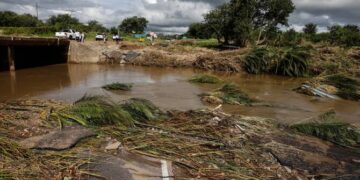
“With the recent severe drought, these needs have become even more urgent, with many communities’ crops failing, including in the Kafue Flats,” she remarked during the projects’ inception meeting. Nganga-Ziba noted that while adaptation efforts will commence in mid-2025, they will build upon the government’s drought relief efforts by enhancing communities’ long-term resilience to water scarcity. This will be achieved through the installation of boreholes and rooftop water harvesting systems.
Additionally, the projects will promote holistic rangeland management and mobilise resources to restore grazing lands for both livestock and wildlife.
Douty Chibamba, the permanent secretary in the Ministry of Green Economy and Environment, underscored the increasing importance of building the resilience of farming communities against future climate change impacts. He highlighted the ministry’s ongoing collaboration with WWF and other partners to design interventions addressing environmental challenges and enhancing ecosystem resilience.

Chibamba stated that the projects aim to adopt a transformational approach that not only preserves the ecosystem and wildlife habitats in the Kafue Flats but also enhances the adaptability and resilience of local communities. “The projects will operate at the landscape and ecosystem level, promoting a whole-of-society approach with active participation from all stakeholders, including local communities at various governance levels and across multiple sectors, to address climate change challenges collaboratively and comprehensively,” he said.
He further noted that these initiatives would bolster the government’s efforts to promote biodiversity conservation, sustainable land management, and improve people’s resilience to climate change.