Saturday, April 25, 2026
  • Login
The Southern African Times
  • Home
  • Southern Africa
  • Business
    • African Start ups
    • African Continental Free Trade Area
  • Technology
    • Lifestyle
      • Health
      • Culture
      • Food and Drink
      • Entertainment
  • Opinion
  • Sports
  • SAT Jobs
    • Events
  • About Us
    • Advertise with Us
    • Contact Us
No Result
View All Result
  • Home
  • Southern Africa
  • Business
    • African Start ups
    • African Continental Free Trade Area
  • Technology
    • Lifestyle
      • Health
      • Culture
      • Food and Drink
      • Entertainment
  • Opinion
  • Sports
  • SAT Jobs
    • Events
  • About Us
    • Advertise with Us
    • Contact Us
No Result
View All Result
The Southern African Times
No Result
View All Result
Home Finance

Women’s economic empowerment critical for sustainable post-Covid recovery

by SAT Reporter
April 30, 2021
in Finance, International news, Just In
0
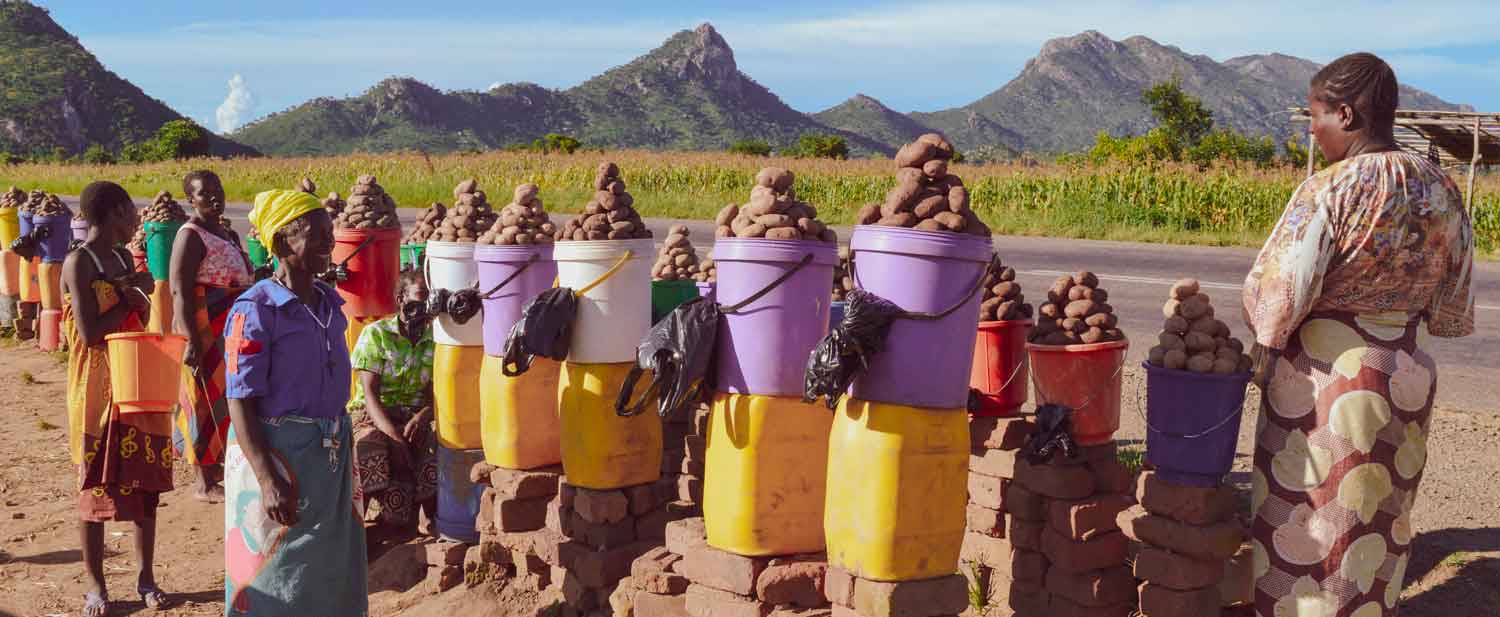
Women’s economic empowerment critical for sustainable post-Covid recovery

(The Southern African Times) – African women are still disproportionately affected by poverty, and the coronavirus pandemic is exacerbating gender inequalities, according to new African country gender profiles developed by the African Development Bank.

The profiles also found that gender stereotypes are present in most countries and have a negative impact on women’s lives and livelihoods. Some of these impacts include a rise in gender-based violence, the heightened load of unpaid work and loss of livelihoods due to over-representation in the informal sector. The profiles call for gender issues to be prioritized in the Covid-19 recovery processes.

The Bank released country gender profiles for Burkina Faso, Malawi, Niger and Chad, which examine the state of gender equality in each designated country and provide concrete recommendations for governments, the Bank and development partners to accelerate gender equality in key sectors. The country gender profiles were prepared in collaboration with the Bank’s Regional Member Countries, civil society organizations and development partners like UN Women.


ADVERTISEMENT

“The country gender profiles aim to spark dialogue and support evidence-based reform on gender equality at national level. The profiles are a guide to inform development policy makers and enrich development programs to better address gender disparities,” said Vanessa Moungar, Director of the Bank’s Gender, Women and Civil Society Department.

Despite the gloomy picture, the reports show that there has been improvement in African countries’ ability to address discriminatory laws and policies, and that the four countries covered in the publications have national gender policies and specific institutional mechanisms dedicated to gender equality.

Some highlights from the country gender profiles include:

  • Burkina Faso: In the informal sector, women’s enterprises dominate trade (65.4%). Women engaged in cross-border trade have been particularly vulnerable financially due to border closures. The Burkina Faso gender profile recommends that case transfer programs are key to easing the financial burden and to helping women informal workers to sustain their income-generating activities.
  • Chad: Early marriage is very common and it is estimated that about 67% of girls are married before the age of 18, and 30% are married before the age of 15. Cases of early marriage are expected to rise due to school closures. The Chad gender profile recommends increased support to women’s associations/civil society to provide adequate support to girls and women.
  • Niger: The primary school completion rate is about 88% for boys compared to 73% for girls, and 59% for girls in rural areas. School and educational institution closures during epidemics tend to increase girl dropout rates. Girls are expected to take on domestic responsibilities, and their return to formal school may not be certain after the crisis. The Niger gender profile recommends crucial support to governments in order to roll out targeted programs to ensure all girls return to school.
  • Malawi: Women are far more likely not to be paid for their work compared to men. Specifically, 59% of women reported that they are not paid for their labour, compared to 26% of men. The pandemic exacerbated women’s unpaid workload. The Malawi gender profile suggests that enhanced dialogue is required to facilitate change of gender norms through men’s groups challenging the norms.

“Gender data and analysis are critical but remain limited, slowing the achievement of the gender agenda. These reports, we hope, will help address this important challenge,” said Amel Hamza, Division Manager for Gender and Women Empowerment at the Bank.

The Bank started country gender profiles in 2004, and the latest four publications in the series are part of the Bank’s rollout of its new Gender Strategy for 2021-2025: “Investing in Africa’s women to accelerate inclusive growth.”

Previous Post

ECOWAS suffered economic contraction in 2020 due to COVID-19: official

Next Post

Ghana cautions citizens about traveling to COVID-19 hotspots

SAT Reporter

Related Posts

Investors pledge over $1.3bn towards Zambia–Angola rail corridor
Investment

Investors pledge over $1.3bn towards Zambia–Angola rail corridor

by SAT Reporter
April 25, 2026
BII Targets £9billion to Boost Investment in Africa’s Frontier Markets
Finance

BII Targets £9billion to Boost Investment in Africa’s Frontier Markets

by SAT Reporter
April 25, 2026
TDB Restructures Ownership to Reinforce Multilateral Status in Global Debt Debate
Finance

TDB Restructures Ownership to Reinforce Multilateral Status in Global Debt Debate

by SAT Reporter
April 23, 2026
AfDB, European Stability Mechanism Sign Cooperation Pact
Finance

AfDB, European Stability Mechanism Sign Cooperation Pact

by SAT Reporter
April 17, 2026
Afreximbank Launches US$10bn Gulf Crisis Support Programme
Finance

Afreximbank Launches US$10bn Gulf Crisis Support Programme

by SAT Reporter
April 16, 2026
Next Post
Ghana cautions citizens about traveling to COVID-19 hotspots

Ghana cautions citizens about traveling to COVID-19 hotspots

Browse by Category

  • Africa AI
  • African Continental Free Trade Area
  • African Debt
  • African Start ups
  • Agriculture
  • AI Africa
  • Algeria
  • All News
  • Analysis
  • Angola
  • Arts / Culture
  • Asia
  • Botswana
  • BOTSWANA
  • BREAKING NEWS
  • BRICS
  • Burkina Faso
  • Burundi
  • Business
  • Business
  • Business Wire
  • Cameroon
  • Central Africa
  • Chad
  • China
  • Climate Change
  • Climate Changev
  • Community
  • Congo Republic
  • Conservation
  • Côte d’Ivoire
  • COVID 19
  • CRYPTOCURRENCY
  • Culture
  • Democratic Republic of Congo
  • Diplomacy
  • Eastern Africa
  • Economic Development
  • Economy
  • Education
  • Egypt
  • Elections 2024
  • Energy
  • Entertainment
  • Environment
  • Eritrea
  • Ethiopia
  • Europe
  • Fashion
  • Feature
  • Finance
  • Financial Inclusion
  • Food
  • Food and Drink
  • Foods
  • GABON
  • Ghana
  • Global
  • Global Africa
  • Guinea
  • Health
  • Immigration
  • in Southern Africa
  • International news
  • International Relations
  • Investment
  • Ivory Coast
  • Just In
  • Kenya
  • Lesotho
  • Libya
  • Life Style
  • Lifestyle
  • Literature
  • Malawi
  • Malawi
  • Mali
  • Markets
  • Mauritius
  • Middle East
  • Mining in Africa
  • Morocco
  • Mozambique
  • Namibia
  • Niger
  • niger
  • Nigeria
  • North Africa
  • North-Eastern Africa
  • Obituaries
  • Obituary
  • Opinion
  • PARTNER CONTENT
  • Politics
  • Property
  • Racism
  • Rwanda
  • Rwanda
  • SADC
  • SAT Interviews
  • SAT Investigation
  • SAT Jobs
  • Saudi Arabia
  • Senegal
  • Seychelles
  • Somaliland
  • South Africa
  • South Sudan
  • Sports
  • Startup Africa
  • STOCK EXCHANGE
  • Sudan
  • Sustainability
  • Sustainablity
  • Tanzania
  • Technology
  • Telecommunications
  • The Editorial Board
  • The Power Of She
  • Togo
  • Trade
  • Travel
  • Travel
  • Tunisia
  • Uganda
  • Uncategorized
  • Wealth
  • West Africa
  • World
  • World
  • ZAMBIA
  • Zambia
  • Zimbabwe
  • ZIMBABWE

Browse by Tags

#NewsUpdate #SouthAfrica #SouthernAfricanTimes #TheSouthernAfricanTimes AfCFTA africa African Continental Free Trade Area African development African Development Bank African economies African economy African Union Agriculture Angola Botswana Business China Climate change Cyril Ramaphosa Economic Development economic growth energy transition fiscal policy industrialisation Inflation Infrastructure Infrastructure Development International relations Investment Kenya Mozambique Namibia news Nigeria Regional Integration renewable energy Rwanda SADC South Africa Southern Africa sustainable development Tanzania United States Zambia Zimbabwe
ADVERTISEMENT

WHO WE ARE

The Southern African Times is a regional bloc digital newspaper that covers Southern African and world news. The paper also gives a nuanced analysis on news and covers a wide range of reporting which include sports, entertainment, foreign affairs, arts and culture.

Welcome Back!

Login to your account below

Forgotten Password?

Retrieve your password

Please enter your username or email address to reset your password.

Log In

  • Home
  • Southern Africa
  • Business
    • African Start ups
    • African Continental Free Trade Area
  • Technology
    • Lifestyle
      • Health
      • Culture
      • Food and Drink
      • Entertainment
  • Opinion
  • Sports
  • SAT Jobs
    • Events
  • About Us
    • Advertise with Us
    • Contact Us
Are you sure want to unlock this post?
Unlock left : 0
Are you sure want to cancel subscription?