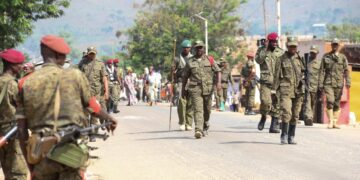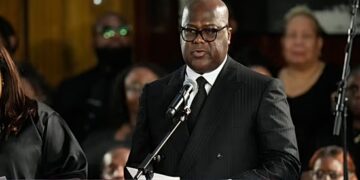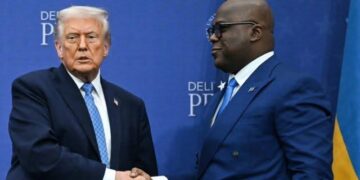
Fighting intensified in eastern Democratic Republic of Congo on Friday, casting fresh doubt over United States led efforts to stabilise one of Africa’s longest running conflicts, barely a week after Congolese and Rwandan leaders stood alongside President Donald Trump in Washington to reaffirm their commitment to peace.
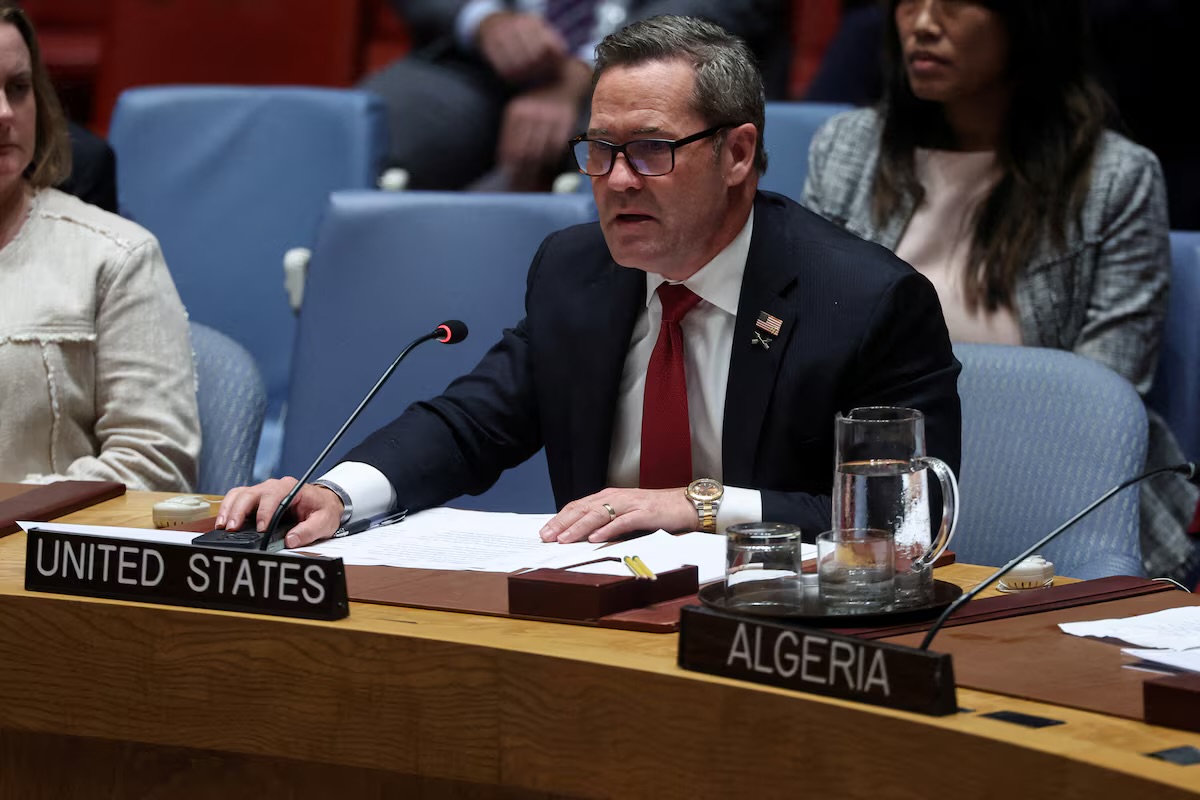
At an emergency meeting of the United Nations Security Council, the United States directly accused Rwanda of driving renewed instability through its alleged backing of the M23 rebel group, whose latest advance has pushed violence closer to the borders of neighbouring states and reignited fears of a regional war.
“Rwanda is leading the region towards increased instability and war,” said US Ambassador to the United Nations Mike Waltz, warning that Washington would use all available tools to hold those undermining peace accountable. His remarks marked one of the strongest public rebukes of Kigali by the Trump administration since it began brokering talks between Rwanda and Congo earlier this year.




The M23 group, widely believed by Western governments to be supported by Rwanda, has seized large swathes of territory in North and South Kivu since January. Its advance has displaced hundreds of thousands of civilians and brought the conflict to the doorstep of Burundi, which has maintained troops inside eastern Congo for years in support of Kinshasa.
Burundi’s ambassador to the UN, Zephyrin Maniratanga, issued a stark warning to the council, saying his country’s patience was wearing thin. “Restraint has its limits,” he said, adding that continued attacks could make it impossible to avoid direct confrontation between Burundi and Rwanda.
Rwanda has repeatedly denied backing M23 and rejected accusations that it is waging a proxy war in Congo. Addressing the council, Rwandan Ambassador Martin Ngoga accused Burundi of launching an attack on Rwandan territory and insisted Kigali had no intention of escalating the conflict. He also blamed Congolese forces for violating the ceasefire and said Rwanda remained committed to implementing the Washington peace deal signed in June.
Congo’s Foreign Minister, Therese Kayikwamba Wagner, took a far more confrontational tone, urging the Security Council to act decisively. She accused Rwanda of openly defying international norms and warned that continued inaction would entrench a culture of impunity. “We have reached a moment of truth,” she told diplomats. “Either the international order accepts being defied, or this council assumes its responsibility.”
The renewed violence comes despite high level diplomatic engagement by Washington, which Trump has touted as evidence of his administration’s peacemaking credentials. Analysts say the United States succeeded in halting a broader escalation earlier this year but failed to resolve the underlying drivers of the conflict, including armed group activity, ethnic tensions and competition over mineral rich territory.
M23 claims it is fighting to protect ethnic Tutsi communities in eastern Congo, a justification that has long fuelled mistrust between Kinshasa and Kigali. The group is not a signatory to the Washington agreement, complicating efforts to enforce the ceasefire on the ground.
Waltz said the United States was engaging all parties to urge restraint and avoid further escalation, including inflammatory rhetoric that could inflame ethnic tensions. Still, he acknowledged Washington’s deep frustration. “The United States is profoundly concerned and incredibly disappointed with the renewed outbreak of violence,” he said.
As fighting continues and diplomatic pressure mounts, the gap between commitments made in Washington and realities on the ground in eastern Congo appears to be widening, threatening to derail fragile hopes for peace in the Great Lakes region.