

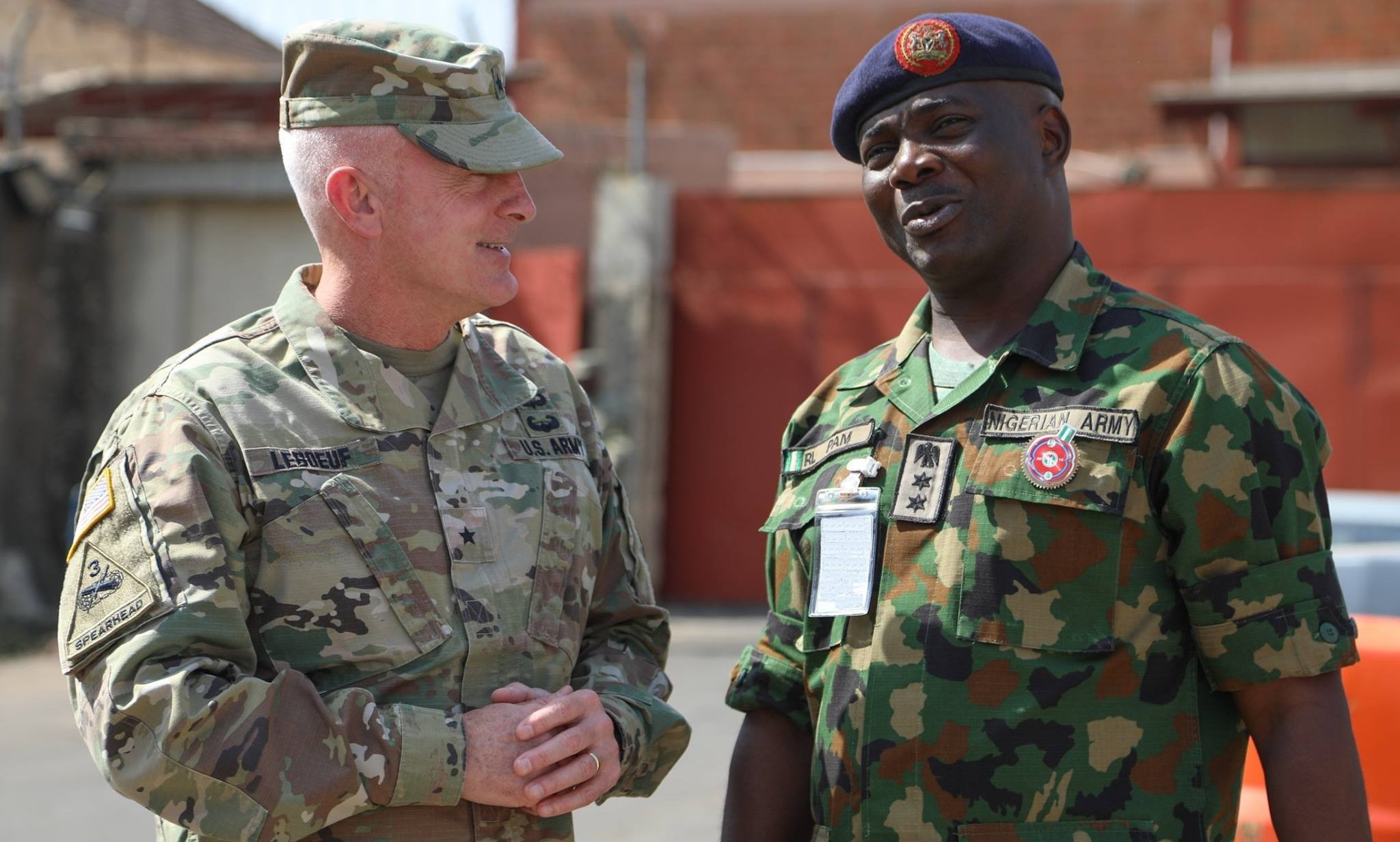
The United States has supplied Nigeria with essential military equipment in a move designed to reinforce the West African nation’s ongoing security operations, the United States Africa Command (AFRICOM) confirmed on Tuesday. The delivery, made in the Nigerian capital Abuja, reflects a continuing partnership between both countries in addressing shared regional security challenges.
AFRICOM stated via its official communication channel that the recent support was part of its commitment to “Nigeria’s ongoing operations” and underscored the shared goal of enhancing regional stability. While specific details of the equipment provided were not disclosed, the initiative forms part of a broader framework of collaboration between Washington and Abuja that includes intelligence sharing and strategic coordination.
Nigeria continues to face complex security threats, including a long-running Islamist insurgency in the northeast led by Boko Haram and Islamic State West Africa Province (ISWAP), alongside the growing menace of criminal gangs involved in kidnappings and rural banditry, particularly in the northwest. The partnership with the United States is seen as an effort to strengthen Nigeria’s ability to respond to these intersecting threats while improving operational capabilities across its armed forces.



Last month, AFRICOM confirmed that a United States airstrike in Sokoto State, conducted in coordination with Nigerian authorities, targeted Islamic State militants and resulted in the deaths of multiple fighters. Nigeria’s Ministry of Foreign Affairs later noted that the operation was part of an ongoing security cooperation effort that has involved joint intelligence gathering and tactical planning.
Reuters reported that the United States had been conducting intelligence-gathering flights over several Nigerian regions since late November, an indication of deepening cooperation on surveillance and counterterrorism operations. This approach aligns with broader U.S. engagement across the Sahel and West Africa, where instability has increasingly threatened local governance and regional cohesion.

While the delivery of military supplies reflects Nigeria’s strategic alignment with Western security partners, analysts have also called attention to the importance of regional solutions driven by African institutions. Observers argue that such collaborations must ultimately serve African priorities by empowering local security frameworks and addressing the socio-economic factors that sustain insecurity.
In the context of West Africa’s evolving security landscape, Nigeria’s partnership with the United States illustrates a complex but necessary balancing act. It reflects both the global dimension of counterterrorism efforts and the enduring need for African-led responses to the continent’s multifaceted security challenges.
The strengthening of Nigeria’s defence capabilities may not only aid in combating insurgencies but could also contribute to a broader regional dialogue on how Africa’s security partnerships can evolve toward greater autonomy and mutual respect.


