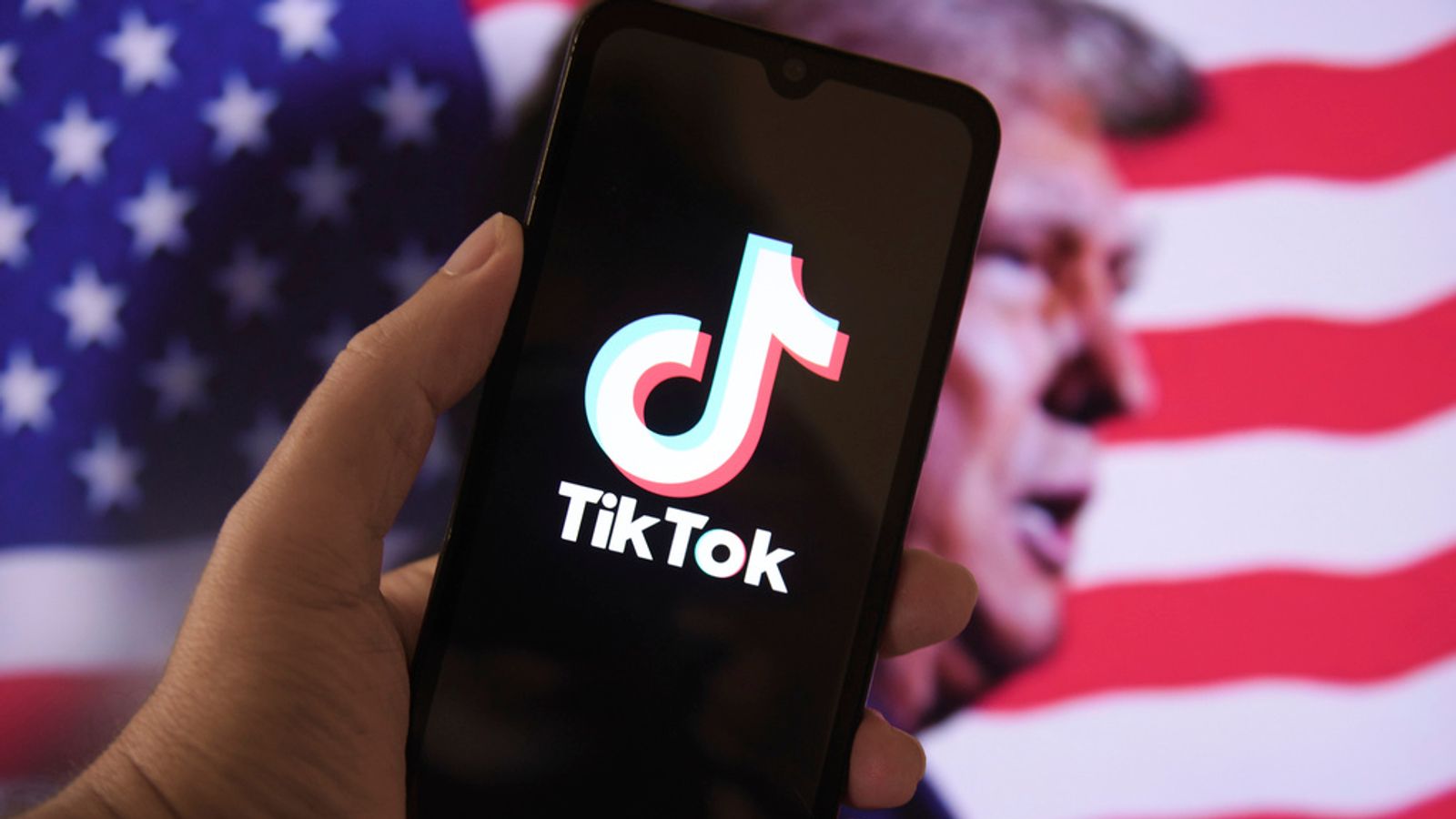
TikTok has begun reinstating its services in the United States following former President Donald Trump’s announcement of a temporary pause on the planned nationwide ban of the social media platform. The move marks a turning point in the tumultuous negotiations between the Chinese-owned app and the US government, which has repeatedly raised concerns about national security.
The US government’s stance on TikTok has been fraught with contention over its ownership by Beijing-based ByteDance. Washington has cited fears that user data could be accessed by the Chinese government, posing potential risks to national security. These concerns have led to a sequence of legal manoeuvres, executive orders, and proposed deals aimed at restructuring TikTok’s US operations to comply with security demands.
Former President Trump confirmed his decision to delay the ban on TikTok, which had been set to take effect imminently, during a press briefing. The announcement follows a flurry of discussions involving TikTok, the US Treasury Department, and prospective American stakeholders, including Oracle and Walmart, who were at the centre of proposals to address US concerns.



TikTok has already taken significant steps to secure its position in the US market. The company agreed to a framework for a partnership with Oracle, a leading American technology firm, that would oversee data management for US users. In addition, Walmart was slated to play a strategic role in bolstering TikTok’s e-commerce presence within the country. ByteDance maintained that these arrangements would satisfy US demands while ensuring the platform’s continued operation in one of its largest global markets.
Despite these developments, concerns remain over the transparency and enforceability of the proposed deal. Critics argue that the agreement, while addressing some US concerns, does not eliminate ByteDance’s ultimate ownership of TikTok. This has led some policymakers and analysts to question whether the arrangement adequately addresses potential security risks.
In his statement, Trump expressed cautious optimism, indicating that the proposed framework, if implemented correctly, could mitigate US concerns about data privacy and security. “If they get it done, that’s great. If they don’t, that’s fine too,” he remarked, adding that the deal was designed to establish clear boundaries between TikTok’s US operations and its parent company, ByteDance.
ByteDance, for its part, has repeatedly denied allegations of improper data handling and has insisted that the security of its users is a top priority. The company stated that it has implemented robust measures to protect data and that it has never shared information with the Chinese government. However, US officials, including those in the Trump administration, have remained sceptical, citing the Chinese government’s influence over companies based within its jurisdiction.

The delay of the ban has provided TikTok users and creators with a temporary reprieve, many of whom had expressed concern over the app’s potential unavailability in the US. TikTok has become a cultural phenomenon, particularly among younger users, with its innovative format driving the rise of content creators, influencers, and small businesses that rely on the platform to engage with audiences.
While the US government’s actions against TikTok have garnered widespread attention, they form part of a broader policy stance aimed at Chinese technology firms. The Trump administration has also targeted Huawei, citing similar concerns about data security and potential espionage. These measures reflect growing tensions between the United States and China, whose relationship has been characterised by escalating trade disputes, technological competition, and ideological differences.
The TikTok saga has highlighted the complexities of regulating technology in an increasingly globalised digital economy. Governments around the world are grappling with how to address concerns about data sovereignty, privacy, and national security without stifling innovation or access to global platforms. The case underscores the challenges of balancing these competing priorities in a rapidly evolving landscape.
It remains to be seen whether the delay in implementing the ban will lead to a long-term resolution or whether tensions will resurface as the Biden administration reviews its predecessor’s policies. For now, TikTok has regained its footing in the US market, but its future remains uncertain. Analysts suggest that a definitive resolution will require not only technical safeguards but also greater transparency and trust between the involved parties.
As TikTok resumes its operations, attention will likely shift to the execution of the proposed partnership and its implications for the broader tech industry. The outcome of this case could set a precedent for how governments engage with foreign-owned digital platforms in the future, shaping policies and regulations far beyond the borders of the United States.
This development also raises questions for other nations, including those in Southern Africa, which are navigating similar issues concerning the interplay of technology, national security, and global governance. As digital platforms continue to expand their influence, the need for effective, balanced regulatory frameworks has never been more pressing.
The TikTok-ByteDance-Oracle-Walmart saga serves as a microcosm of broader challenges facing the global digital economy. Its resolution, whether through cooperation or confrontation, will undoubtedly leave an indelible mark on the future of technology policy.