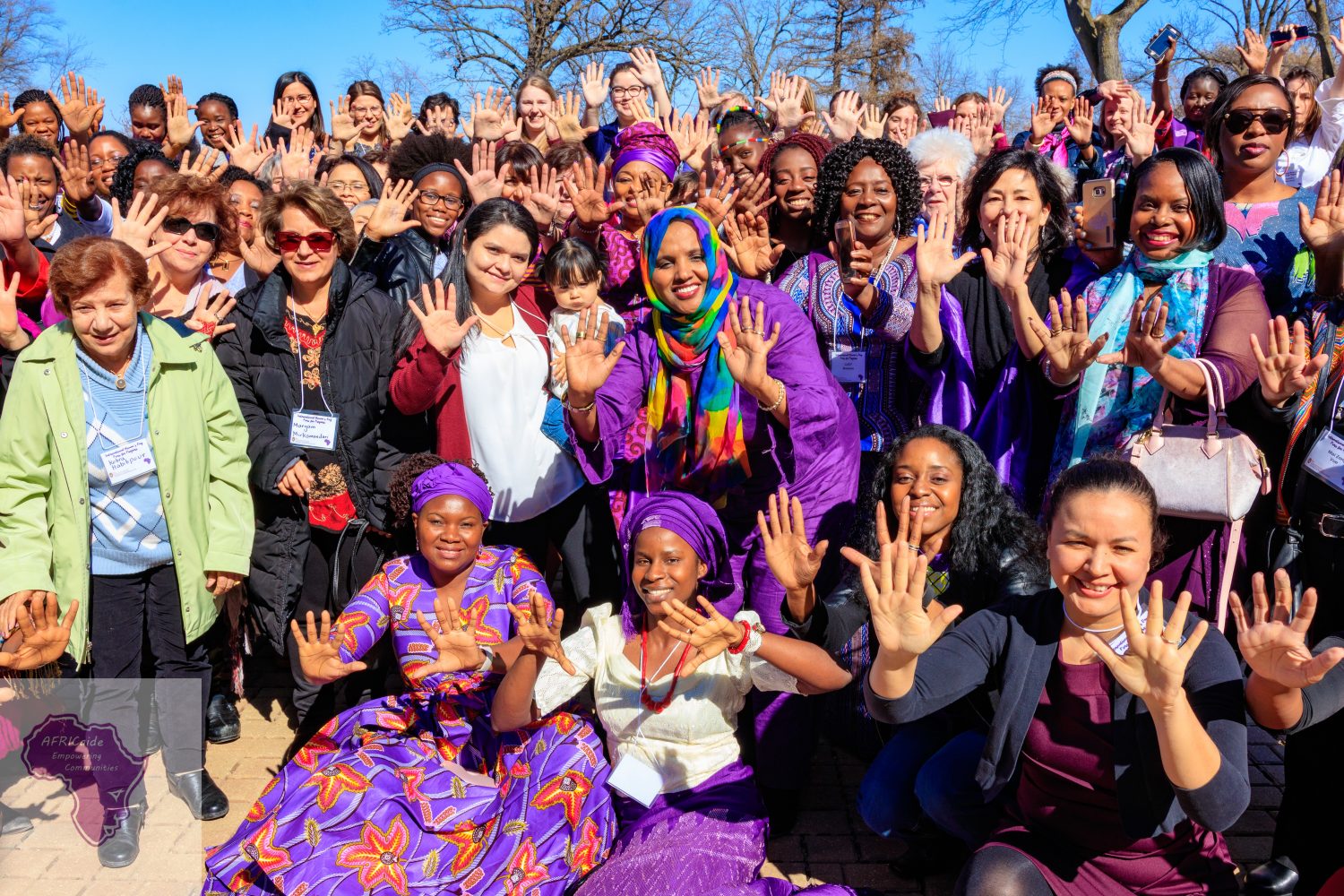
Every year on the 8th of March, the world pauses to commemorate International Women’s Day, a moment dedicated to recognising the social, economic, cultural and political achievements of women. Yet beyond celebration, the day calls for reflection. It reminds societies that the pursuit of gender equality is not complete. For Southern Africa, the significance of this day is particularly profound. The region has produced remarkable champions of women’s rights and empowerment, but it also continues to confront structural inequalities that limit the full participation of women in many spheres of life.
International Women’s Day represents more than a symbolic tribute. It is a call to examine how societies value the contributions of women and how institutions respond to the persistent barriers that women face. Across the globe, research has consistently demonstrated that empowering women is not only a matter of justice but also a cornerstone of sustainable development. When women are given equal access to education, leadership opportunities and economic participation, societies experience measurable gains in productivity, governance and social wellbeing.
Southern Africa offers compelling examples of progress. Over the past few decades, several countries in the region have adopted policies and frameworks designed to improve gender representation in public life. In South Africa, gender equality legislation and institutional reforms have helped increase the presence of women in political leadership and public administration. These measures have contributed to a broader recognition that women’s participation in governance strengthens democratic institutions and ensures that public policy reflects the needs of all citizens. Scholars have noted that the expansion of women’s representation in political and institutional structures has played a significant role in advancing gender-sensitive policies and promoting inclusive governance.



Nevertheless, the path toward equality remains uneven. Despite progressive policies and strong constitutional commitments, women across Southern Africa continue to face structural obstacles that limit their advancement. Studies examining leadership patterns within universities, corporations and public institutions reveal that women remain underrepresented in senior decision-making positions. The persistence of the so-called glass ceiling reflects deeper cultural, institutional and economic dynamics that cannot be resolved through legislation alone. Women frequently encounter barriers related to gender stereotypes, unequal access to networks and resources, and institutional cultures that continue to favour male leadership models.
Education has long been identified as one of the most powerful tools for advancing gender equality. Research across several Southern African countries demonstrates a clear relationship between gender parity in education and long-term economic growth. When girls and young women gain equal access to quality education, societies benefit from a more skilled workforce, stronger innovation capacity and improved social outcomes. Education also empowers women to participate meaningfully in civic and political life, enabling them to influence the policies and institutions that shape national development.
However, access to education does not automatically translate into equal opportunities in the labour market or leadership structures. Scholars emphasise that meaningful empowerment requires comprehensive institutional reforms. These include policies that promote equal employment opportunities, address wage disparities, strengthen protections against gender-based violence and create pathways for women to enter leadership roles across sectors. Without sustained commitment to such reforms, gender equality risks remaining an aspirational goal rather than a lived reality.
Across the region, women’s movements have played a critical role in sustaining the momentum for change. Civil society organisations, grassroots activists and advocacy groups have long championed gender justice, pushing governments and institutions to translate commitments into concrete action. Historical and contemporary research highlights the influence of these movements in shaping democratic reforms, influencing gender legislation and ensuring that women’s rights remain central to public discourse. Their work underscores an essential truth: progress toward equality is rarely achieved without sustained civic engagement and collective advocacy.
Another important dimension of the gender equality debate concerns the broader benefits of women’s leadership. Studies across multiple sectors show that institutions with diverse leadership structures tend to demonstrate stronger governance, more effective decision-making and greater innovation. Diversity in leadership brings varied perspectives to policy development and organisational management, enabling institutions to respond more effectively to complex social and economic challenges. In this sense, promoting women’s leadership is not merely about representation; it is about improving the quality and resilience of institutions themselves.
Yet while policies and research provide valuable insights, the transformation required for true gender equality must also occur within everyday social attitudes and cultural practices. Families, schools, workplaces and communities all shape the opportunities available to women and girls. A society that genuinely values equality must cultivate environments in which young girls grow up believing that their ambitions are valid, their voices matter and their leadership is both expected and welcomed.

International Women’s Day therefore invites both celebration and accountability. It is an opportunity to honour the remarkable contributions of women across Southern Africa while also acknowledging the challenges that remain. From entrepreneurs and educators to community leaders and policymakers, women continue to shape the region’s future in powerful and transformative ways.
As Southern Africa reflects on this International Women’s Day, the message is clear. Gender equality is not simply a women’s issue; it is a societal imperative that affects economic prosperity, democratic stability and social justice. Empowering women strengthens communities, improves governance and drives sustainable development.
The journey toward equality is ongoing, but the direction is unmistakable. The progress achieved so far demonstrates what is possible when societies commit to inclusion and fairness. The task now is to ensure that the promise of equality becomes a reality for every woman and girl across the region.
On this day of recognition and reflection, Southern Africa celebrates its women not only for what they have achieved, but for the future they continue to build.