In a disturbing IG reel, Pastor Joel Webbon stated he would opt for a white cardiologist because a Black one “probably had no business getting that medical degree anyway,” as he likely received a “free pass to med school.” This type of unfounded, damaging rhetoric has become a long-standing issue that plagues Black and immigrant professionals at large—reigniting recent narratives impacting healthcare. These stereotypes are not only false; they are deeply detrimental to people who have worked very hard to navigate a system that, quite frankly, places even more obstacles in their way.
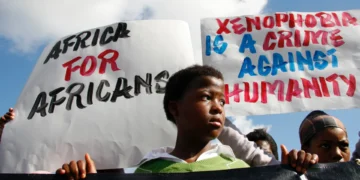
For Black and immigrant healthcare professionals, the pressure to “prove” their competence is a heavy burden. Their abilities and accomplishments are frequently undermined by assumptions that they are less qualified or that they received special treatment to reach their positions. This stereotype is not just a professional insult; it reflects racial and xenophobic biases that question the capability of those who do not fit the mold of what some consider the “ideal” professional. For Black professionals, especially those born abroad, these assumptions can be particularly painful.
Consider, for instance, the immigrant healthcare worker who not only faces skepticism about their qualifications due to the color of their skin but also contends with language barriers, accents, or foreign training. The challenges are twofold: being Black in a predominantly white field and being foreign-born in a profession that often undervalues international credentials and experiences. These professionals often face additional scrutiny, even though their medical training and expertise align with many of their peers. Yet, they are unfairly judged because they don’t fit the stereotype of what a successful doctor, nurse, or healthcare worker should look or sound like. This bias creates unnecessary hurdles for skilled individuals who are more than capable of excelling in their fields.



The destructive impact of biases against Black and immigrant professionals in healthcare is deeply concerning, not only on an individual level but also in terms of the broader system. Recent studies show that these professionals often face significant burnout and turnover due to the cumulative effects of discrimination and exclusion. For example, approximately 50% of healthcare workers experience burnout, with rates among minority and immigrant professionals being even higher due to added stressors such as racial bias, feelings of isolation, and fewer advancement opportunities. Overall, Black healthcare professionals experience a higher turnover rate because they face workplace discrimination more often; in such cases, their sense of professional belonging and satisfaction severely diminishes.
A report highlighted that 41% of nurses and 31% of clinical staff in healthcare expressed an intent to leave their jobs due to stress and burnout. Additionally, Black professionals are often underrepresented in leadership roles, with systemic barriers limiting their career growth. This burnout and turnover not only represent a personal loss for these professionals but also deprive the healthcare industry of skilled and diverse perspectives that could drive innovation and improve patient outcomes. The emotional toll of dealing with such persistent bias leads to deteriorating mental health, a decrease in self-esteem, and challenges in professional development (American Hospital Association, 2022).
The issue is further exacerbated by staffing shortages and work overload, particularly during and following the COVID-19 pandemic, which disproportionately affected underrepresented healthcare workers.
It is important to acknowledge the incredible achievements of Black and immigrant professionals, many of whom have had to work harder, sacrifice more, and overcome more obstacles to achieve success in the healthcare profession. The challenges they face due to racial and xenophobic bias should not exist in a field that is supposed to be about healing and saving lives. Yet, here we are, still confronting the same harmful stereotypes that suggest Black or immigrant professionals are somehow less capable.
To challenge these stereotypes and biases, it is crucial that we not only speak out against harmful rhetoric, like Pastor Webbon’s reel, but also seize opportunities to educate those who may be unaware or claim ignorance. It’s essential to emphasize the power of embracing differences, maintaining an open mind, and engaging with individuals from diverse backgrounds. Often, people are surprised to realize how much we share in common, and they may discover that every human being, regardless of race or ethnicity, has unique qualities and untapped potential. When given the right opportunities, all individuals can excel and contribute meaningfully. By creating healthcare environments that actively work to dismantle systemic racism and discrimination, we can ensure that every professional—regardless of race, ethnicity, or nationality—has the opportunity to thrive.
These stereotypes and biases have deep historical roots. The legacy of slavery and the Jim Crow era in the United States has had a profound impact on the experiences of Black Americans, while discriminatory immigration policies have marginalized and excluded immigrants from certain groups. These factors have contributed to the ongoing prejudice and discrimination faced by Black and immigrant healthcare professionals.

Addressing these deep-rooted issues requires systemic change and a commitment to equity and inclusion. Here are some potential solutions:
- Increase Diversity in Healthcare Education: Expand access to healthcare education for Black and immigrant students.
- Challenge Implicit Bias: Implement training programs to help staff identify and challenge implicit biases.
- Create Inclusive Work Environments: Foster a culture of inclusivity and respect within healthcare organizations.
- Advocate for Policy Change: Support policies that promote equity and inclusion in healthcare.
- Challenge Stereotypes in Media and Popular Culture: Promote positive representations of Black and immigrant healthcare professionals.
- Invest in Community-Based Programs: Support programs that provide healthcare services to underserved communities.
- Promote Mentorship and Sponsorship: Encourage mentorship and sponsorship programs to help Black and immigrant healthcare professionals advance in their careers.
Ultimately, the diversity of healthcare professionals should be celebrated, not diminished. Different perspectives, experiences, and backgrounds contribute to better patient care, stronger teams, and more innovation in the healthcare industry. Instead of casting doubt on the capabilities of Black and immigrant healthcare professionals, let’s recognize their contributions and work towards an inclusive future where they don’t have to prove their worth every day simply because of their skin color or accent.
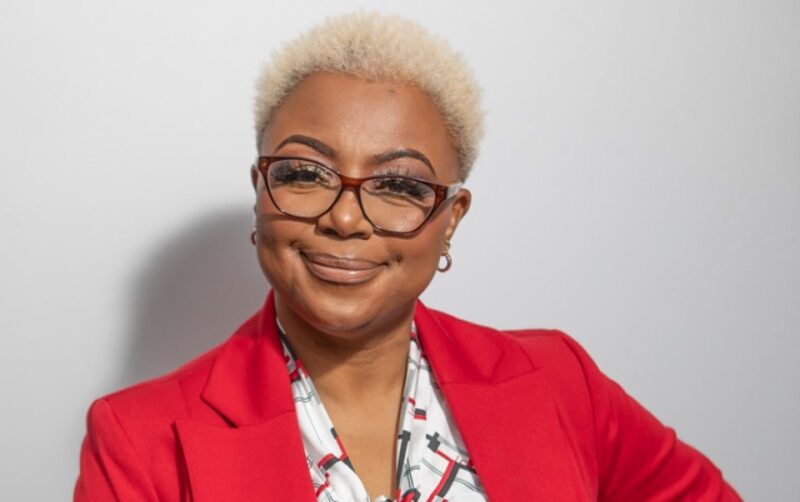
Written by Dr. Eunice B. Gwanmesia, PhD, MSN, MSM-HCA, RN, Founder & CEO of Eunity Solutions
DEIB Strategist and Nurse Educator. The article reflects the author’s opinions and not necessarily those of The Southern African Times.