Millions of individuals in Southern Africa are on the brink of acute hunger due to an unprecedented drought exacerbated by the El Niño phenomenon, the United Nations and its partners have warned. As the region heads into the next lean season from October to February, the outlook is dire.
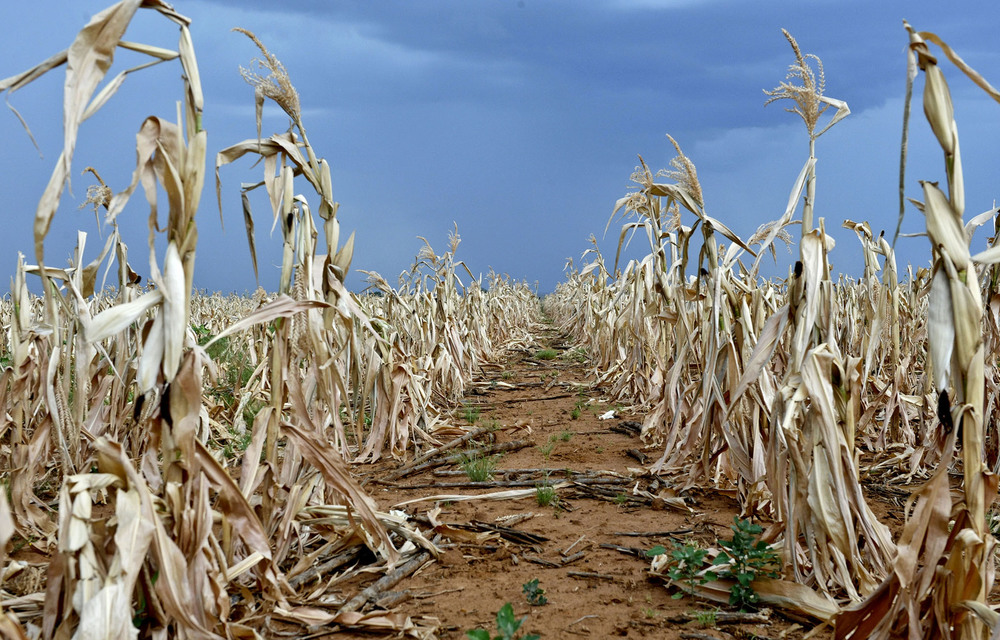
According to the UN Office for the Coordination of Humanitarian Affairs (OCHA), February was the driest month in a century, with only 20 percent of the usual rainfall recorded. This severe rainfall deficit is poised to lead to widespread harvest failures, placing millions at risk of acute food insecurity.
“Even before the drought, levels of food insecurity and humanitarian needs were alarmingly high,” stated the OCHA. “Socio-economic challenges, elevated food prices, and the cumulative impacts of the climate crisis have already strained the region’s resilience.”




The OCHA emphasised that the window of opportunity to avert a large-scale humanitarian catastrophe is rapidly closing. “It is urgent to provide humanitarian assistance and support communities in their recovery efforts and in building resilience for the future,” the office declared.
In response to the looming crisis, non-governmental organisations, regional and national authorities, and various humanitarian and development partners have issued a joint appeal. This follows a recent summit convened by the Southern African Development Community (SADC), where a regional appeal was launched last month, seeking $5.5 billion (USD) in aid. The funds are intended to support recovery efforts and bolster long-term climate resilience in the affected areas.
The El Niño weather pattern, characterised by the warming of sea surface temperatures in the central and eastern Pacific Ocean, has disrupted weather patterns globally. In Southern Africa, this has translated into prolonged dry spells and erratic rainfall, devastating agricultural outputs and livelihoods.
The socio-economic landscape of the region further complicates the crisis. High levels of poverty, political instability, and limited access to essential services exacerbate the vulnerability of the populations. The soaring food prices, driven by both local shortages and global market fluctuations, have made it increasingly difficult for families to secure adequate nutrition.
As the international community looks towards Southern Africa, the urgency of the situation cannot be overstated. The combination of climatic shocks and existing vulnerabilities presents a complex challenge that requires immediate and sustained intervention. Without prompt and comprehensive action, millions could face the harsh reality of hunger and malnutrition in the coming months.
The call to action is clear: global solidarity and swift mobilisation of resources are imperative to mitigate the impacts of this severe drought and to support the resilience and recovery of the affected communities. The future of millions in Southern Africa hinges on the response to this urgent appeal.