South Sudan announced that it has brokered a significant agreement with both the Sudanese Armed Forces (SAF) and the Rapid Support Forces (RSF) to secure operations at the Heglig oil field, a vital energy site located along the contested border between the two nations.
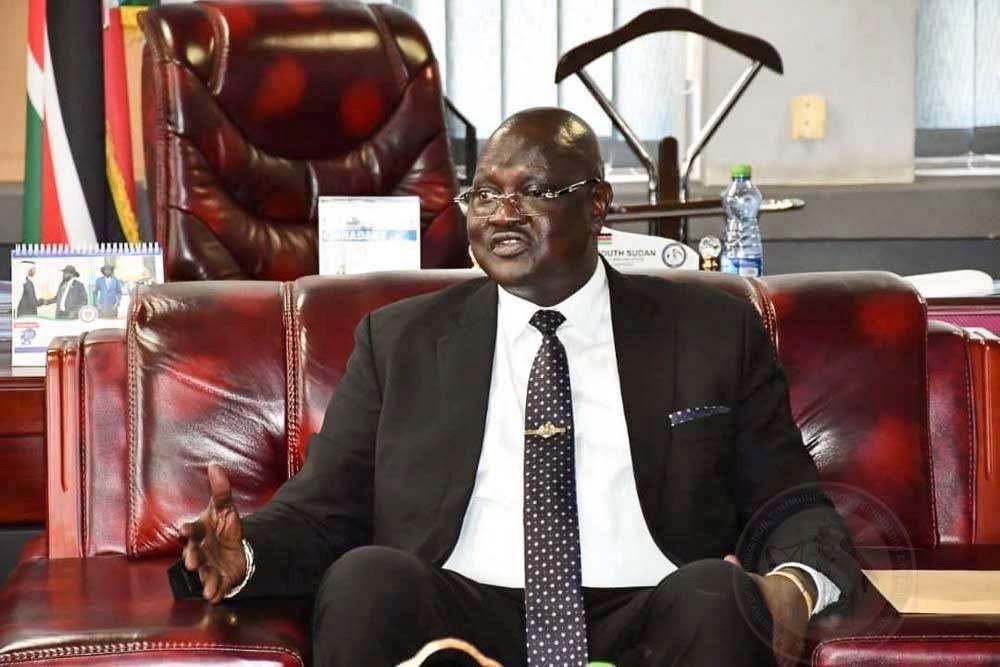
The accord, confirmed by South Sudan’s Minister of Information, Communication Technology and Postal Services, Ateny Wek Ateny, follows weeks of renewed clashes in Sudan’s South Kordofan region. According to the minister, representatives of the South Sudan People’s Defence Forces, the SAF, and the RSF reached a tripartite understanding to ensure the continued security and functionality of the Heglig oil field.
Ateny stated that Juba has consistently urged for a peaceful and diplomatic resolution to Sudan’s internal conflict since its eruption in April 2023. He further noted that South Sudan has been providing temporary refuge to Sudanese soldiers who retreated across the border into Unity State after the RSF seized the oil field.



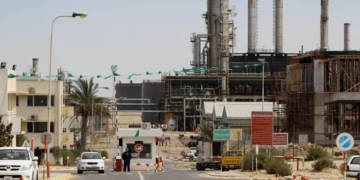
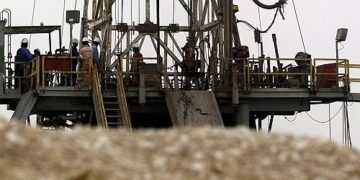
The announcement came days after the RSF declared that it had assumed full control of the Heglig oil-producing area following the withdrawal of government forces. The site, situated in the resource-rich Muglad Basin, remains central to both nations’ economies. Heglig contains an estimated 75 wells and essential infrastructure, including pipelines, storage tanks, and processing facilities that channel crude oil from South Sudan to Port Sudan for export.

“The Government of South Sudan regrets the renewed hostilities and calls on both parties to embrace ongoing regional and international mediation efforts,” Ateny said. He emphasised that continued fighting between the SAF and RSF has exacerbated the humanitarian crisis, displacing thousands of civilians into South Sudan and undermining efforts to stabilise the region.
Analysts note that the deal signals a rare moment of pragmatic cooperation amid one of Africa’s most entrenched conflicts. Since the outbreak of war between the SAF and RSF, regional actors including the African Union, the Intergovernmental Authority on Development (IGAD), and neighbouring countries have intensified diplomatic efforts to prevent further escalation. South Sudan’s role in facilitating dialogue underscores its growing importance as a mediator in the Horn of Africa, despite its own domestic challenges.
The conflict in Sudan has devastated infrastructure and disrupted vital oil flows that underpin both economies. Given that South Sudan’s economy is heavily reliant on oil revenues and its export routes run through Sudanese territory, stability in the Heglig region is essential for both nations.
Observers say the agreement reflects a shared recognition of mutual dependency. “Energy cooperation has historically been one of the few areas where both sides understand their intertwined fates,” said a regional policy expert based in Nairobi. “The safeguarding of Heglig could provide a foundation for broader negotiations if trust is sustained.”
While it remains uncertain how the agreement will be implemented, regional mediators view it as a constructive step toward de-escalation. The continuation of dialogue and adherence to the accord are expected to be monitored by South Sudanese and international observers.
As South Sudan reaffirms its commitment to a pan-African approach to conflict resolution, the Heglig agreement represents an attempt to reclaim African agency in addressing African crises. The focus, leaders say, must remain on protecting lives, restoring stability, and ensuring that Africa’s natural resources contribute to collective prosperity rather than perpetual division.