
Saturday, April 25, 2026
  • Login
The Southern African Times
  • Home
  • Southern Africa
  • Business
    • African Start ups
    • African Continental Free Trade Area
  • Technology
    • Lifestyle
      • Health
      • Culture
      • Food and Drink
      • Entertainment
  • Opinion
  • Sports
  • SAT Jobs
    • Events
  • About Us
    • Advertise with Us
    • Contact Us
No Result
View All Result
  • Home
  • Southern Africa
  • Business
    • African Start ups
    • African Continental Free Trade Area
  • Technology
    • Lifestyle
      • Health
      • Culture
      • Food and Drink
      • Entertainment
  • Opinion
  • Sports
  • SAT Jobs
    • Events
  • About Us
    • Advertise with Us
    • Contact Us
No Result
View All Result
The Southern African Times
No Result
View All Result
Home in Southern Africa

South Africa’s Licensing Stalemate with SpaceX Puts Starlink Rollout on Hold

by SAT Reporter
February 17, 2025
in in Southern Africa, South Africa
0
South Africa’s Licensing Stalemate with SpaceX Puts Starlink Rollout on Hold

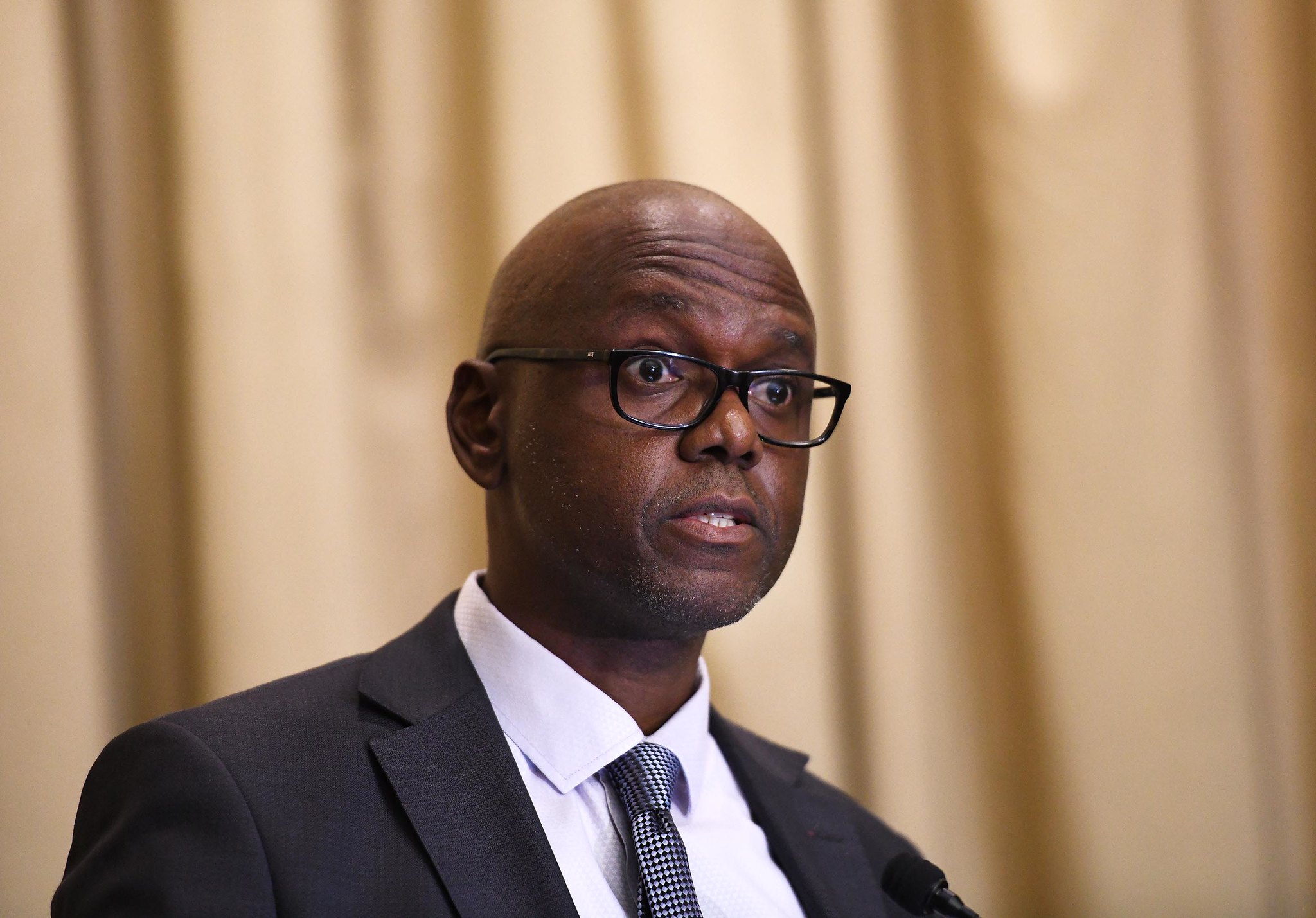
President Ramaposa's Spokesperson, Vincent Mangwenya

Negotiations between SpaceX and the South African government regarding the licensing of Starlink services have reached an impasse, delaying the company’s entry into the country’s telecommunications market. The discussions have stalled primarily due to regulatory requirements that mandate a minimum 30% local ownership by historically disadvantaged South Africans, a condition SpaceX has challenged.

The deadlock follows a public exchange in which Elon Musk, CEO of SpaceX, criticised South Africa’s ownership laws, referring to them as “openly racist.” His remarks have added to the ongoing debate over the country’s Black Economic Empowerment (BEE) policies and their impact on foreign investment.

South Africa’s telecommunications sector operates under a licensing framework designed to promote economic transformation and inclusion. One of its key provisions requires companies operating in the industry to have a minimum of 30% local ownership by historically disadvantaged individuals. This rule applies to all telecommunications providers, including satellite operators such as Starlink.

SpaceX, however, has raised concerns that this requirement makes it difficult for international companies to enter the market. Instead of direct shareholding transfers, the company has proposed an alternative model known as “equity equivalence,” which would allow it to contribute to South Africa’s socio-economic development through other means. This could include investments in infrastructure, skills development programmes, or other initiatives that align with the country’s transformation agenda.

The South African government has remained firm in its position, with President Cyril Ramaphosa’s spokesperson, Vincent Mangwenya reiterating that the country would not alter its policies solely to accommodate foreign investors. The government argues that local participation in high-value sectors such as telecommunications is necessary to ensure broader economic inclusivity. This approach has been a defining feature of South Africa’s post-apartheid economic strategy, aiming to redress historical disparities in ownership and access to economic opportunities.

Starlink’s proposed entry into South Africa has been highly anticipated, particularly in rural and underserved areas where internet access remains limited. The company’s satellite-based internet services have been praised for their ability to deliver high-speed connectivity to remote regions, an area in which South Africa has struggled to make significant progress. Many of the country’s rural communities continue to rely on outdated infrastructure, with limited broadband availability and unreliable service quality. The potential for Starlink to bridge this digital divide has therefore generated considerable interest among consumers and industry observers.

While Starlink has been rapidly expanding its footprint across Africa, securing approvals in countries such as Mozambique and Nigeria, South Africa’s regulatory framework has presented a unique challenge. The licensing requirements, which are among the strictest in the region, have created significant barriers for foreign companies seeking to operate in the country. Some industry analysts have suggested that South Africa’s approach may discourage foreign direct investment in its telecommunications sector, particularly as neighbouring countries adopt more flexible regulatory frameworks.

SpaceX’s decision to withdraw from public hearings on South Africa’s proposed new licensing framework further underscores the complexities of the negotiations. The company’s absence from these discussions signals its reluctance to engage with regulators under the current conditions, raising questions about whether it will pursue an alternative strategy or ultimately abandon its plans for the South African market. If SpaceX does decide to disengage entirely, it may reinforce perceptions that South Africa’s regulatory environment is challenging for foreign technology firms.

Despite the current stalemate, there is still potential for negotiations to resume if both parties can find common ground. Some industry experts have suggested that a compromise could be reached through a modified version of the equity equivalence model, allowing companies like SpaceX to make meaningful contributions to South Africa’s economy without requiring direct shareholding transfers. Such an approach could align with the government’s transformation objectives while also attracting foreign investment in critical sectors.

The demand for high-speed, reliable internet in South Africa continues to grow, driven by increasing digitalisation across industries and the need for improved connectivity in underserved areas. Whether the government’s commitment to its existing policies will outweigh the potential economic benefits of allowing Starlink to operate remains an open question. The outcome of this impasse may have broader implications for South Africa’s approach to foreign investment, particularly in the rapidly evolving technology sector.

For now, Starlink’s expansion into South Africa remains uncertain, caught between regulatory constraints and the country’s broader economic transformation agenda. The resolution of this issue will likely serve as a case study for future negotiations between multinational technology firms and governments seeking to balance local economic empowerment with global investment opportunities.


Tags: BEEbroadband accessConnectivitydigital divideDigital EconomyEconomic TransformationElon Muskforeign investmentICASAICT sectorinternet accessibilityinvestment regulationsrural internetsatellite internetSouth AfricaSpaceXStarlinkTechnology PolicyTelecommunicationstelecoms regulation
Previous Post

Fashion Without Borders: African and Diaspora Artists Make Bold Statements

Next Post

Land Reform or Land Alarm? How Zimbabwe Became South Africa’s Favourite Scarecrow

SAT Reporter

Related Posts

Tlou Energy Records First Revenue from Botswana’s Lesedi Gas Project
Botswana

Tlou Energy Records First Revenue from Botswana’s Lesedi Gas Project

by SAT Reporter
April 25, 2026
Angola Awards 72 Million Dollar Luanda Power Project
Angola

Angola Awards 72 Million Dollar Luanda Power Project

by SAT Reporter
April 25, 2026
Botswana launches 500 MW solar and battery project in Maun
Botswana

Botswana launches 500 MW solar and battery project in Maun

by SAT Reporter
April 25, 2026
South African Citrus Exports Sustain Middle East Supply Despite Shifting Maritime Routes
in Southern Africa

South African Citrus Exports Sustain Middle East Supply Despite Shifting Maritime Routes

by SAT Reporter
April 25, 2026
Zimbabwe’s Vice-President pitches investment re-rating to global markets
in Southern Africa

Zimbabwe’s Vice-President pitches investment re-rating to global markets

by SAT Reporter
April 23, 2026
Next Post
Land Reform or Land Alarm? How Zimbabwe Became South Africa’s Favourite Scarecrow

Land Reform or Land Alarm? How Zimbabwe Became South Africa’s Favourite Scarecrow

Browse by Category

  • Africa AI
  • African Continental Free Trade Area
  • African Debt
  • African Start ups
  • Agriculture
  • AI Africa
  • Algeria
  • All News
  • Analysis
  • Angola
  • Arts / Culture
  • Asia
  • Botswana
  • BOTSWANA
  • BREAKING NEWS
  • BRICS
  • Burkina Faso
  • Burundi
  • Business
  • Business
  • Business Wire
  • Cameroon
  • Central Africa
  • Chad
  • China
  • Climate Change
  • Climate Changev
  • Community
  • Congo Republic
  • Conservation
  • Côte d’Ivoire
  • COVID 19
  • CRYPTOCURRENCY
  • Culture
  • Democratic Republic of Congo
  • Diplomacy
  • Eastern Africa
  • Economic Development
  • Economy
  • Education
  • Egypt
  • Elections 2024
  • Energy
  • Entertainment
  • Environment
  • Eritrea
  • Ethiopia
  • Europe
  • Fashion
  • Feature
  • Finance
  • Financial Inclusion
  • Food
  • Food and Drink
  • Foods
  • GABON
  • Ghana
  • Global
  • Global Africa
  • Guinea
  • Health
  • Immigration
  • in Southern Africa
  • International news
  • International Relations
  • Investment
  • Ivory Coast
  • Just In
  • Kenya
  • Lesotho
  • Libya
  • Life Style
  • Lifestyle
  • Literature
  • Malawi
  • Malawi
  • Mali
  • Markets
  • Mauritius
  • Middle East
  • Mining in Africa
  • Morocco
  • Mozambique
  • Namibia
  • Niger
  • niger
  • Nigeria
  • North Africa
  • North-Eastern Africa
  • Obituaries
  • Obituary
  • Opinion
  • PARTNER CONTENT
  • Politics
  • Property
  • Racism
  • Rwanda
  • Rwanda
  • SADC
  • SAT Interviews
  • SAT Investigation
  • SAT Jobs
  • Saudi Arabia
  • Senegal
  • Seychelles
  • Somaliland
  • South Africa
  • South Sudan
  • Sports
  • Startup Africa
  • STOCK EXCHANGE
  • Sudan
  • Sustainability
  • Sustainablity
  • Tanzania
  • Technology
  • Telecommunications
  • The Editorial Board
  • The Power Of She
  • Togo
  • Trade
  • Travel
  • Travel
  • Tunisia
  • Uganda
  • Uncategorized
  • Wealth
  • West Africa
  • World
  • World
  • ZAMBIA
  • Zambia
  • Zimbabwe
  • ZIMBABWE

Browse by Tags

#NewsUpdate #SouthAfrica #SouthernAfricanTimes #TheSouthernAfricanTimes AfCFTA africa African Continental Free Trade Area African development African Development Bank African economies African economy African Union Agriculture Angola Botswana Business China Climate change Cyril Ramaphosa Economic Development economic growth energy transition fiscal policy industrialisation Inflation Infrastructure Infrastructure Development International relations Investment Kenya Mozambique Namibia news Nigeria Regional Integration renewable energy Rwanda SADC South Africa Southern Africa sustainable development Tanzania United States Zambia Zimbabwe
ADVERTISEMENT

WHO WE ARE

The Southern African Times is a regional bloc digital newspaper that covers Southern African and world news. The paper also gives a nuanced analysis on news and covers a wide range of reporting which include sports, entertainment, foreign affairs, arts and culture.

Welcome Back!

Login to your account below

Forgotten Password?

Retrieve your password

Please enter your username or email address to reset your password.

Log In

  • Home
  • Southern Africa
  • Business
    • African Start ups
    • African Continental Free Trade Area
  • Technology
    • Lifestyle
      • Health
      • Culture
      • Food and Drink
      • Entertainment
  • Opinion
  • Sports
  • SAT Jobs
    • Events
  • About Us
    • Advertise with Us
    • Contact Us
Are you sure want to unlock this post?
Unlock left : 0
Are you sure want to cancel subscription?
