

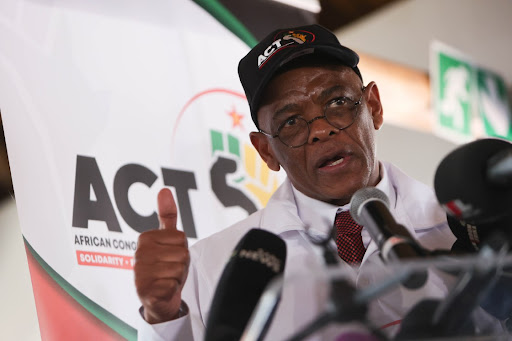
Former African National Congress (ANC) secretary general, Ace Magashule, recently announced the establishment of a new political party named the African Congress for Transformation (ACT). This comes just two months after Magashule’s expulsion from the ANC, following his conviction for violating the party’s constitution. The launch of ACT signals a significant development in the country’s political landscape, raising questions about the future direction of both the ANC and South Africa as a whole.
Magashule, a close ally of former president Jacob Zuma, addressed the media in Soweto, describing ACT as “a new ship for freedom.” He extended an invitation to all South Africans, particularly those who feel politically marginalized or disillusioned by the ANC. In his speech, Magashule criticized the perceived betrayal by leaders who once championed the nation’s cause, alleging that the people had been “sold out” for personal gain.
The timing of this announcement is noteworthy, given the ANC’s recent struggles with allegations of corruption and mismanagement. The party’s reputation has suffered, and it now faces competition from a splinter group led by one of its own former members. Magashule’s move adds fuel to the fire, particularly considering his own legal battles involving charges of corruption, fraud, and money laundering. These charges relate to the alleged misappropriation of public funds intended for asbestos removal from government-built homes.



Magashule has not shied away from his association with Zuma, another figure facing corruption charges, defending him as a victim of unjust persecution. This stance further emphasizes the growing divide within the ANC and exposes the ideological and strategic differences among its members.
While Magashule enjoys popularity among segments of the left-leaning electorate, his breakaway party’s success remains uncertain. The ANC’s legacy as a key player in South Africa’s fight against apartheid and its subsequent role in governing the nation since its first democratic elections in 1994 cannot be easily overshadowed. However, his claims of the ANC’s ideological shift towards the right and abandonment of its center-left stance raise pertinent questions about the party’s current trajectory.

It is worth noting that the launch of ACT has reportedly drawn in several former ANC members, although the official registration with South Africa’s electoral commission is still pending. This situation adds an element of unpredictability to the country’s future political landscape, as ACT’s potential impact on upcoming elections could be significant.
Ace Magashule’s establishment of the African Congress for Transformation marks a pivotal moment in South African politics. As the ANC grapples with internal strife and allegations of misconduct, the emergence of a new political contender underlines the shifting dynamics within the nation’s political arena. The impact of this development will undoubtedly be closely watched both domestically and internationally, as it has the potential to reshape South Africa’s political future.


