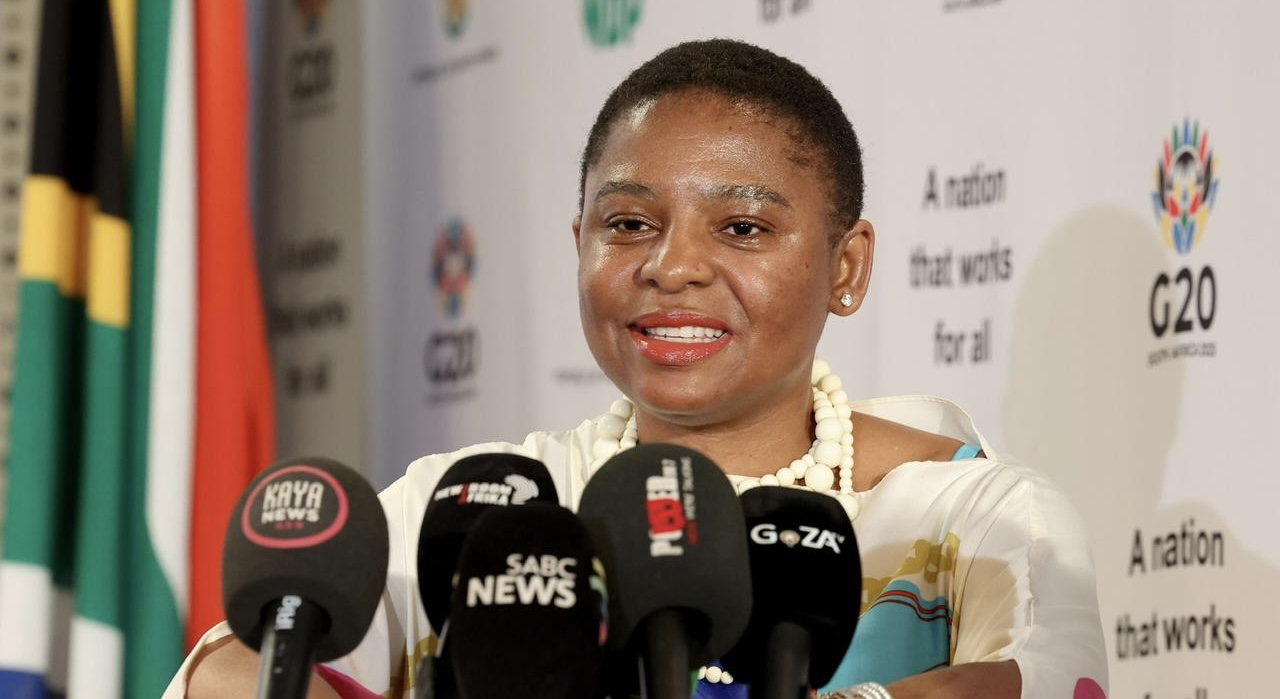
South Africa has taken a further step in formalising its approach to artificial intelligence governance, with Cabinet approving the publication of a draft national AI policy for public comment. The announcement, made by Minister in the Presidency Khumbudzo Ntshavheni, signals an attempt to position the country within a rapidly evolving global technological landscape while maintaining sensitivity to domestic and continental priorities.
According to the official statement reported by the South African Government News Agency, the draft policy is intended to ensure that both the benefits and risks associated with artificial intelligence are distributed equitably across society and across generations. This framing reflects ongoing debates within African policy circles about how emerging technologies can be aligned with developmental objectives rather than deepen existing inequalities.
The policy outlines six core pillars that are expected to guide implementation. These include capacity and talent development, AI for inclusive growth and job creation, responsible governance, ethical and inclusive AI, cultural preservation alongside international integration, and a human centred approach to deployment. Taken together, these pillars suggest a dual emphasis on economic participation and social accountability, recognising that technological adoption cannot be separated from broader questions of justice, identity and access.




Government has indicated that a phased approach will be adopted, acknowledging that both the opportunities and risks associated with AI vary across sectors such as healthcare, education, finance and public administration. This incremental strategy reflects wider international practice, where regulatory frameworks are often developed in tandem with technological uptake rather than imposed in advance.
Within a broader African context, South Africa’s draft policy contributes to a growing body of continental initiatives seeking to articulate locally grounded approaches to AI governance. The African Union and several regional bodies have in recent years emphasised the importance of data sovereignty, linguistic diversity and cultural representation in digital systems. In this regard, the inclusion of cultural preservation within the policy framework signals an awareness that AI systems trained predominantly on non African datasets may risk marginalising local knowledge systems and languages.
At the same time, the policy’s focus on international integration suggests an intention to remain engaged with global standards and markets. Balancing these imperatives remains a central challenge for many African states, which must navigate between participation in global digital economies and the protection of local interests.
The emphasis on skills development and job creation also reflects concern about the labour market implications of automation. While AI is frequently associated with productivity gains, its uneven impact on employment has prompted calls for proactive investment in education and reskilling. By foregrounding capacity building, the draft policy appears to align with a broader developmental agenda that views human capital as central to technological transformation.
The publication of the draft for public comment opens a period of consultation that may shape how these principles are translated into practice. Civil society organisations, academic institutions and private sector actors are expected to play a role in refining the framework, particularly in relation to ethical safeguards and accountability mechanisms.
As African countries continue to define their positions within the global AI ecosystem, South Africa’s draft policy illustrates both the opportunities and tensions inherent in this process. It reflects an attempt to move beyond passive adoption towards a more deliberate and contextually informed model of technological governance, one that situates innovation within the lived realities and aspirations of the continent.