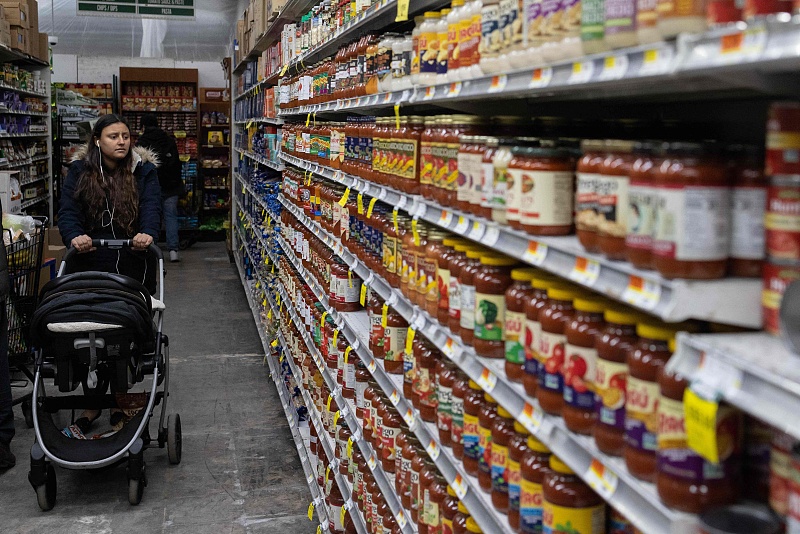
South Africa has consolidated its position as the continent’s largest supplier of packaged foods, with sales reaching $18.5 billion in 2024, according to figures reported by Business Insider Africa. The country’s performance reflects its robust food supply chains, a consolidated retail sector, and steady consumer demand.
In comparative terms, South Africa significantly outpaces Nigeria, Africa’s most populous nation, which recorded $4.7 billion in packaged food sales, and Kenya, which achieved $5.1 billion. Elsewhere on the continent, North African markets continue to expand, with Morocco and Egypt reporting $11.5 billion and $11.2 billion in sales respectively. These figures underscore the growing divergence between Africa’s established and emerging consumer markets, while simultaneously pointing to the continent’s untapped potential.
On the global stage, South Africa’s packaged food industry exceeds Thailand’s $17 billion and sits just behind Saudi Arabia, which leads at $25 billion. Analysts highlight the efficiency of South Africa’s retail infrastructure, particularly its integrated supermarket sector, which enables large-scale distribution and supports value-added strategies that enhance competitiveness.



However, this growth trajectory raises pressing concerns regarding public health. Research conducted in 2024 by the University of the Western Cape found that low-income South African adults derive 40% of their daily calories from ultra-processed foods (Frank et al., 2024). At the same time, only 7% meet the World Health Organization’s fruit and vegetable intake guidelines, while just 19% achieve the recommended fibre consumption. This dietary pattern contributes to a rising burden of obesity and non-communicable diseases, including diabetes, heart disease, and certain cancers (Balcha et al., 2025; Khan, 2021).

Public health researchers, such as Dr. Tamryn Frank, warn that the expansion of ultra-processed food consumption exacerbates existing health inequities while straining South Africa’s healthcare system. These concerns are not unique to South Africa but mirror broader continental and global dietary transitions that are reshaping food systems (Melse-Boonstra et al., 2025; Minten et al., 2024).
Policymakers have introduced measures to mitigate these risks. The Health Promotion Levy on sugary drinks, introduced in 2018, has already prompted manufacturers to reduce sugar content and has been linked to a measurable decline in the purchase of taxed beverages (Naidoo & Mwesigwa, 2025). Additionally, the National Department of Health has released a draft regulation for front-of-package warning labels, supported by empirical evidence from focus groups and randomised trials, which seeks to help consumers identify products high in sugar, salt, saturated fats, or containing non-sugar sweeteners.

The situation highlights a delicate policy balance: ensuring food security and affordability for low-income populations, while simultaneously discouraging dietary patterns that undermine long-term health outcomes. From a broader African perspective, South Africa’s experience illustrates the continent’s dual challenge of food system modernisation and public health protection (Amprako, 2024; Angarita-Díaz et al., 2024).
South Africa’s position as a continental leader in packaged foods therefore carries significance that extends beyond its borders. The country’s trajectory reveals both the opportunities presented by formalised food markets and the risks associated with rapid dietary change. As African nations collectively navigate these dynamics, lessons from South Africa’s regulatory and market interventions may inform policy pathways that reconcile growth, nutrition, and health in a rapidly transforming food economy (Clark et al., 2020; Alomari & Almoraie, 2025).