Wednesday, June 24, 2026
  • Login
The Southern African Times
  • Home
  • Southern Africa
  • Business
    • African Start ups
    • African Continental Free Trade Area
  • Technology
    • Lifestyle
      • Health
      • Culture
      • Food and Drink
      • Entertainment
  • Opinion
  • Sports
  • SAT Jobs
    • Events
  • About Us
    • Advertise with Us
    • Contact Us
No Result
View All Result
  • Home
  • Southern Africa
  • Business
    • African Start ups
    • African Continental Free Trade Area
  • Technology
    • Lifestyle
      • Health
      • Culture
      • Food and Drink
      • Entertainment
  • Opinion
  • Sports
  • SAT Jobs
    • Events
  • About Us
    • Advertise with Us
    • Contact Us
No Result
View All Result
The Southern African Times
No Result
View All Result
Home Finance

Senegal’s ex-finance minister becomes first African to head World Bank’s private sector unit

by SAT Reporter
February 19, 2021
in Finance, International news, Just In
0
Senegal’s ex-finance minister becomes first African to head World Bank’s private sector unit

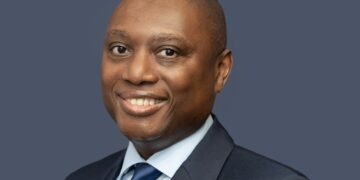
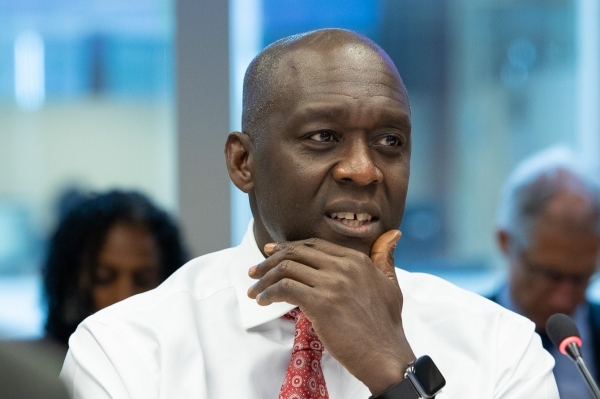
LONDON, (The Southern African Times) – The International Finance Corporation, the private sector arm of the World Bank, has appointed Makhtar Diop, a Senegalese former finance minister, as its managing director — the first time someone from Africa has headed the Washington-based institution. 

The appointment of Diop, currently the bank’s vice-president for infrastructure, follows that of Nigeria’s Ngozi Okonjo-Iweala as director-general of the World Trade Organization, completing a good month for African international diplomacy. The job of IFC chief has traditionally gone to a European.

David Malpass, president of the World Bank, described Diop as having “deep development and finance experience” in both the public and private sectors. “We need business climates and thriving businesses that attract investment, create jobs and foster the scaling up of low carbon electricity and transportation,” he said.


ADVERTISEMENT

Malpass was keen to appoint an African, according to people who know his thinking. Diop, already at the bank, is thought to have beaten outside candidates, including at least one African woman, people familiar with the process said.

Although the IFC invests in private companies, in the past decade it has more explicitly championed development goals, such as supporting sustainable agriculture, health and education.

The bank said Diop would push its strategy of “creating markets and mobilising private capital at significant scale” to further these aims. He would lead the IFC’s efforts to increase investments in businesses promoting green development and gender equality as well as in fragile and conflict-affected countries including Afghanistan, Syria and Somalia, it said.

Donald Kaberuka, former president of the African Development Bank, welcomed the appointment, saying the IFC had become far more involved in Africa since the turn of the century. Since 1995, it has quintupled its exposure to the continent from about 5 per cent of total loans to nearly 25 per cent.


“The IFC has done quite well in Africa, but in the post-Covid world it will need to shift gear,” Kaberuka said, adding that it should play a lead role in catalysing a business recovery. “The IDA [International Development Association] soft arm of the World Bank has to be replenished every four years but the IFC brings in the leveraging power with private capital markets and with de-risking instruments,” he said. 

The IFC often acts as an anchor investor in so-called blended finance investments, providing a degree of reassurance that helps projects and business attract private capital. 

The bank said that under Diop the IFC would aim to get involved earlier in the project development cycle. It has sometimes attracted criticism for funding projects belonging to well-established businesses in sectors such as hotels, rather than supporting investments that would otherwise struggle to attract funding. 

Aubrey Hruby, senior fellow at the Atlantic Council, said African nations had long constituted the largest voting block in many international institutions, but had rarely won leadership positions. “It is great to see this finally being reversed,” she added.

Diop was previously the World Bank’s vice-president for Africa and country director for Brazil, as well as for Kenya, Eritrea and Somalia.

Previous Post

Zimbabwe optimistic about 7.4% economic growth in 2021: Central Bank

Next Post

No return: Harry and Meghan make final split with British royal family

SAT Reporter

Related Posts

IMF warns Iran war fallout strains African economies
Finance

IMF warns Iran war fallout strains African economies

by Times Reporter
June 23, 2026
Standard Bank Signals Support for Dangote Refinery Listing
Finance

Standard Bank Signals Support for Dangote Refinery Listing

by Times Reporter
June 10, 2026
South African Financial System Remains Resilient Despite Global Shocks
Finance

South African Financial System Remains Resilient Despite Global Shocks

by Times Reporter
June 10, 2026
Standard Chartered Appoints Manus Costello as Chief Financial Officer
Finance

Standard Chartered Appoints Manus Costello as Chief Financial Officer

by SAT Reporter
May 18, 2026
Fitch Upgrades Ghana’s Sovereign Rating Following Fiscal Reforms
Finance

Fitch Upgrades Ghana’s Sovereign Rating Following Fiscal Reforms

by SAT Reporter
May 11, 2026
Next Post
No return: Harry and Meghan make final split with British royal family

No return: Harry and Meghan make final split with British royal family

Browse by Category

  • Africa AI
  • African Continental Free Trade Area
  • African Debt
  • African Start ups
  • Agriculture
  • AI Africa
  • Algeria
  • All News
  • Analysis
  • Angola
  • Arts / Culture
  • Asia
  • Botswana
  • BOTSWANA
  • BREAKING NEWS
  • BRICS
  • Burkina Faso
  • Burundi
  • Business
  • Business
  • Business Wire
  • Cameroon
  • Central Africa
  • Chad
  • China
  • Climate Change
  • Climate Changev
  • Community
  • Congo Republic
  • Conservation
  • Côte d’Ivoire
  • COVID 19
  • CRYPTOCURRENCY
  • Culture
  • Democratic Republic of Congo
  • Diplomacy
  • Eastern Africa
  • Economic Development
  • Economy
  • Education
  • Egypt
  • Elections 2024
  • Energy
  • Entertainment
  • Environment
  • Eritrea
  • Ethiopia
  • Europe
  • Fashion
  • Feature
  • Finance
  • Financial Inclusion
  • Food
  • Food and Drink
  • Foods
  • GABON
  • Ghana
  • Global
  • Global Africa
  • Guinea
  • Health
  • Humanitarian Aid
  • Immigration
  • in Southern Africa
  • International news
  • International Relations
  • Investment
  • Ivory Coast
  • Just In
  • Kenya
  • Lesotho
  • Libya
  • Life Style
  • Lifestyle
  • Literature
  • Malawi
  • Malawi
  • Mali
  • Markets
  • Mauritius
  • Middle East
  • Mining in Africa
  • Morocco
  • Mozambique
  • Namibia
  • Niger
  • niger
  • Nigeria
  • North Africa
  • North-Eastern Africa
  • Obituaries
  • Obituary
  • Opinion
  • PARTNER CONTENT
  • Politics
  • Property
  • Racism
  • Rwanda
  • Rwanda
  • SADC
  • SAT Interviews
  • SAT Investigation
  • SAT Jobs
  • Saudi Arabia
  • Senegal
  • Seychelles
  • Somaliland
  • South Africa
  • South Sudan
  • Sports
  • Startup Africa
  • STOCK EXCHANGE
  • Sudan
  • Sustainability
  • Sustainablity
  • Tanzania
  • Technology
  • Telecommunications
  • The Editorial Board
  • The Power Of She
  • Togo
  • Trade
  • Travel
  • Travel
  • Tunisia
  • Uganda
  • Uncategorized
  • Wealth
  • West Africa
  • World
  • World
  • ZAMBIA
  • Zambia
  • Zimbabwe
  • ZIMBABWE

Browse by Tags

#NewsUpdate #SouthAfrica #SouthernAfricanTimes #TheSouthernAfricanTimes AfCFTA africa African Continental Free Trade Area African development African Development Bank African economies African economy African Union Agriculture Angola Botswana China Climate change Cyril Ramaphosa Economic Development economic growth energy transition Ghana governance industrialisation Inflation Infrastructure Infrastructure Development International relations Investment Kenya Mozambique Namibia news Nigeria Regional Integration renewable energy Rwanda SADC South Africa Southern Africa sustainable development Tanzania United States Zambia Zimbabwe
ADVERTISEMENT

WHO WE ARE

The Southern African Times is a regional bloc digital newspaper that covers Southern African and world news. The paper also gives a nuanced analysis on news and covers a wide range of reporting which include sports, entertainment, foreign affairs, arts and culture.

Welcome Back!

Login to your account below

Forgotten Password?

Retrieve your password

Please enter your username or email address to reset your password.

Log In
  • Home
  • Southern Africa
  • Business
    • African Start ups
    • African Continental Free Trade Area
  • Technology
    • Lifestyle
      • Health
      • Culture
      • Food and Drink
      • Entertainment
  • Opinion
  • Sports
  • SAT Jobs
    • Events
  • About Us
    • Advertise with Us
    • Contact Us
Not enough quota to unlock this post
Unlock left : 0
Are you sure want to cancel subscription?