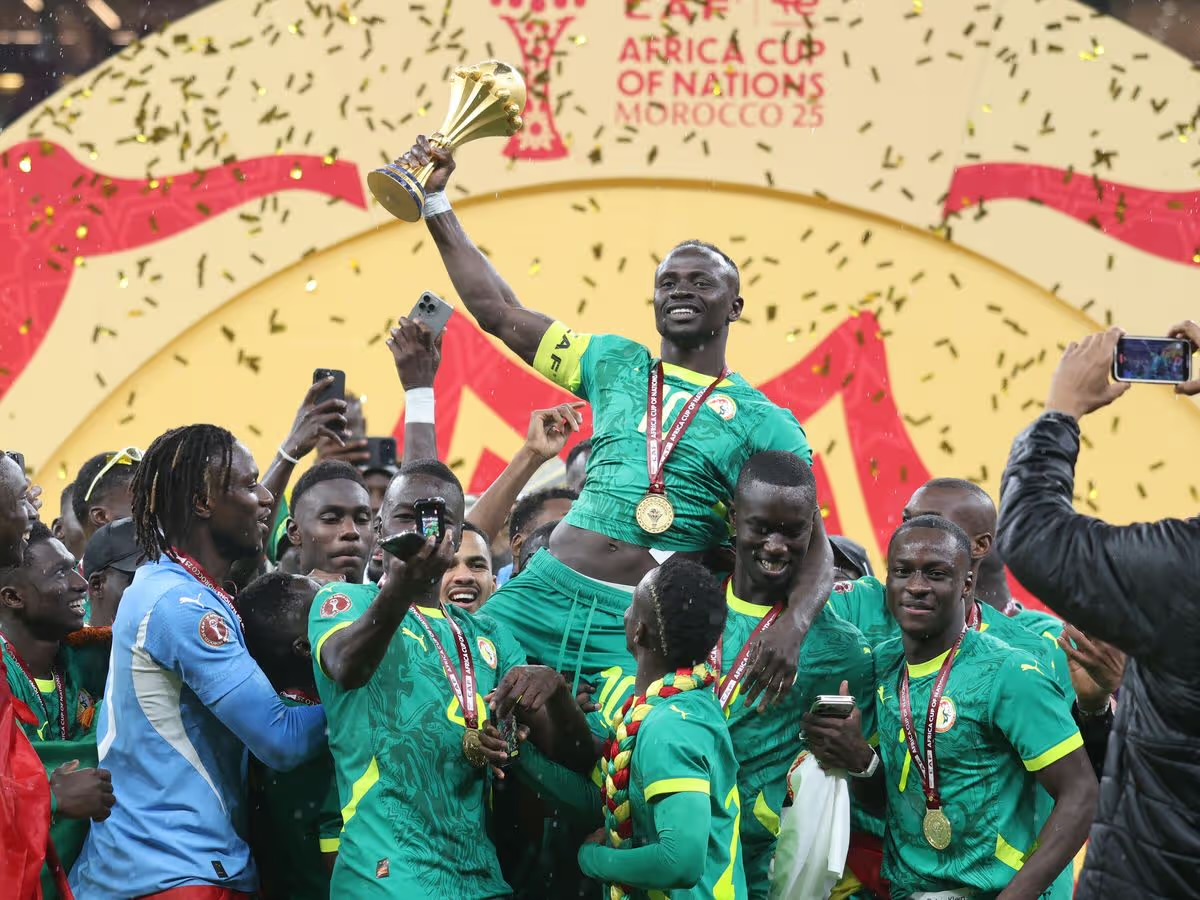
Senegal has formally expressed strong opposition to a ruling by the Confederation of African Football which stripped the country of its 2025 Africa Cup of Nations title and reassigned it to Morocco, in a decision that has prompted significant debate across the continent about governance, due process and the integrity of sporting institutions.
In a statement issued in Dakar, Senegal’s government described the decision by CAF’s Appeal Board as unprecedented in the history of the competition and raised concerns about its consistency with principles of fairness and respect for outcomes determined on the field of play. The government indicated that it would pursue all available legal remedies, including recourse to international sports arbitration mechanisms, to challenge the ruling and seek reinstatement of the original result.
According to the Confederation of African Football, the decision was taken in application of Article 84 of the Africa Cup of Nations regulations. The Appeal Board determined that Senegal had forfeited the final, awarding Morocco a 3 0 result. Reports from multiple outlets, including France 24 and CBS Sports, indicate that the ruling relates to an alleged breach of competition regulations during the final, including circumstances that may have led to a forfeiture under CAF statutes.




The Senegalese Football Federation has confirmed that it will file an appeal with the Court of Arbitration for Sport in Lausanne, widely regarded as the highest authority in international sports dispute resolution. The federation characterised the ruling as both disproportionate and without precedent, signalling its intention to seek an expedited review.
Beyond the immediate legal challenge, the Senegalese authorities have called for an independent inquiry into governance processes within CAF, reflecting broader concerns about transparency and accountability in continental football administration. These concerns resonate within wider African sporting discourse, where questions of institutional credibility and procedural justice continue to shape public trust.
The development has elicited varied reactions across Africa, with some observers emphasising the importance of upholding regulatory frameworks to maintain order in competition, while others have cautioned against decisions that may appear to override results achieved on the pitch. The situation underscores the delicate balance between rules based governance and the symbolic weight of sporting achievement in African football cultures.
Morocco, now recognised by CAF as the official 2025 champions, has not publicly contested the decision. The reassignment of the title adds a complex chapter to the history of the tournament, one of the continent’s most unifying sporting events, which has long served as a platform for both competition and continental solidarity.
As the matter moves towards arbitration, its outcome may carry implications beyond the immediate parties, potentially influencing how disputes are handled in African football and how institutional legitimacy is negotiated in a rapidly evolving sporting landscape.