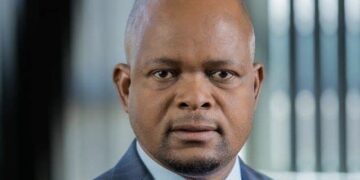
The world’s least developed nations are grappling with a severe financial crunch that is forcing them to divert funds from essential development investments to meet pressing debt repayments, according to Achim Steiner, Administrator of the United Nations Development Programme (UNDP). Speaking at the Hamburg Sustainability Conference, Steiner highlighted that this dilemma is impeding progress on global Sustainable Development Goals (SDGs) and exacerbating the challenges of poverty, hunger, and climate change in these regions.
Countries such as Ghana, Sri Lanka, and Zambia have already defaulted on their debts, while others teeter on the edge of financial collapse due to the rising cost of borrowing, compounded by the global interest rate hiking cycle. “For many of these least developed countries, they have literally been priced out of the financial markets. They cannot borrow any more money,” Steiner remarked during the event.
Debt Service Dilemma: Sacrificing Long-Term Development
Steiner’s sobering address painted a grim picture for the world’s poorest nations, noting that the high cost of servicing debt has left governments with little choice but to reallocate spending from essential development projects towards debt obligations to avoid defaults. “It’s a very extreme situation,” he noted, adding that these countries are forced to make painful cuts to sectors such as education, healthcare, and infrastructure—critical areas for long-term sustainable development.
Steiner also pointed out that while developing nations are striving to meet the ambitious SDGs—17 wide-ranging targets that include ending poverty, hunger, and promoting access to clean energy—financial pressures are undermining these efforts. Without immediate intervention, the prospect of meeting the SDGs by their 2030 deadline appears increasingly remote.
Private Sector Investment: A Critical Component
In a similar vein, World Bank President Ajay Banga, speaking at the same conference, emphasised that official and multilateral lenders alone cannot bridge the estimated $4 trillion annual funding gap needed to meet the SDGs. “That gap is going to need the private sector,” Banga declared, stressing that collaboration with private investors is crucial to achieving these global targets.
One proposed solution involves de-risking private investments by leveraging public funds to provide guarantees and insurance for projects in emerging markets. The World Bank has already taken steps to facilitate this, launching a one-stop-shop platform designed to triple the provision of loan and investment guarantees to $20 billion annually. Banga noted, “We’ve already doubled where we were a year ago. There is more to come.”
Global Finance Overhaul: A Call for Action
Steiner also called for urgent reform of the international financial system, warning that without a comprehensive overhaul, the world risks failing in its collective endeavour to meet the SDGs. “We have to tackle this issue of our international financial architecture and our international financial system,” Steiner said, highlighting the increasing disconnect between debt-burdened nations and the global financial market.
Echoing these sentiments, German Chancellor Olaf Scholz stressed the importance of the private sector’s role in sustainable development. “Without the expertise and investment of the private sector, the sustainable development goals cannot be reached,” Scholz said in his keynote speech. He advocated for the standardisation of financing mechanisms to make it easier for public-private partnerships to take off, thereby accelerating progress towards meeting the SDGs.
The current financial quagmire leaves developing nations with few options, as they struggle to balance the immediate need to service debt with the longer-term imperative of sustainable development. Both public and private sector actors must come together to forge solutions that not only ease the burden of debt repayment but also enable these nations to pursue their development goals with renewed vigour.