The political landscape of KwaZulu-Natal (KZN) has been thrown into disarray following a contentious meeting between the Umkhonto WeSiwezwe Party (MK Party) and the Inkatha Freedom Party (IFP). Sources reveal that the IFP demanded a staggering 60% control of the provincial government as a condition for partnering with MK, which has ignited fierce political debate and suspicion.
The IFP’s demands are viewed as an attempt to leverage a pre-existing agreement with the African National Congress (ANC). Reports indicate that this deal involves making the IFP president the country’s second deputy president, raising eyebrows and questions about the integrity of the negotiations.
A high-ranking source expressed concerns about the timing and nature of the first sitting of the KZN legislature. This session coincided with the national assembly sitting, leading to suspicions of covert manoeuvring aimed at destabilising the political equilibrium. “The simultaneous sittings have the hallmarks of political manoeuvring by certain elements within the liberation movement,” the source said. “It seems there is a concerted effort to force an ANC-DA coalition.”




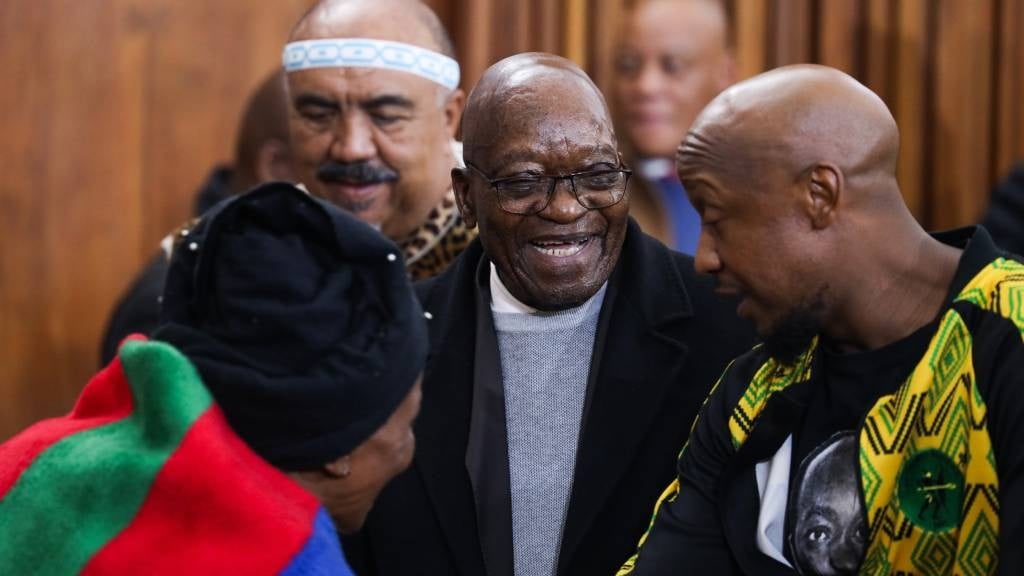
Amidst the political machinations, an alliance has been forged between the MK Party and the National Freedom Party (NFP), supported by the Economic Freedom Fighters (EFF). On Wednesday, MK Party leader Jacob Zuma and NFP leader Ivan Barnes agreed to govern KZN together. Insiders from both parties confirmed that the NFP would back MK, which secured the most votes in the province but did not achieve an outright majority.
The intricate web of alliances and power plays highlights the volatile nature of KZN politics. “Obviously, the MK will not be able to monitor both the KZN situation and the national assembly simultaneously,” the insider remarked. “This seems to be a strategic manoeuvre by certain factions to ensure the ANC-DA coalition materialises.”
The unfolding political drama in KZN underscores the fragility of coalition governments and the complexities of South Africa’s political landscape. As parties continue to negotiate and vie for power, the stability of the province hangs in the balance, with potential repercussions for the broader national political scene.