Pick n Pay announced on Wednesday that it expects to report a full-year loss, largely due to a substantial 2.8 billion rand ($155 million) impairment on its loss-making and underperforming core supermarket stores. Despite this, the company’s shares surged 9.40% by 0755 GMT following news of a debt restructuring agreement with lenders.
New CEO Sean Summers is leading the effort to turn around Southern Africa’s third-largest grocer, which has been losing market share to larger rival Shoprite and others for over a decade in a highly competitive market strained by high interest rates and rising inflation. Summers’ primary challenge is to enhance the performance of the core Pick n Pay supermarkets.
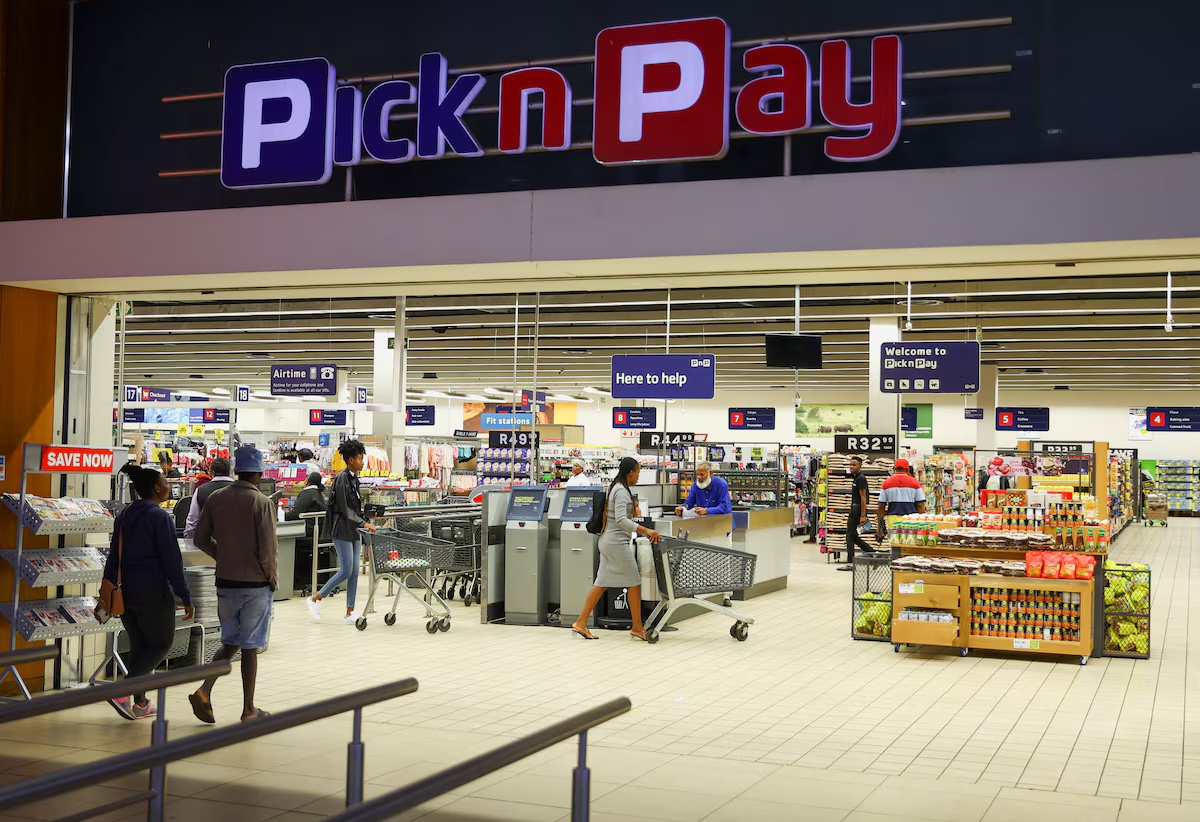




Pick n Pay, which also owns discount grocery retailer Boxer, projected a loss per share between 6.37 rand and 6.86 rand for the year ended February 25, compared to earnings per share of 2.43 rand the previous year. Of the 2.8 billion rand writedown, 1.8 billion rand is allocated to selected loss-making company-owned Pick n Pay stores, which will be either closed or converted to Pick n Pay franchises or Boxer stores as part of the group’s strategic plan. Additionally, a 1 billion rand impairment concerns underperforming company-owned stores that will remain operational.
Other factors contributing to the anticipated loss include higher net debt service costs and diesel expenses for generators used to keep stores open during blackouts. The company expects to report a 5.4% increase in group sales, driven by Boxer and its clothing stores, while Pick n Pay South Africa sales are projected to decline by 0.2%.
Earlier this year, Summers announced a two-step recapitalization plan involving a rights issue to raise up to 4 billion rand and listing Boxer to repay the company’s escalating debt of 6.1 billion rand. On Wednesday, Pick n Pay confirmed it had finalized a debt restructuring agreement with both short-term and long-term lenders, ensuring the group’s liquidity and funding until September 1, 2025.