Nigeria has unveiled an ambitious spending plan of 47 trillion naira ($28.18 billion) for its 2025 budget, signalling a firm commitment to fiscal expansion amidst evolving economic landscapes. According to Nigeria’s Minister of Budget and National Planning, Atiku Bagudu, the budget blueprint is structured around an anticipated oil price of $75 per barrel, with a targeted production capacity of 2 million barrels per day. These assumptions underscore Nigeria’s continued reliance on its oil sector as a pivotal economic anchor.
The 2025 fiscal outline, however, also entails a considerable budget deficit, estimated at 13.8 trillion naira, equating to approximately 3.87% of the nation’s projected Gross Domestic Product. Such a fiscal shortfall reflects the government’s strategic commitment to maintain public investment in critical sectors while managing the challenges of global economic uncertainties and fluctuating oil markets. Bagudu disclosed this financial strategy following a cabinet meeting in Abuja, where he indicated the administration’s intent to sustain key public spending initiatives and infrastructure projects.



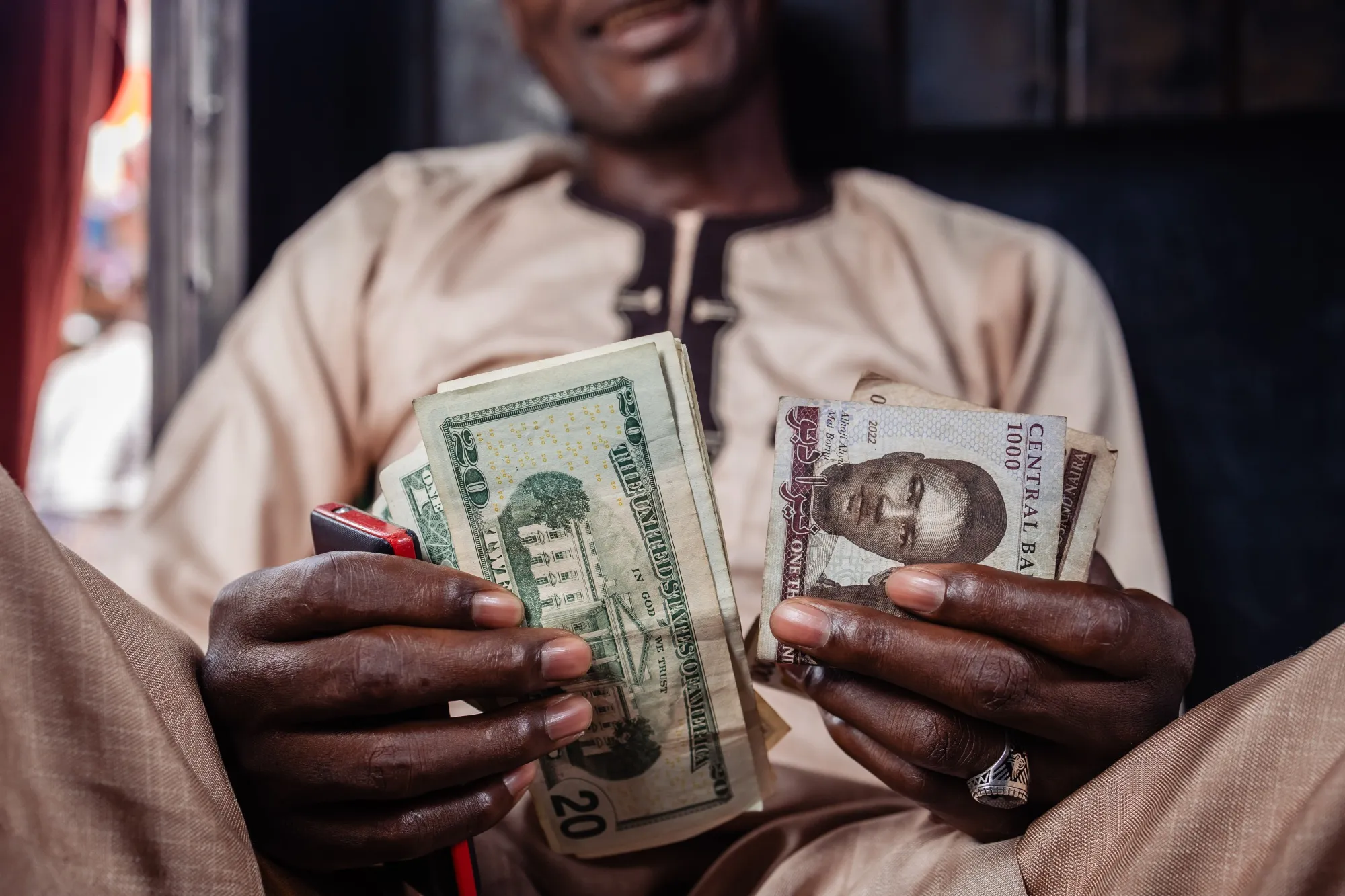
Further details on the budget indicate a projected exchange rate of 1,400 naira to the U.S. dollar for 2025, marking a shift from the official rate of 1,655 naira as of the market close on Thursday. This anticipated exchange rate adjustment reflects a cautious approach to currency management aimed at stabilising the naira amidst pressures from international currency markets and domestic fiscal demands.


Bagudu also noted the government’s progress in enhancing revenue streams beyond the oil sector. As he reported, non-oil revenue initiatives are performing with resilience, exceeding initial projections. These fiscal advances provide a foundation for diversifying Nigeria’s revenue base, potentially reducing its economic reliance on oil while enabling broader investment across sectors. The minister’s remarks underscore Nigeria’s ongoing efforts to navigate the dual imperatives of economic diversification and financial prudence as the country advances towards its developmental objectives.