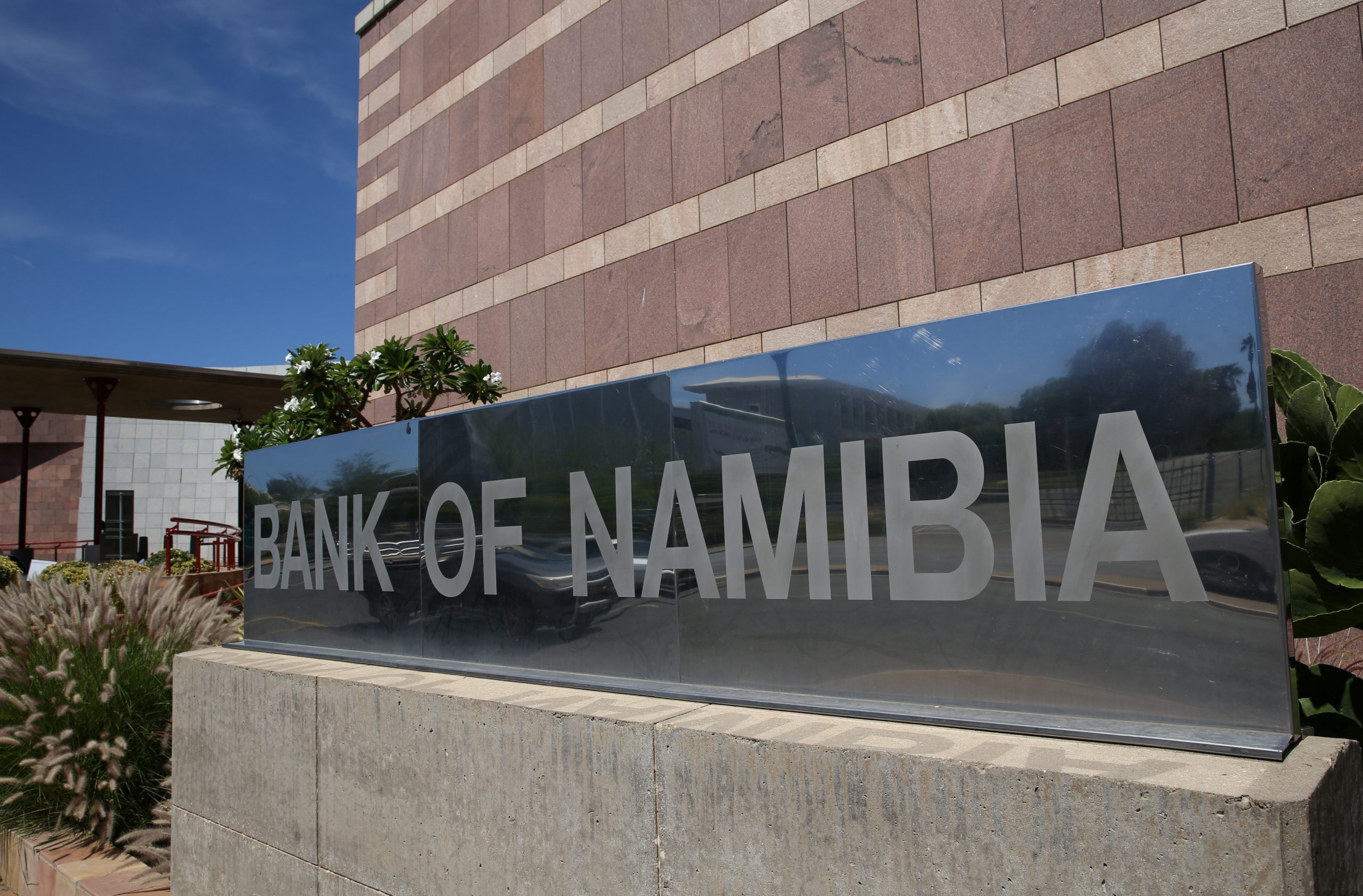
Namibia’s long-depressed housing and construction sectors may be set to rebound since the Bank of Namibia (BoN) has unveiled sweeping reforms in its home loan policies. The recent announcement, made on Wednesday, marks a significant departure from previous norms, ushering in measures that could reshape the landscape of property ownership in the country.
One of the headline-grabbing changes is the elimination of the deposit requirement for obtaining a mortgage on a second residential property. This move aims to incentivise potential homeowners and investors, offering a more accessible entry point into property ownership. Furthermore, for those eyeing a third or subsequent residential property, the deposit has been reduced to a modest 10 percent, providing a further catalyst for investment in the real estate market.
Leonie Dunn, the Deputy Governor of BoN, shed light on the rationale behind these unprecedented measures. Recent economic conditions and shifts in the Namibian property market have prompted a reevaluation of regulatory frameworks. Dunn emphasized that these regulations are designed not only to relax constraints but also to safeguard financial stability. “They are designed to foster investment in the property sector, generate job opportunities, and make a positive contribution to economic growth and recovery,” she stated.



Namibia has witnessed a notable decline in its construction sector’s contribution to GDP, plummeting from 623.10 million U.S. dollars in the first quarter to 290.60 million dollars in the second quarter of 2023, as reported by the Namibia Statistics Agency. This downturn has raised concerns about the sector’s resilience and its role in the nation’s economic vitality.

The BoN’s decision to reshape mortgage regulations is a strategic response to the challenges faced by the Namibian construction industry. By removing barriers to property ownership, the central bank aims to stimulate demand in the housing market, thereby catalyzing growth in the construction sector. The hope is that these changes will not only encourage homeownership but also trigger a ripple effect throughout related industries, creating a surge in demand for construction services and materials.
As Namibia grapples with economic headwinds, the central bank’s proactive stance is a beacon of optimism. The nation is not merely reacting to challenges but is actively adapting its policies to foster a conducive environment for economic recovery. The real estate market, being a significant driver of economic activity, is at the forefront of these efforts.
Experts in the field suggest that the BoN’s measures could potentially address some of the persistent issues in the Namibian housing market. High upfront costs, particularly deposits, have historically been a deterrent for many prospective homebuyers. By waiving the deposit requirement for second properties and reducing it for subsequent ones, the BoN is positioning itself as a catalyst for a renewed housing boom.
However, some analysts express caution, pointing out the need for a balanced approach to prevent speculative bubbles in the property market. While the reforms are expected to invigorate the housing sector, there is a delicate balance to strike between incentivizing investment and ensuring the stability of the financial system.
Namibia’s Central Bank has embarked on a bold journey to reshape its real estate landscape. The revised mortgage regulations signal a commitment to economic recovery and growth, with a particular focus on reviving the construction sector. As the nation navigates through challenging economic conditions, these reforms provide a glimpse of a proactive and adaptive financial system, laying the groundwork for a resilient and thriving property market.