Namibia, known for its vast landscapes and stable political climate, faces a stark reality in its agricultural sector, particularly concerning fruit production. Recent disclosures from the Namibian Agronomic Board highlight a significant imbalance: the nation imports approximately 95% of its annual fruit consumption, expending a staggering N$270 million (equivalent to approximately $14.91 million USD) on transportation alone.
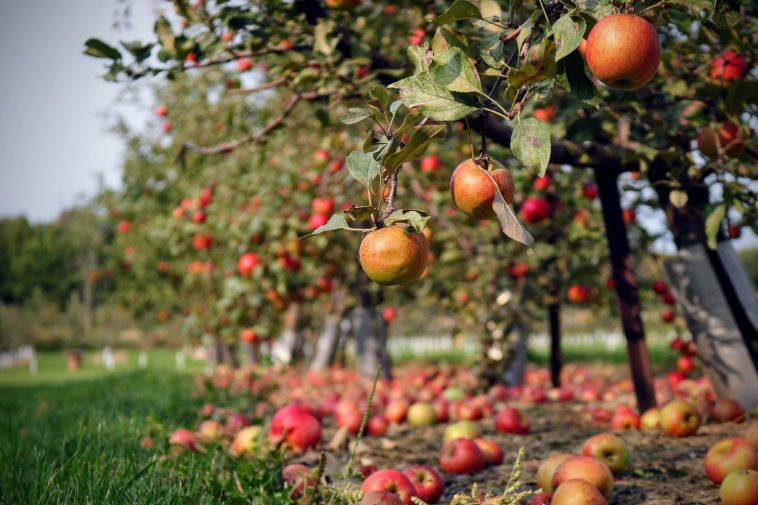
Emilie Abraham, Manager for Horticulture Development at the Namibian Agronomic Board, revealed these figures during a recent meeting with local farmers. She underscored that despite Namibia’s status as a net exporter of certain fruits—particularly table grapes destined for international markets—the domestic production of fruits stands at a mere 4%. This disparity necessitates substantial imports, including 7,320.89 tonnes of apples valued at over N$54.1 million ($2.99 million USD) and 4,693.01 tonnes of bananas costing N$40.4 million ($2.23 million USD) annually.
Moreover, Namibia faces similar challenges across other agronomic products, with wheat and maize imports constituting 96% and 50% of national consumption, respectively. Abraham emphasized the potential for local investment to bolster fruit production, leveraging the country’s ample arable land and conducive economic environment.




The horticulture sector, pivotal for both domestic sustenance and export earnings, imports produce worth N$610.8 million ($33.74 million USD) annually, whilst generating approximately N$401 million ($22.14 million USD) locally. This dichotomy underscores both the import dependency and the economic potential awaiting exploitation through increased local production.
Abraham articulated that collaborative efforts, such as awareness campaigns with partners like the European Union-Economic Partnership Agreement Namibia, aim to elucidate opportunities within the sector. These initiatives seek to inspire Namibian producers and local investors to capitalise on conducive conditions for expanding fruit cultivation, catering to both domestic needs and burgeoning export markets.