

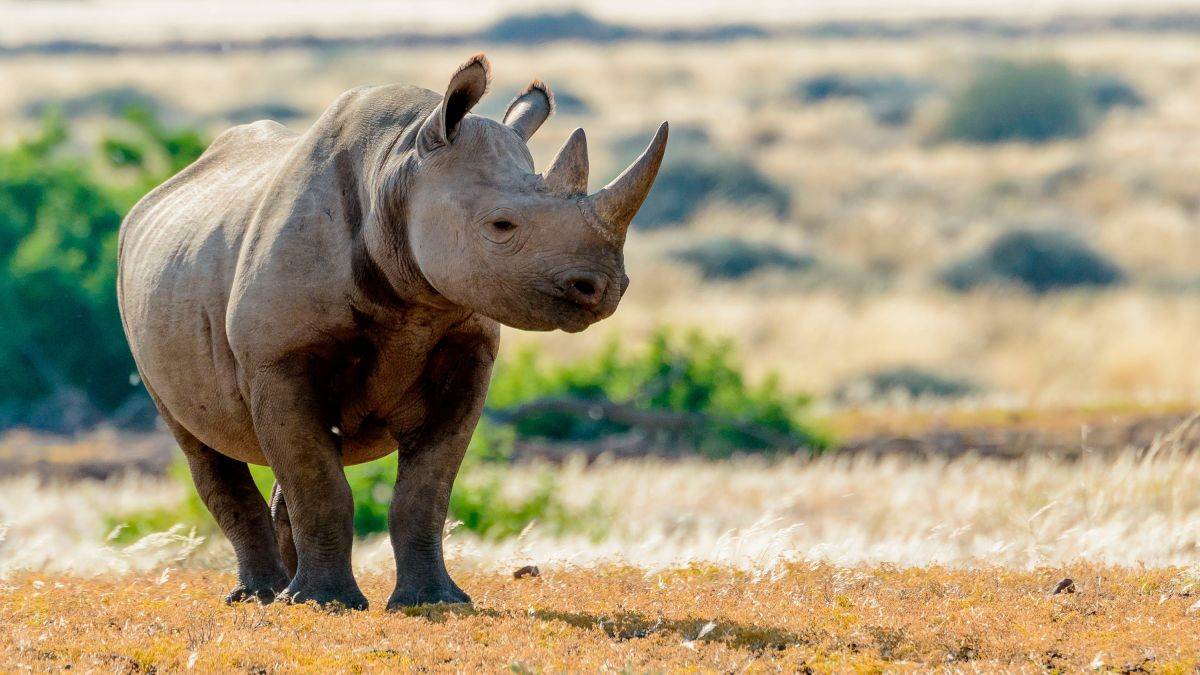
In a move aimed at supporting its renowned wildlife conservation efforts, Namibia’s Ministry of Environment, Forestry and Tourism (MEFT) has granted permission for the sustainable hunting of one post-reproductive male black rhinoceros. This decision, announced on Monday, falls within the provisions of both national and international regulations governing wildlife conservation.
The MEFT spokesperson, Romeo Muyunda, highlighted the significance of rhinos as valuable resources and stressed the importance of utilizing them to benefit the country’s present and future generations. The hunt will be closely supervised by MEFT officials, who will determine the specific rhino to be targeted based on factors such as age and reproductive status.
Muyunda explained that post-reproductive male rhinos, once they cease to contribute to the population, can engage in territorial fights that may lead to injuries and mortalities among younger, reproductive bulls. By allowing the hunting of these non-reproductive individuals, the MEFT aims to maintain a healthy rhino population and reduce potential conflicts within the herd.



The funds generated from sustainable hunting activities will be channeled into the Game Product Trust Fund account. This dedicated fund plays a vital role in supporting general conservation efforts in Namibia, with a particular focus on investing in anti-poaching activities. By expanding the scope of sustainable hunting, Namibia seeks to secure additional financial resources to safeguard its rich wildlife heritage.

Drawing attention to a successful hunting exercise conducted in 2015, Muyunda noted that Namibia generated $350,000 through the initiative, making a significant contribution to conservation efforts in the country. Thanks to its innovative conservation methods and unwavering dedication, Namibia currently boasts the largest population of black rhinos in the world.
Namibia’s commitment to sustainable hunting and responsible wildlife management serves as a model for other nations grappling with similar challenges. The country’s approach to balancing the utilization of resources while safeguarding biodiversity has garnered international recognition.
Namibia has long been recognized as a leader in conservation practices, implementing innovative strategies to protect its unique ecosystems and diverse wildlife. The decision to allow controlled hunting of a post-reproductive male black rhinoceros demonstrates the country’s commitment to long-term conservation and its proactive approach to addressing complex ecological issues.
As the current hunting season continues until November 2023, Namibia remains steadfast in its mission to protect and preserve its natural heritage. The sustainable hunting of a single rhino exemplifies Namibia’s commitment to maintaining a delicate balance between wildlife conservation and the sustainable use of resources for the benefit of current and future generations.


