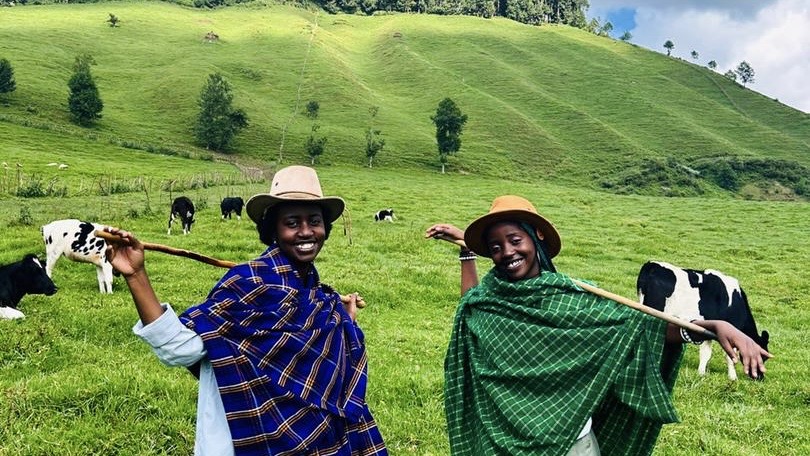
In Rwanda, milk bars are not just places to grab a drink—they are cultural institutions deeply intertwined with the country’s history and traditions. These unassuming establishments serve fresh and fermented milk, providing a unique window into Rwandan life and its long-standing reverence for milk. From bustling urban centres to remote rural villages, milk bars have become a staple of Rwandan communities, a symbol of both nourishment and cultural pride.
Milk holds an extraordinary place in Rwandan society, valued not just for its nutritional benefits but as a symbol of prosperity, life, and blessings. In Rwandan culture, milk is often referred to as “the drink of God,” and blessings such as gira amata (may you get milk) and gira inka (may you have a cow) are commonly exchanged. For many, milk is a sign of abundance and wealth, and cows are viewed with the highest respect, often gifted as a profound gesture of gratitude. As Lise Kiberwa, a local resident who spoke to The Southern African Times, puts it, “Milk is sacred, and that’s how we found it.”
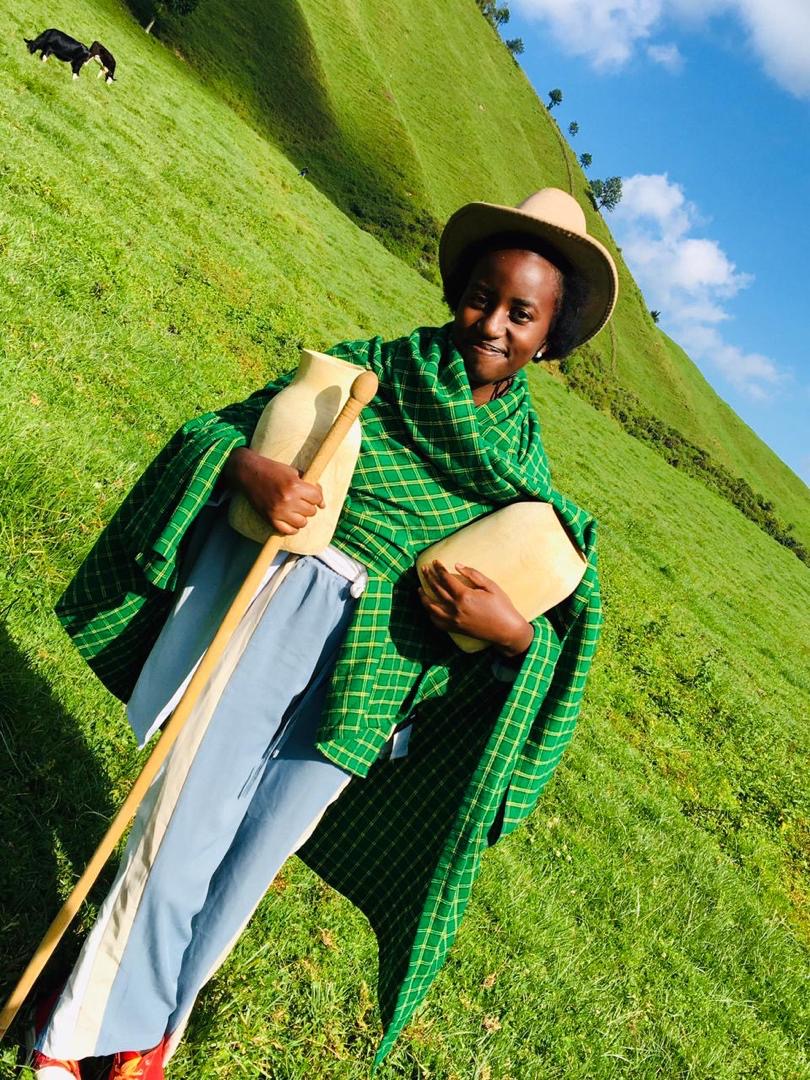
Milk bars, while simple in nature, reflect this cultural reverence. These small establishments offer fresh and fermented milk, often accompanied by light snacks such as chapatis, doughnuts, or cakes. Some bars focus solely on serving milk, while others have expanded to include a variety of food items that complement the drink. What makes these milk bars unique is not just the beverage itself, but the sense of community they foster. In many rural areas, they serve as gathering points where people come to share stories over a glass of milk—a tradition that speaks to Rwanda’s deep connection to both milk and social unity.



Kiberwa further explains that there is a cultural distinction between fresh and fermented milk, reflecting different preferences and social roles. “Most people, especially men, love fermented milk. It gives them the energy they need for heavy work, and they can take it and go a whole day without eating anything else,” she notes. While fresh milk is often favored by children and younger people, fermented milk, known locally as ikivuguto, is seen as more robust, providing sustenance for those engaged in physical labor.
The rise of milk bars has not only preserved tradition but has also evolved alongside Rwanda’s modernizing society. While they were once rare, today, milk bars can be found almost everywhere, particularly in rural areas. In cities like Kigali and Musanze, some bars have even adopted modern vending machines that allow customers to draw fresh milk themselves, demonstrating how the country’s technological advancements are being incorporated into even the most traditional of spaces.
Yet, despite these changes, milk bars still maintain strong ties to Rwanda’s rural farming communities. Local dairy industries, such as Inyange Industries and Mukamira Dairy, play a critical role in this, purchasing milk from small-scale farmers to produce products like yogurt and cheese, which are then sold back through milk bars. This system not only sustains local economies but also ensures that traditional milk products remain accessible to all.
For visitors to Rwanda, a trip to a milk bar offers more than just a taste of the country’s beloved beverage—it provides an opportunity to experience a cultural institution that has stood the test of time. Kiberwa suggests starting with fresh milk, but for the more adventurous, she recommends trying the local fresh cheese if visiting the Bigogwe region. “I’m not a fan of it myself,” she laughs, “but it’s something visitors might enjoy.”
Beyond their role as social hubs, milk bars serve as reminders of the cultural significance of milk in Rwanda. From traditional wedding ceremonies where the bride and groom are blessed with milk to the use of milk as a symbol of good fortune, the beverage is deeply embedded in the nation’s identity. It is even said that in case of poisoning, milk is considered an antidote, further highlighting the reverence Rwandans hold for it.

Rwanda’s love for milk extends beyond just its consumption. Many of the country’s traditional dances, such as the Umushayayo and Ikinyemera, are inspired by the graceful movements of cows, with dancers stretching their arms upward to mimic cow horns. This connection between milk, cows, and cultural expression underscores the central role that both the drink and the animals play in the life of the nation.
As Rwanda continues to modernize, its milk bars remain a testament to the country’s ability to blend tradition with progress. While the younger generation may own their own cows and visit milk bars less frequently than their elders, the importance of milk remains deeply ingrained in the culture. As Kiberwa observes, “It’s a part of who we are.”
In sum, Rwanda’s milk bars are more than just places to drink milk—they are cultural touchstones, preserving centuries-old customs and providing a space where the past and present come together in every glass. For Rwandans, milk is not just a beverage—it’s a blessing, a gift, and a cherished part of their national identity.