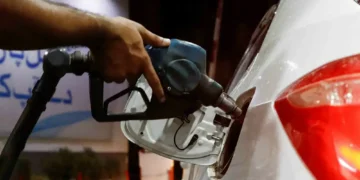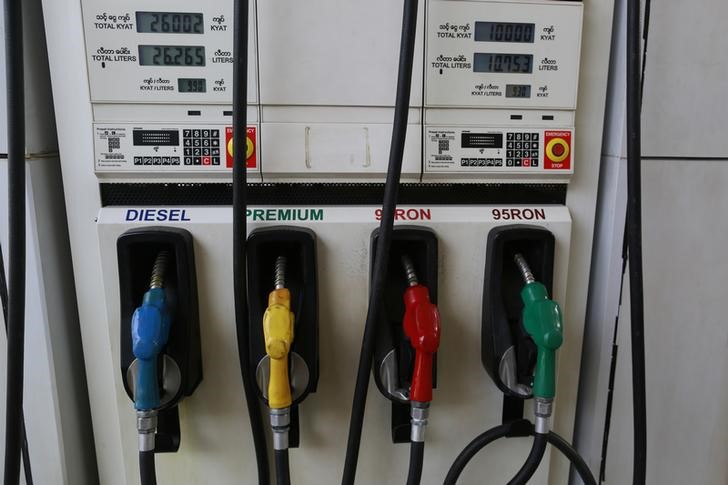
Malawi is implementing fuel rationing measures in an attempt to manage a deteriorating energy crisis that has left many stations across the nation dry. The Malawi Energy Regulatory Authority (MERA) announced the intervention on 29 October, stating that the decision aims to “ensure fair access to fuel across Malawi” as the country faces mounting economic pressures tied to foreign exchange scarcity.
Henry Kachaje, MERA’s Chief Executive Officer, clarified in a public statement that the authority would coordinate deliveries to select filling stations, with directives that prevent hoarding, black-market activity, and price inflation. While the short-term solution may alleviate immediate pressures, fuel shortages have intensified since 13 October, prompting broader concerns about the country’s long-term economic stability.
The underlying cause of the fuel crisis, according to government officials, is a severe deficiency in foreign currency. As Minister of Information and Digitalisation Moses Kunkuyu elaborated in an address to local media on 23 October, Malawi has been able to allocate only USD 37 million monthly toward imports—well below the USD 51 million required to sustain demand for essential goods, including fuel. This funding gap has severely hampered importers, forcing many to halt operations and exacerbating the supply crisis in the already strained energy sector.




To counter the crisis, Malawi recently secured a loan of USD 50 million from the Arab Bank for Economic Development in Africa, with the intent of easing the fuel shortage. However, it remains uncertain how far these funds can stretch in the face of sustained fiscal pressures. Market analysts suggest that while this loan might temporarily stabilise fuel availability, it is unlikely to provide a durable solution unless complemented by broader economic reforms and enhanced foreign currency reserves.
MERA’s rationing strategy involves strategic distribution, directing supplies to critical points while enforcing compliance measures to ensure equitable access for citizens. The rationing plan includes oversight protocols to curb black-market sales and unauthorised price hikes, which have already begun to impact consumers. Analysts point out that Malawi’s energy sector has long been vulnerable to global market fluctuations, with periodic shortages often exacerbated by macroeconomic challenges.
The recent crisis is not an isolated incident but rather an indicator of a larger structural issue in Malawi’s economy. Persistent foreign exchange shortages, a weakened Kwacha, and reliance on imported goods have created a precarious balance, with fuel supplies representing a particularly sensitive point of disruption. Compounding the problem is Malawi’s limited domestic production capacity, making it heavily reliant on foreign exchange to maintain an uninterrupted supply of imported fuel and other vital commodities.
With fuel rationing now underway, some economists warn that the measure may have downstream effects on key economic sectors, particularly agriculture and manufacturing, which depend on reliable fuel supplies for transport and operations. Consumer prices for essential goods have already shown upward trends in recent weeks, and there is a risk that supply chain disruptions could further pressure inflation rates.
For now, MERA’s approach reflects a crisis management posture aimed at immediate containment. However, the recent steps highlight Malawi’s growing need for structural economic changes to ensure resilience against future fluctuations in global commodity markets and the volatility of foreign exchange reserves. As fuel rationing becomes a daily reality, the country’s economic policymakers will face mounting pressure to address the root causes of these recurrent crises and to seek sustainable solutions that can shield the nation from the impacts of similar shocks in the future.