

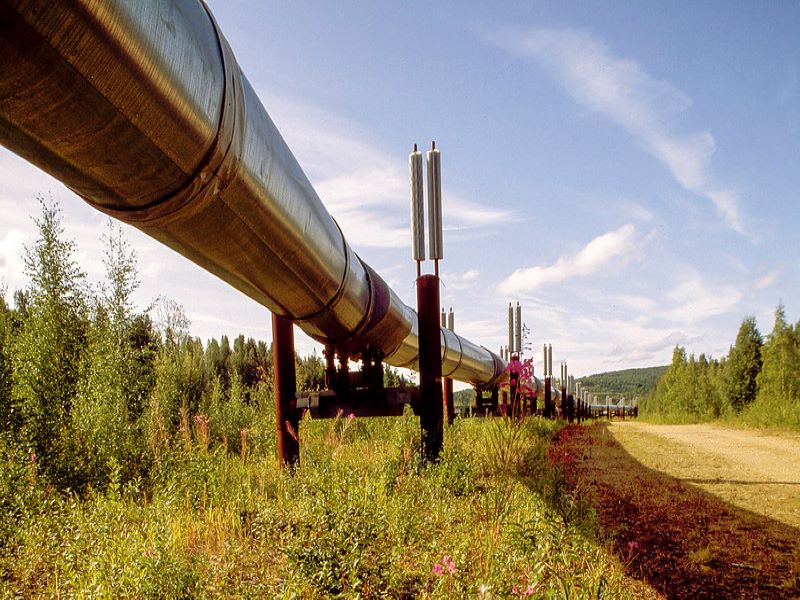
Construction of the 1,443-kilometre East African Crude Oil Pipeline (EACOP), a $3.55 billion infrastructure project linking Uganda’s oil-rich Albertine Graben to Tanzania’s port city of Tanga, continues to advance with significant milestones achieved. This transformative venture is poised to reshape the region’s energy landscape, offering substantial economic benefits while sparking critical discussions on environmental and social impacts.
Uganda’s Minister of Energy and Mineral Development, Ruth Nankabirwa, confirmed progress on the pipeline’s construction. To date, 1,100 kilometres of pipeline material have been delivered to Tanzania, with a thermal insulation plant in the country now fully operational. Civil works began in 2024, spearheaded by China Petroleum Pipeline Engineering Co., Ltd., and by year-end, 90 kilometres of pipeline had been welded in Tanzania, with Uganda completing over 10 kilometres.
The pipeline represents a crucial step in Uganda’s energy ambitions. Since the discovery of 6.5 billion barrels of oil reserves in the Albertine Graben in 2006, the country has sought to monetise its resources. Of these reserves, 1.4 billion barrels are commercially viable, and the EACOP provides a vital export route for crude oil, potentially generating $2 billion annually at peak production.



The economic ripple effects extend beyond Uganda. Tanzania stands to benefit from transit fees and infrastructure investments along the pipeline route. Moreover, the pipeline strengthens regional trade ties and positions East Africa as a competitive player in global energy markets. Analysts note that such infrastructure projects promote regional integration, encourage foreign investment, and pave the way for industrialisation across the continent.
Employment creation is a major advantage of the EACOP. Thousands of jobs have already been generated during construction, and additional opportunities will emerge during its operational phase. These roles are complemented by skills development programmes, equipping local workers with expertise in construction, pipeline operation, and environmental management. This upskilling not only benefits the EACOP but also builds a workforce capable of contributing to future large-scale projects.
However, the project has drawn criticism for its potential environmental and social impacts. The pipeline traverses ecologically sensitive areas and densely populated regions, raising concerns about biodiversity loss, ecosystem disruption, and displacement of communities. Environmental groups and human rights advocates have highlighted these risks, urging project developers to prioritise mitigation measures.
The EACOP consortium has allocated approximately $400 million to address these concerns, focusing on community compensation, environmental protection, and corporate social responsibility initiatives. Measures such as rerouting sections of the pipeline, implementing monitoring systems, and engaging with affected communities aim to balance development with sustainability.
For Africa, the EACOP signals a shift towards asserting greater control over natural resources. Traditionally, the continent has exported raw oil with minimal local value addition. The pipeline could catalyse investments in refining and petrochemical industries, enabling East Africa to capture more of the value chain. Furthermore, it aligns with the African Union’s energy goals, which prioritise energy security, diversification, and expanded access.

While the EACOP promises transformative economic gains, realising its full potential requires addressing environmental and social concerns. The project’s success will likely serve as a benchmark for future collaborations, illustrating how shared resources can be harnessed for mutual benefit.
In conclusion, the East African Crude Oil Pipeline exemplifies the opportunities and complexities of large-scale infrastructure development in Africa. By connecting Uganda’s oil reserves to global markets, it represents a milestone in the region’s economic evolution. However, its legacy will depend on how effectively it reconciles developmental aspirations with ecological preservation and community well-being.


