Friday, April 24, 2026
  • Login
The Southern African Times
  • Home
  • Southern Africa
  • Business
    • African Start ups
    • African Continental Free Trade Area
  • Technology
    • Lifestyle
      • Health
      • Culture
      • Food and Drink
      • Entertainment
  • Opinion
  • Sports
  • SAT Jobs
    • Events
  • About Us
    • Advertise with Us
    • Contact Us
No Result
View All Result
  • Home
  • Southern Africa
  • Business
    • African Start ups
    • African Continental Free Trade Area
  • Technology
    • Lifestyle
      • Health
      • Culture
      • Food and Drink
      • Entertainment
  • Opinion
  • Sports
  • SAT Jobs
    • Events
  • About Us
    • Advertise with Us
    • Contact Us
No Result
View All Result
The Southern African Times
No Result
View All Result
Home North Africa Libya

Libya’s Oil Revenues Surpass 21 Billion USD in 2025

by SAT Reporter
January 2, 2026
in Libya, North Africa
0
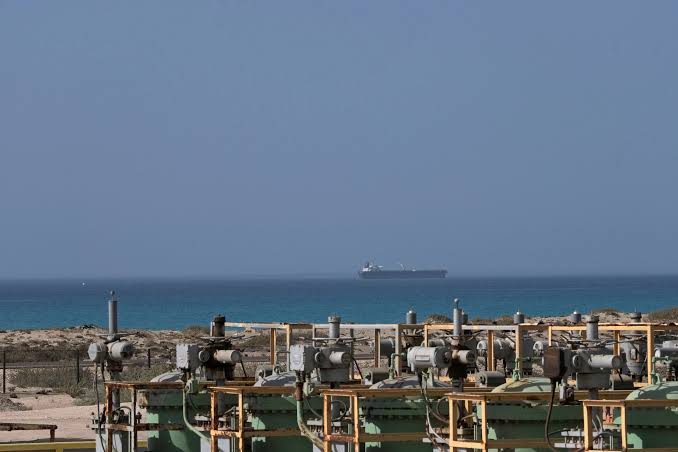
Libya’s Oil Revenues Surpass 21 Billion USD in 2025

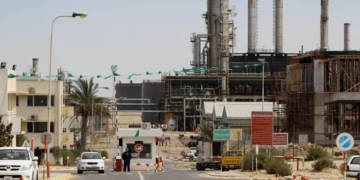
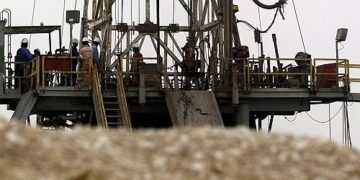
Libya’s National Oil Corporation (NOC) announced that the country’s total oil revenues for 2025 reached 21.9 billion US dollars, marking a 15 per cent increase compared to the previous year. This growth, while modest by global standards, reflects both a recovery in production and the enduring centrality of hydrocarbons to Libya’s economic structure.

According to the NOC’s official statement, the total revenue included 3.268 billion US dollars from royalties and concession contract taxes, alongside a deposit of 71.36 million euros (equivalent to 83.91 million US dollars) into the sovereign account over the course of 2025. The NOC confirmed that Libya achieved its highest average production levels in a decade, with an average daily output of 1.374 million barrels of crude oil, culminating in a total of 501 million barrels for the year.

While the oil sector remains the backbone of Libya’s national economy, it continues to operate within a complex political environment. Prolonged instability, fragmented governance, and intermittent conflict have periodically disrupted production and exports. Despite these challenges, the NOC has maintained relative operational stability, reflecting both institutional resilience and the broader efforts of Libyan engineers, administrators, and policymakers to preserve the country’s economic lifeline.


ADVERTISEMENT

Energy analysts have observed that Libya’s recent production consistency contributes not only to its domestic fiscal recovery but also to stabilising supply within global energy markets. As a member of the Organisation of the Petroleum Exporting Countries (OPEC), Libya holds a unique position given its exemption from the group’s production quotas due to its internal political circumstances. This flexibility has allowed it to focus on rebuilding infrastructure and strengthening its financial institutions, particularly through the reinvestment of oil revenues in national development initiatives.

The NOC’s financial transparency and public reporting have been viewed as positive steps in enhancing governance and fostering international confidence in the Libyan oil industry. However, experts emphasise that sustainable economic growth will require diversification beyond hydrocarbons, as well as political stability and equitable resource distribution across regions.

Across Africa, Libya’s experience mirrors broader continental debates around resource dependency, sovereignty, and economic self-determination. The country’s ability to manage its oil wealth amid adversity underscores a complex yet crucial narrative about African nations navigating the intersection of natural resource governance, internal politics, and international expectations.

For Libya, the challenge ahead lies not only in maintaining production levels but also in transforming oil revenues into long-term social and infrastructural investments that enhance resilience beyond the energy sector. As African economies seek to strengthen intra-continental cooperation and reduce dependency on external economic models, Libya’s trajectory may offer a nuanced perspective on balancing resource wealth with national renewal.

Tags: African economyAfrican resilienceenergy policyhydrocarbon industryLibyaNational Oil Corporationoil revenuesopecpolitical stabilityresource governance
Previous Post

Tanzanian President Reaffirms National Unity and Economic Resilience Following Election Unrest

Next Post

Africa’s Banking Sector Must Prepare for a Post-Dollar World

SAT Reporter

Related Posts

IMF urges urgent fiscal reforms in Libya amid rising economic pressures
Libya

IMF urges urgent fiscal reforms in Libya amid rising economic pressures

by SAT Reporter
April 12, 2026
Libya’s Oil Output Reaches Decade High as Production and Revenues Rebound
Libya

Libya’s Oil Output Reaches Decade High as Production and Revenues Rebound

by SAT Reporter
April 6, 2026
Funding shortfall places essential services for displaced communities in South Sudan at risk
North Africa

Funding shortfall places essential services for displaced communities in South Sudan at risk

by SAT Reporter
March 21, 2026
Chad closes border with Sudan following deadly cross border drone strike
North Africa

Chad closes border with Sudan following deadly cross border drone strike

by SAT Reporter
March 19, 2026
Egyptian Diaspora Remittances Reach Record 41.5 Billion Dollars in 2025, Central Bank Confirms
Egypt

Egyptian Diaspora Remittances Reach Record 41.5 Billion Dollars in 2025, Central Bank Confirms

by SAT Reporter
February 24, 2026
Next Post
Africa’s Banking Sector Must Prepare for a Post-Dollar World

Africa’s Banking Sector Must Prepare for a Post-Dollar World

Browse by Category

  • Africa AI
  • African Continental Free Trade Area
  • African Debt
  • African Start ups
  • Agriculture
  • AI Africa
  • Algeria
  • All News
  • Analysis
  • Angola
  • Arts / Culture
  • Asia
  • Botswana
  • BOTSWANA
  • BREAKING NEWS
  • BRICS
  • Burkina Faso
  • Burundi
  • Business
  • Business
  • Business Wire
  • Cameroon
  • Central Africa
  • Chad
  • China
  • Climate Change
  • Climate Changev
  • Community
  • Congo Republic
  • Conservation
  • Côte d’Ivoire
  • COVID 19
  • CRYPTOCURRENCY
  • Culture
  • Democratic Republic of Congo
  • Diplomacy
  • Eastern Africa
  • Economic Development
  • Economy
  • Education
  • Egypt
  • Elections 2024
  • Energy
  • Entertainment
  • Environment
  • Eritrea
  • Ethiopia
  • Europe
  • Fashion
  • Feature
  • Finance
  • Financial Inclusion
  • Food
  • Food and Drink
  • Foods
  • GABON
  • Ghana
  • Global
  • Global Africa
  • Guinea
  • Health
  • Immigration
  • in Southern Africa
  • International news
  • International Relations
  • Ivory Coast
  • Just In
  • Kenya
  • Lesotho
  • Libya
  • Life Style
  • Lifestyle
  • Literature
  • Malawi
  • Malawi
  • Mali
  • Markets
  • Mauritius
  • Middle East
  • Mining in Africa
  • Morocco
  • Mozambique
  • Namibia
  • Niger
  • niger
  • Nigeria
  • North Africa
  • North-Eastern Africa
  • Obituaries
  • Obituary
  • Opinion
  • PARTNER CONTENT
  • Politics
  • Property
  • Racism
  • Rwanda
  • Rwanda
  • SADC
  • SAT Interviews
  • SAT Investigation
  • SAT Jobs
  • Saudi Arabia
  • Senegal
  • Seychelles
  • Somaliland
  • South Africa
  • South Sudan
  • Sports
  • Startup Africa
  • STOCK EXCHANGE
  • Sudan
  • Sustainability
  • Sustainablity
  • Tanzania
  • Technology
  • Telecommunications
  • The Editorial Board
  • The Power Of She
  • Togo
  • Trade
  • Travel
  • Travel
  • Tunisia
  • Uganda
  • Uncategorized
  • Wealth
  • West Africa
  • World
  • World
  • ZAMBIA
  • Zambia
  • Zimbabwe
  • ZIMBABWE

Browse by Tags

#NewsUpdate #SouthAfrica #SouthernAfricanTimes #TheSouthernAfricanTimes AfCFTA africa African Continental Free Trade Area African development African Development Bank African economies African economy African Union Agriculture Angola Botswana Business China Climate change Cyril Ramaphosa Economic Development economic growth energy transition fiscal policy food security industrialisation Inflation Infrastructure Development International relations Investment Kenya Mozambique Namibia news Nigeria Regional Integration renewable energy Rwanda SADC South Africa Southern Africa sustainable development Tanzania United States Zambia Zimbabwe
ADVERTISEMENT

WHO WE ARE

The Southern African Times is a regional bloc digital newspaper that covers Southern African and world news. The paper also gives a nuanced analysis on news and covers a wide range of reporting which include sports, entertainment, foreign affairs, arts and culture.

Welcome Back!

Login to your account below

Forgotten Password?

Retrieve your password

Please enter your username or email address to reset your password.

Log In

  • Home
  • Southern Africa
  • Business
    • African Start ups
    • African Continental Free Trade Area
  • Technology
    • Lifestyle
      • Health
      • Culture
      • Food and Drink
      • Entertainment
  • Opinion
  • Sports
  • SAT Jobs
    • Events
  • About Us
    • Advertise with Us
    • Contact Us
Are you sure want to unlock this post?
Unlock left : 0
Are you sure want to cancel subscription?