The International Organisation for Migration (IOM), the UN migration agency, has sounded a clarion call for concrete measures to tackle the intertwined challenges of climate change and human mobility on a continental scale.
Amy Pope, Director General-Elect of IOM, emphasized the urgency of addressing the growing confluence of climate change and human migration. “We have officially entered the era of climate migration,” declared Pope in a statement released in Nairobi, where the Africa Climate Summit is set to kick off on September 4. The summit, heralded as the largest gathering of African heads of state, ministers, UN agencies, humanitarian and development partners, the private sector, and youth in the continent’s history, presents an unprecedented opportunity to confront the mounting impacts of climate change on human mobility across Africa.
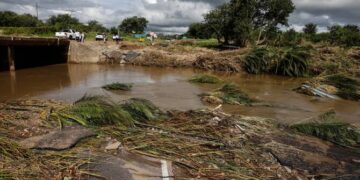
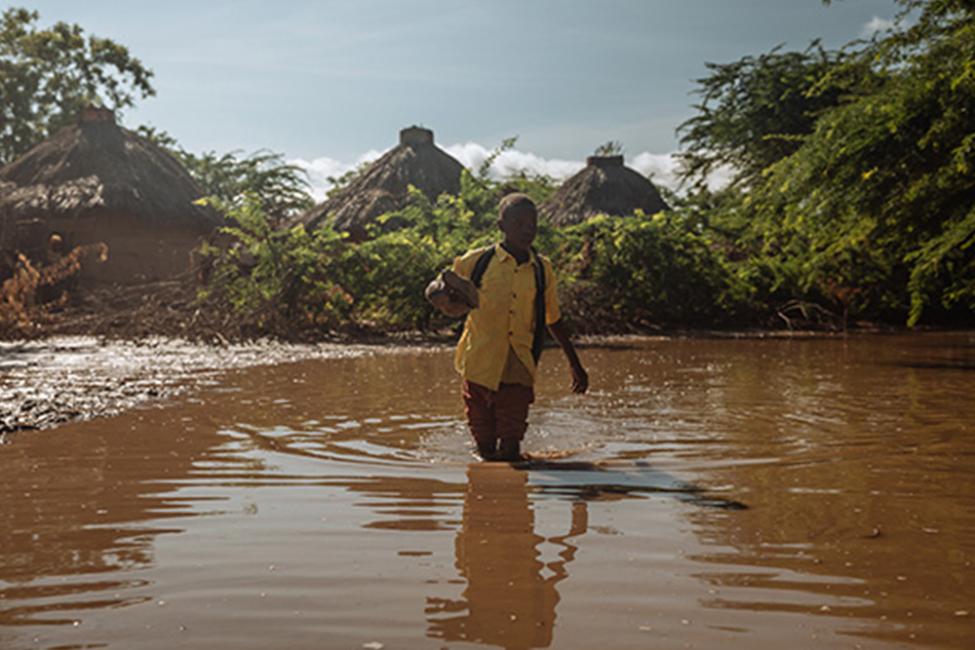
African countries, as noted by the United Nations, rank among the most vulnerable nations to the ravages of climate change, grappling with dire consequences such as drought, flooding, extreme temperatures, and rising sea levels. The year 2022 witnessed more than 7.5 million internal disaster displacements recorded on the African continent, as reported by the Internal Displacement Monitoring Center of the Norwegian Refugee Council.



IOM has committed itself to developing enduring solutions for individuals wishing to remain in their current locations, those on the move, and those compelled to relocate due to the effects of climate change in Africa. At the Africa Climate Summit, the UN migration agency is set to oversee the signing of the Kampala Ministerial Declaration on Migration, Environment, and Climate Change, known as KDMECC-AFRICA. This historic declaration marks the first government-led, comprehensive, and action-oriented framework aimed at effectively addressing mobility issues arising from climate change in Africa, along with identifying the needs, gaps, and opportunities associated with such movements.

Director General-Elect Pope underlined the significance of KDMECC-AFRICA as a critical framework for tackling climate-induced mobility challenges and supporting sustainable development opportunities. “I hope to see support for the declaration from all the ministers of the African member states who attended the KDMECC-AFRICA expansion conference last week,” Pope expressed.
The Nairobi summit serves as a pivotal milestone leading up to the 28th session of the Conference of the Parties (COP28) to the United Nations Framework Convention on Climate Change, scheduled to convene later this year in the United Arab Emirates. It aims to foster unity among African nations in addressing the repercussions of climate change on human mobility.
As climate-induced migration continues to gain momentum, the eyes of the world are on the Africa Climate Summit, where leaders, experts, and stakeholders gather to forge a path forward in mitigating the challenges at the intersection of climate change and human movement.