The Food and Agriculture Organisation of the United Nations (FAO) has announced the development of a comprehensive tool to tackle the complex challenges of climate change and conflict in sub-Saharan Africa. Luca Russo, a senior economist at FAO, underscored the urgent need for such an initiative, given the profound impact these issues have had on food security and livelihoods across the region.
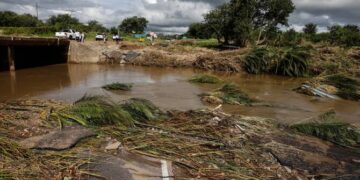
Sub-Saharan Africa has long been grappling with the dual challenges of climate change and conflict. These challenges have led to a myriad of issues, including food insecurity, economic instability, and environmental degradation. According to Russo, the region has experienced an increase in extreme weather events such as floods and droughts, as well as the spread of crop and livestock diseases. These phenomena have further exacerbated existing vulnerabilities, particularly in communities already affected by conflict.
“In response to these crises, floods, droughts, and the spread of both new and recurring crop and livestock diseases have further destabilised fragile societies, deepening food and nutrition insecurity,” Russo explained.



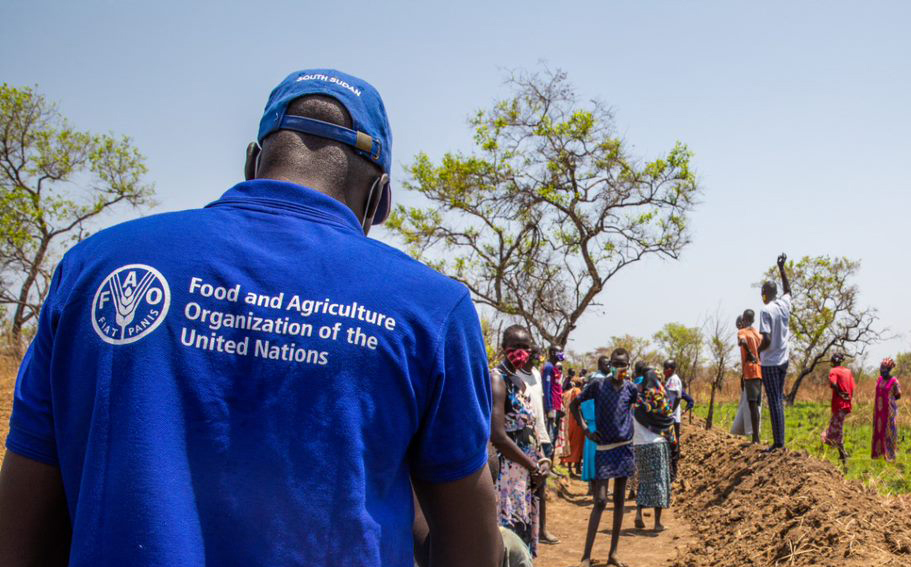
The FAO’s new tool aims to address these challenges by providing a standardised approach to collecting data and implementing effective strategies. Russo emphasised the importance of collaboration among agricultural experts from across the region. He noted that the tool would facilitate knowledge-sharing and enable the identification of best practices for building resilience in communities affected by both conflict and climate change.
“With the use of this tool, interventions, analyses, and data collections will be conducted at a farmer household level,” Russo stated.
The tool’s development comes at a critical time for sub-Saharan Africa, where millions of people are facing food insecurity and economic hardship due to the combined impact of conflict and climate change. According to the FAO, more than 70% of the region’s population relies on agriculture for their livelihoods, making them particularly vulnerable to disruptions caused by these challenges.

Russo highlighted the need for targeted interventions that address the specific needs of these communities. By focusing on resilience-building measures, such as improved agricultural practices and access to market information, the tool aims to empower farmers to better withstand the impacts of climate change and conflict.
“The tool will help identify effective practices and foster a collaborative environment for sharing experiences and knowledge on resilience strategies,” Russo said.
The FAO’s efforts have received support from various stakeholders, including governments, non-governmental organizations, and international donors. The United Nations has also pledged its support for the initiative, recognizing the importance of addressing the root causes of food insecurity and instability in the region.

The FAO’s new tool represents a significant step forward in addressing the complex challenges of climate change and conflict in sub-Saharan Africa. By providing a standardized approach to data collection and strategy implementation, the tool aims to empower communities to build resilience and secure their food and livelihoods in the face of these challenges.
With millions of lives at stake, the need for coordinated action has never been more pressing. The FAO’s initiative offers hope for a more sustainable and secure future for the people of sub-Saharan Africa.