
Cape Town, often referred to as the “Mother City,” is a destination that captivates travellers with its remarkable blend of natural beauty, cultural diversity, and historical significance. Situated at the southwestern tip of Africa, this vibrant city seamlessly combines breathtaking landscapes with a cosmopolitan atmosphere, offering visitors an unforgettable experience.
A visit to Cape Town would be incomplete without exploring Table Mountain, an iconic landmark that dominates the city’s skyline. Accessible via a cableway or for the adventurous, a hike, the mountain provides panoramic views of the city, the surrounding ocean, and the Cape Peninsula. The sight of the mountain draped in its characteristic “tablecloth” of clouds is a quintessential image of Cape Town, one that lives on in the memories of its visitors.




Cape Town’s natural allure extends beyond Table Mountain. The Cape of Good Hope, located within the Cape Point Nature Reserve, is a place of rugged beauty, where dramatic cliffs meet the endless expanse of the Atlantic Ocean. Though often mistaken as the southernmost tip of Africa, the Cape of Good Hope remains a symbolic marker of the convergence of the Atlantic and Indian Oceans. Nearby, the Boulders Beach is home to a colony of endangered African penguins, offering a unique opportunity to observe these charming creatures in their natural habitat.
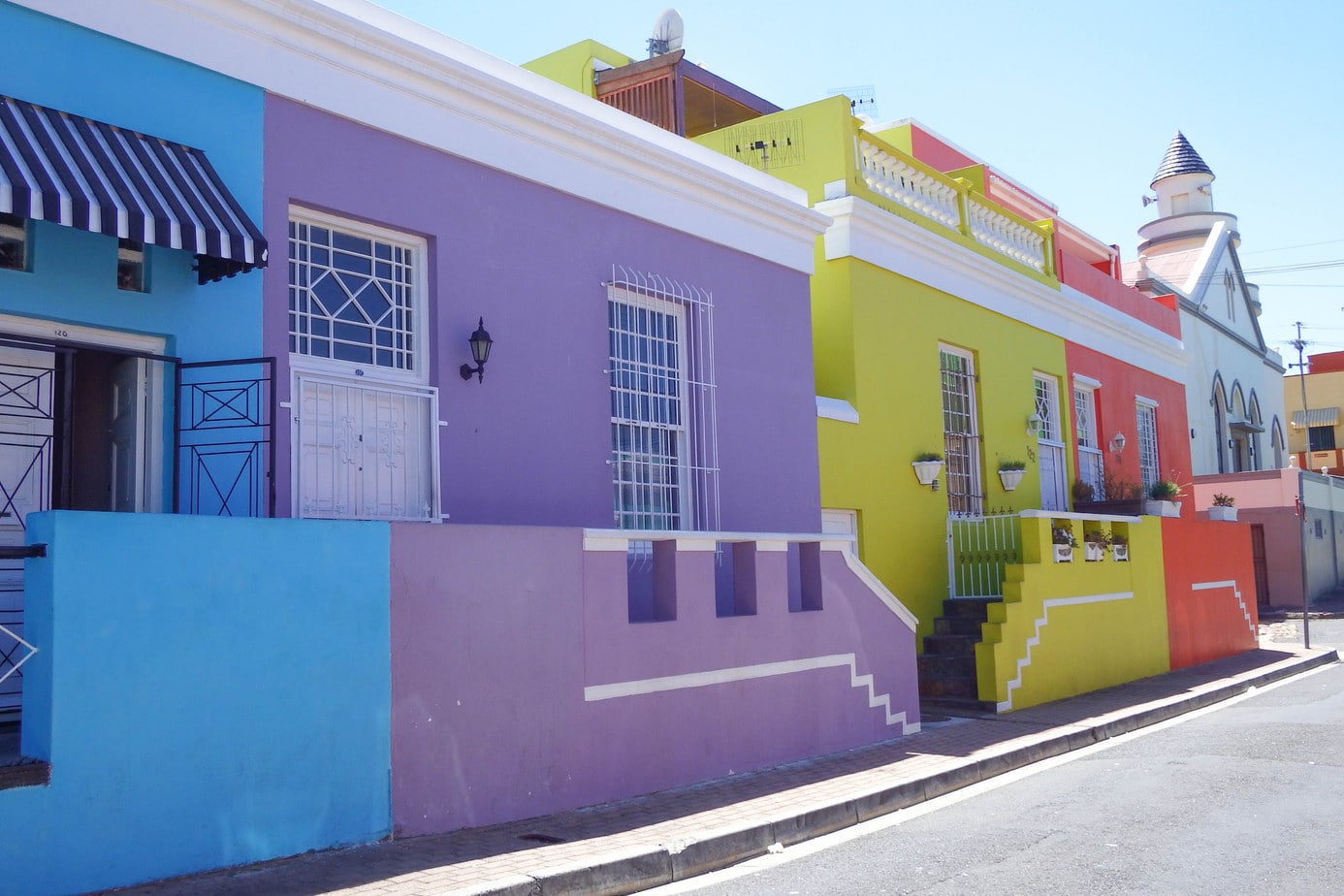
The city’s history is deeply interwoven with its cultural fabric, which is evident in the historic neighbourhood of Bo-Kaap. Renowned for its brightly coloured houses and cobblestone streets, Bo-Kaap offers a glimpse into Cape Town’s multicultural heritage. Originally known as the Malay Quarter, it is a testament to the influence of the Cape Malay community, who were brought to South Africa as slaves during the 17th and 18th centuries. Visitors can delve deeper into this rich history at the Bo-Kaap Museum, which provides insights into the lives of the community’s early inhabitants.

Robben Island, a short ferry ride from the V&A Waterfront, is a powerful symbol of South Africa’s turbulent past and its journey towards reconciliation. This UNESCO World Heritage Site served as a prison for anti-apartheid activists, including Nelson Mandela, who spent 18 years of his 27-year imprisonment on the island. Guided tours, often led by former inmates, offer poignant narratives that underscore the resilience of the human spirit and the enduring quest for freedom and justice.
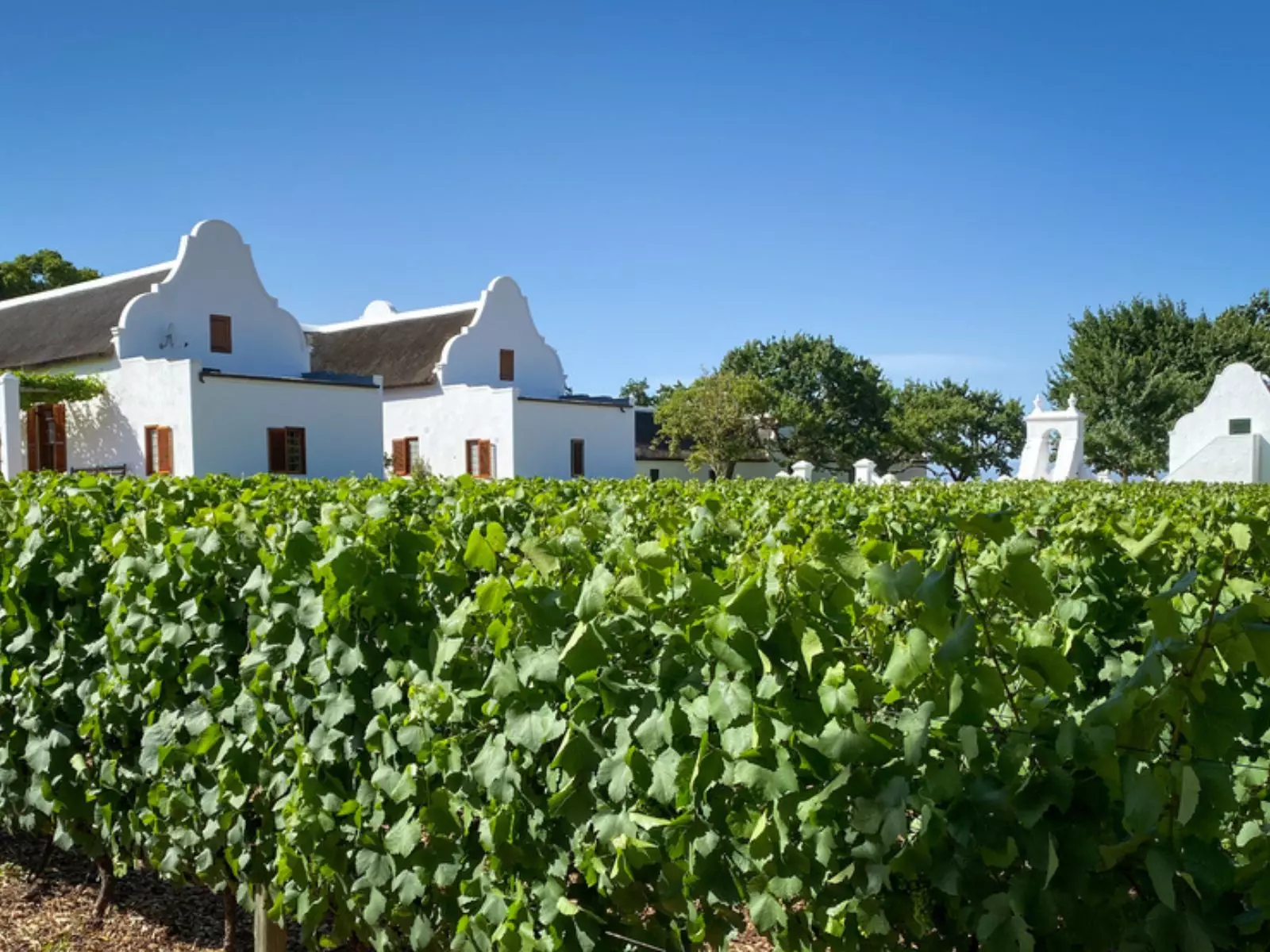
Cape Town’s culinary scene is as diverse as its people, with a rich tapestry of flavours influenced by African, European, and Asian traditions. The city’s wine culture is particularly notable, with the Cape Winelands producing some of the world’s finest wines. A visit to Stellenbosch or Franschhoek, just a short drive from Cape Town, is a must for wine enthusiasts. These picturesque towns, surrounded by rolling vineyards and dramatic mountain ranges, provide a serene escape and a chance to savour the region’s renowned vintages.
The V&A Waterfront is a bustling hub of activity, combining shopping, dining, and entertainment with stunning views of the harbour and Table Mountain. This revitalised historic area is home to a variety of attractions, including the Two Oceans Aquarium and the Zeitz Museum of Contemporary Art Africa (MOCAA), which houses an impressive collection of African contemporary art.
For those seeking a deeper connection with Cape Town’s cultural landscape, a visit to the District Six Museum is highly recommended. The museum tells the story of a once-thriving community that was forcibly removed during apartheid, preserving the memory of its displaced residents and fostering dialogue about the importance of social justice.
Cape Town’s beaches are equally compelling, catering to a wide range of preferences. Clifton and Camps Bay offer a glamorous atmosphere with their pristine sands and turquoise waters, attracting both locals and international visitors. Meanwhile, Muizenberg Beach, with its colourful beach huts and consistent surf, is ideal for families and surfing enthusiasts alike.
No visit to Cape Town would be complete without experiencing the Cape Floral Kingdom, one of the richest areas of plant biodiversity in the world. Kirstenbosch National Botanical Garden, nestled at the foot of Table Mountain, showcases the unique flora of the region and provides a tranquil retreat for nature lovers. The garden’s tree canopy walkway, known as the “Boomslang,” offers a bird’s-eye view of the surrounding forest and mountains.
Cape Town’s vibrant arts and crafts scene is another highlight, with markets such as Greenmarket Square and the Old Biscuit Mill offering an array of handmade goods, from jewellery to textiles. These markets provide an opportunity to support local artisans and take home a piece of Cape Town’s creative spirit.
Safety, while an important consideration for any traveller, should not deter visitors from exploring Cape Town’s myriad offerings. As with any major city, exercising common sense, such as avoiding isolated areas after dark and safeguarding personal belongings, enhances the overall experience.
Cape Town’s charm lies in its ability to offer something for everyone, from adrenaline-pumping outdoor adventures to moments of quiet reflection amidst stunning natural surroundings. Its unique blend of history, culture, and natural beauty ensures that visitors leave with lasting memories and a deeper appreciation for this extraordinary corner of the world.
Cape Town, often referred to as the “Mother City,” is a destination that captivates travellers with its remarkable blend of natural beauty, cultural diversity, and historical significance. Situated at the southwestern tip of Africa, this vibrant city seamlessly combines breathtaking landscapes with a cosmopolitan atmosphere, offering visitors an unforgettable experience.
A visit to Cape Town would be incomplete without exploring Table Mountain, an iconic landmark that dominates the city’s skyline. Accessible via a cableway or for the adventurous, a hike, the mountain provides panoramic views of the city, the surrounding ocean, and the Cape Peninsula. The sight of the mountain draped in its characteristic “tablecloth” of clouds is a quintessential image of Cape Town, one that lives on in the memories of its visitors.
Cape Town’s natural allure extends beyond Table Mountain. The Cape of Good Hope, located within the Cape Point Nature Reserve, is a place of rugged beauty, where dramatic cliffs meet the endless expanse of the Atlantic Ocean. Though often mistaken as the southernmost tip of Africa, the Cape of Good Hope remains a symbolic marker of the convergence of the Atlantic and Indian Oceans. Nearby, the Boulders Beach is home to a colony of endangered African penguins, offering a unique opportunity to observe these charming creatures in their natural habitat.
The city’s history is deeply interwoven with its cultural fabric, which is evident in the historic neighbourhood of Bo-Kaap. Renowned for its brightly coloured houses and cobblestone streets, Bo-Kaap offers a glimpse into Cape Town’s multicultural heritage. Originally known as the Malay Quarter, it is a testament to the influence of the Cape Malay community, who were brought to South Africa as slaves during the 17th and 18th centuries. Visitors can delve deeper into this rich history at the Bo-Kaap Museum, which provides insights into the lives of the community’s early inhabitants.

Robben Island, a short ferry ride from the V&A Waterfront, is a powerful symbol of South Africa’s turbulent past and its journey towards reconciliation. This UNESCO World Heritage Site served as a prison for anti-apartheid activists, including Nelson Mandela, who spent 18 years of his 27-year imprisonment on the island. Guided tours, often led by former inmates, offer poignant narratives that underscore the resilience of the human spirit and the enduring quest for freedom and justice.
Cape Town’s culinary scene is as diverse as its people, with a rich tapestry of flavours influenced by African, European, and Asian traditions. The city’s wine culture is particularly notable, with the Cape Winelands producing some of the world’s finest wines. A visit to Stellenbosch or Franschhoek, just a short drive from Cape Town, is a must for wine enthusiasts. These picturesque towns, surrounded by rolling vineyards and dramatic mountain ranges, provide a serene escape and a chance to savour the region’s renowned vintages.
The V&A Waterfront is a bustling hub of activity, combining shopping, dining, and entertainment with stunning views of the harbour and Table Mountain. This revitalised historic area is home to a variety of attractions, including the Two Oceans Aquarium and the Zeitz Museum of Contemporary Art Africa (MOCAA), which houses an impressive collection of African contemporary art.
For those seeking a deeper connection with Cape Town’s cultural landscape, a visit to the District Six Museum is highly recommended. The museum tells the story of a once-thriving community that was forcibly removed during apartheid, preserving the memory of its displaced residents and fostering dialogue about the importance of social justice.
Cape Town’s beaches are equally compelling, catering to a wide range of preferences. Clifton and Camps Bay offer a glamorous atmosphere with their pristine sands and turquoise waters, attracting both locals and international visitors. Meanwhile, Muizenberg Beach, with its colourful beach huts and consistent surf, is ideal for families and surfing enthusiasts alike.
No visit to Cape Town would be complete without experiencing the Cape Floral Kingdom, one of the richest areas of plant biodiversity in the world. Kirstenbosch National Botanical Garden, nestled at the foot of Table Mountain, showcases the unique flora of the region and provides a tranquil retreat for nature lovers. The garden’s tree canopy walkway, known as the “Boomslang,” offers a bird’s-eye view of the surrounding forest and mountains.
Cape Town’s vibrant arts and crafts scene is another highlight, with markets such as Greenmarket Square and the Old Biscuit Mill offering an array of handmade goods, from jewellery to textiles. These markets provide an opportunity to support local artisans and take home a piece of Cape Town’s creative spirit.
Safety, while an important consideration for any traveller, should not deter visitors from exploring Cape Town’s myriad offerings. As with any major city, exercising common sense, such as avoiding isolated areas after dark and safeguarding personal belongings, enhances the overall experience.
Cape Town’s charm lies in its ability to offer something for everyone, from adrenaline-pumping outdoor adventures to moments of quiet reflection amidst stunning natural surroundings. Its unique blend of history, culture, and natural beauty ensures that visitors leave with lasting memories and a deeper appreciation for this extraordinary corner of the world.